WMA’s February Highlights!
As February unfolds, we’re reminded of the ever-changing challenges and opportunities that come with practicing medicine in the great outdoors. Whether you’re navigating winter landscapes, preparing for upcoming expeditions, or honing your wilderness medicine skills. Read on to discover how you can turn your WFR into an EMR certification, learn about a new pain management option for EMS and SAR operations, and engage in part three of our case study.
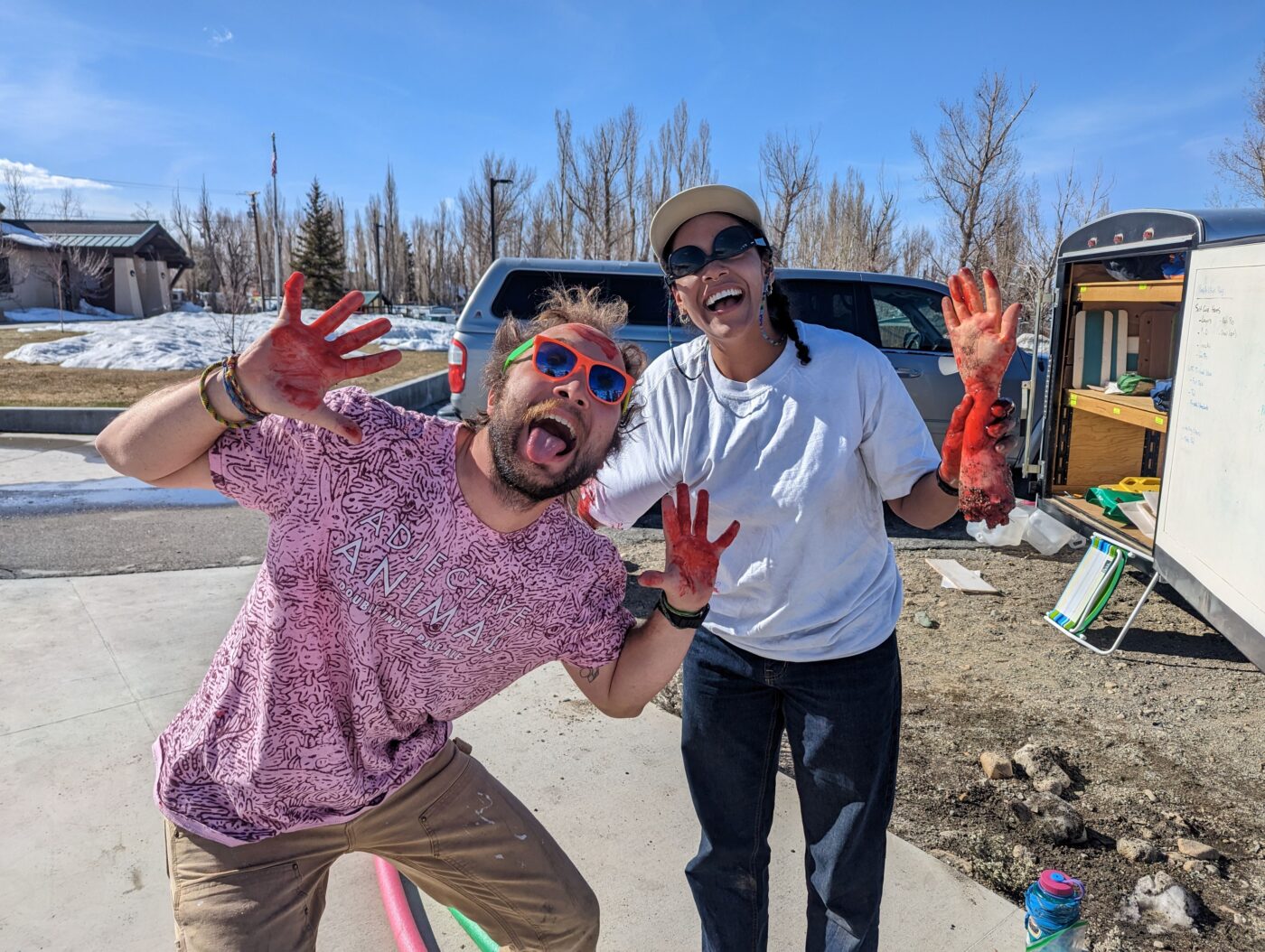
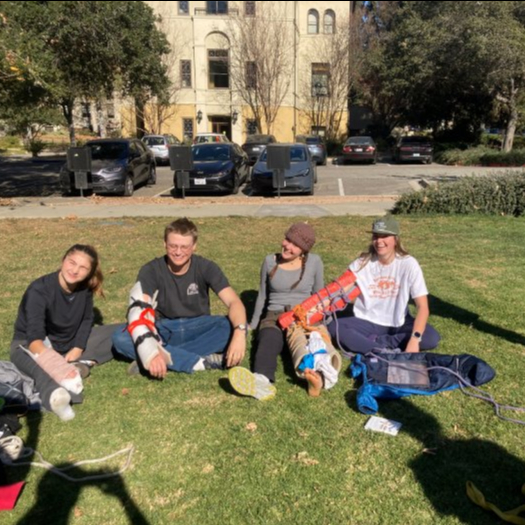
Students from a recent Hybrid WFR in Mammoth Lakes!
COURSE SPOTLIGHT: HAPPENING SOON
Bridge the Gap: WFR to EMR Certification
Large subheading or call-out here
The UCSF Fresno Parkmedic Program offers a free online course that allows certified Wilderness First Responders from WMA to qualify for the U.S. National Registry Emergency Medical Responder (EMR) exam. This dual certification is increasingly essential for professionals in state and national parks, wildland firefighting, and other outdoor emergency roles. The process includes verifying your current WMA WFR certification, completing an online application, and gaining access to the transition modules. For more details and step-by-step instructions, visit the UCSF Fresno Parkmedic Program website.
INDUSTRY NEWS
From the Medical Director’s Desk
Dr. Will Smith, Medical Director of WMA, co-authored a study investigating the use of sublingual sufentanil tablets (SST) for analgesia in emergency medical services (EMS) and search and rescue (SAR) operations. The study assessed the efficacy and safety of SST in prehospital settings, hypothesizing that its use would effectively reduce pain while maintaining an acceptable safety profile (1).
The study included 64 patients treated between 2021 and 2023 by Teton County Search and Rescue, Grand Teton National Park EMS, and Jackson Hole Fire/EMS. Patients under 18 years of age and those with significant trauma were excluded. Pain management was evaluated by treating patients with an SST, a fast-acting opioid, and comparing outcomes with those treated using intravenous (IV) or intramuscular (IM) opioids.
Results demonstrated a reduction in mean pain scores from 8.0 to 5.5. Changes in heart rate and systolic blood pressure, while statistically significant, were deemed clinically safe. No cases of respiratory distress or the need for corrective interventions were reported following SST administration. The findings suggest that SST represents a significant advancement in pain management for EMS and SAR teams operating in austere environments where traditional opioid administration methods may be impractical.
1. McWilliams HA, Fell L, Wheeler AM, Awad E, Wheeler AR III, Smith WR, McIntosh SE. Sublingual sufentanil tablet for analgesia in emergency medical services and search and rescue agencies. Prehosp Emerg Care. 2024;just-accepted:1-10. doi: 10.1080/10903127.2024.2431579.
CASE STUDY PART THREE
Avalanche
We’ve attempted to present this case study about a skier injured in an avalanche in a manner that is applicable to providers at all levels. As a result, we eliminated some of the hazards and more complex logistical challenges that were encountered to allow readers to focus on the medicine. This case, however, presents some really interesting hazards and reflections regarding risk management and decision-making that are often inherent to wilderness and remote medicine. The full case study is far too much to include in this format, so we invite you to click here to read the detailed case study in its entirety followed by a discussion about the risk management and judgment and decision-making involved in the rescue.
Once you have reviewed the discussion, please share your thoughts with us on Facebook or Instagram.
Let’s continue to #FaceAnyChallengeAnywhere by refreshing our knowledge and skills!
(Case submitted by Jeff Isaac, PA-C)
Live from the Wild
The latest shares from WMA International students and instructors!
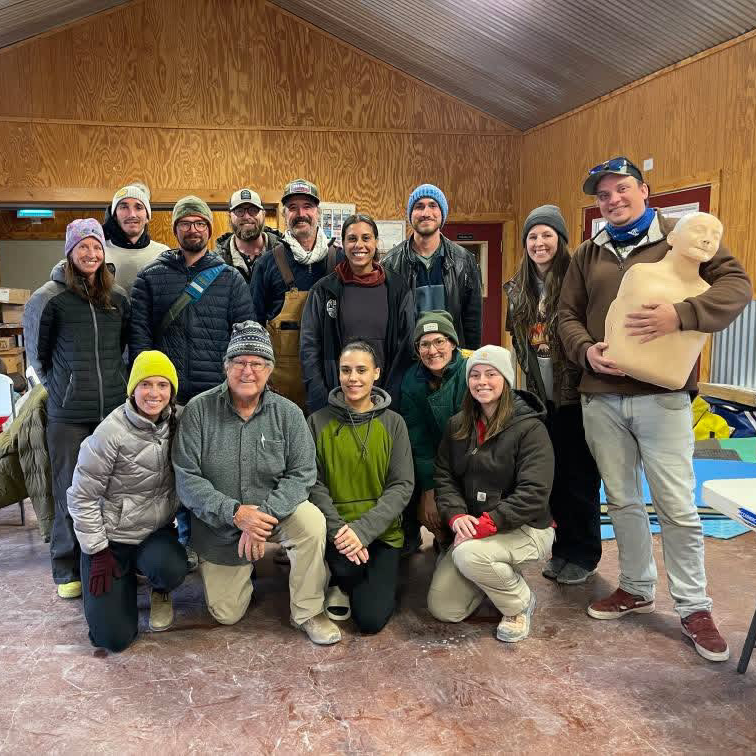
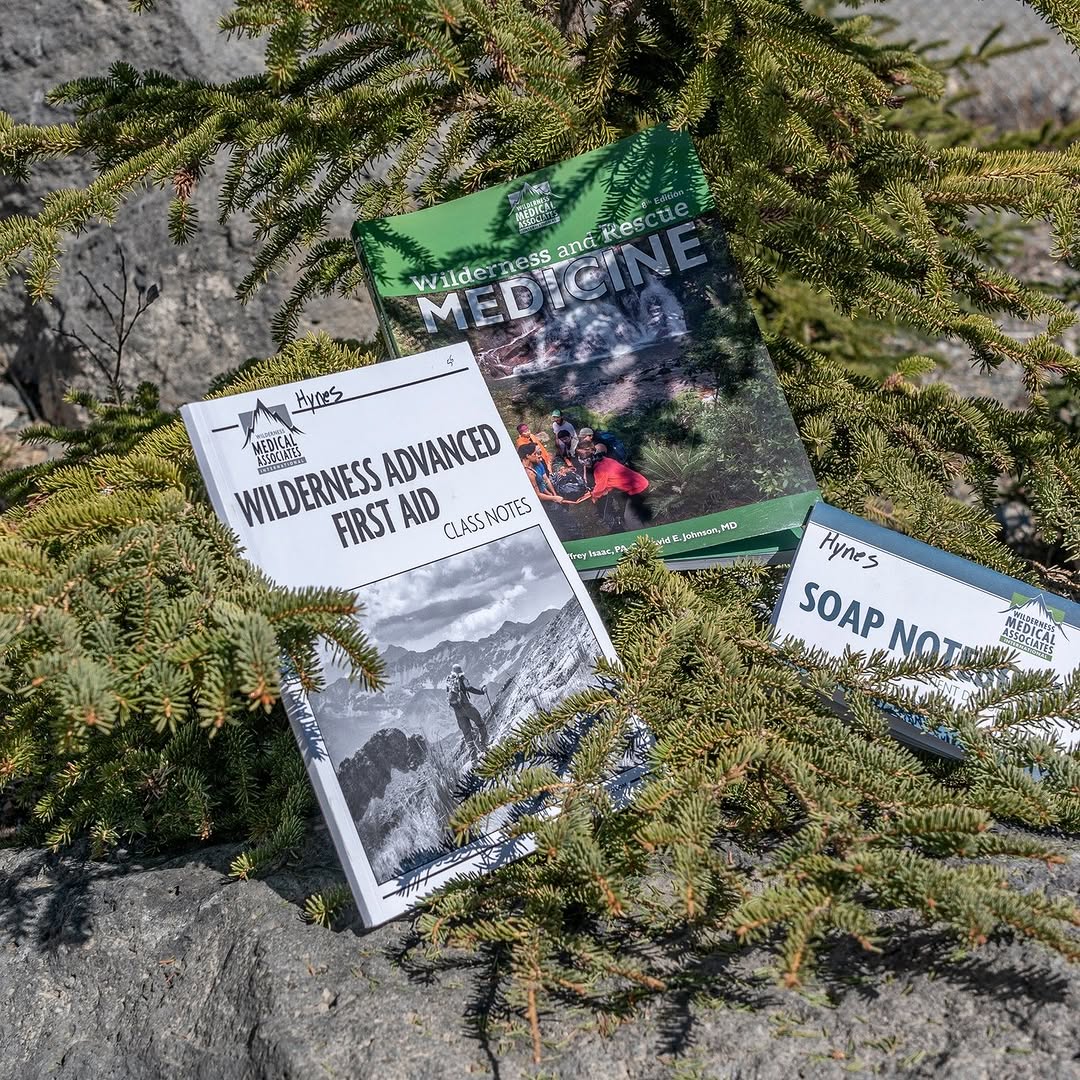
Send us photos from your course!
We’d love to see the behind-the-scenes of your experience.
