June is Great Outdoors Month

The days are longer, the nights are warmer, and the wilderness is calling. It’s the perfect time of year for epic hikes, thrilling river trips, or relaxing camping adventures. Our top-notch wilderness medical training courses offer the knowledge and skills you need to handle any situation, all in breathtaking locations.
Live from the Wild
Spotted during recent WMA courses.
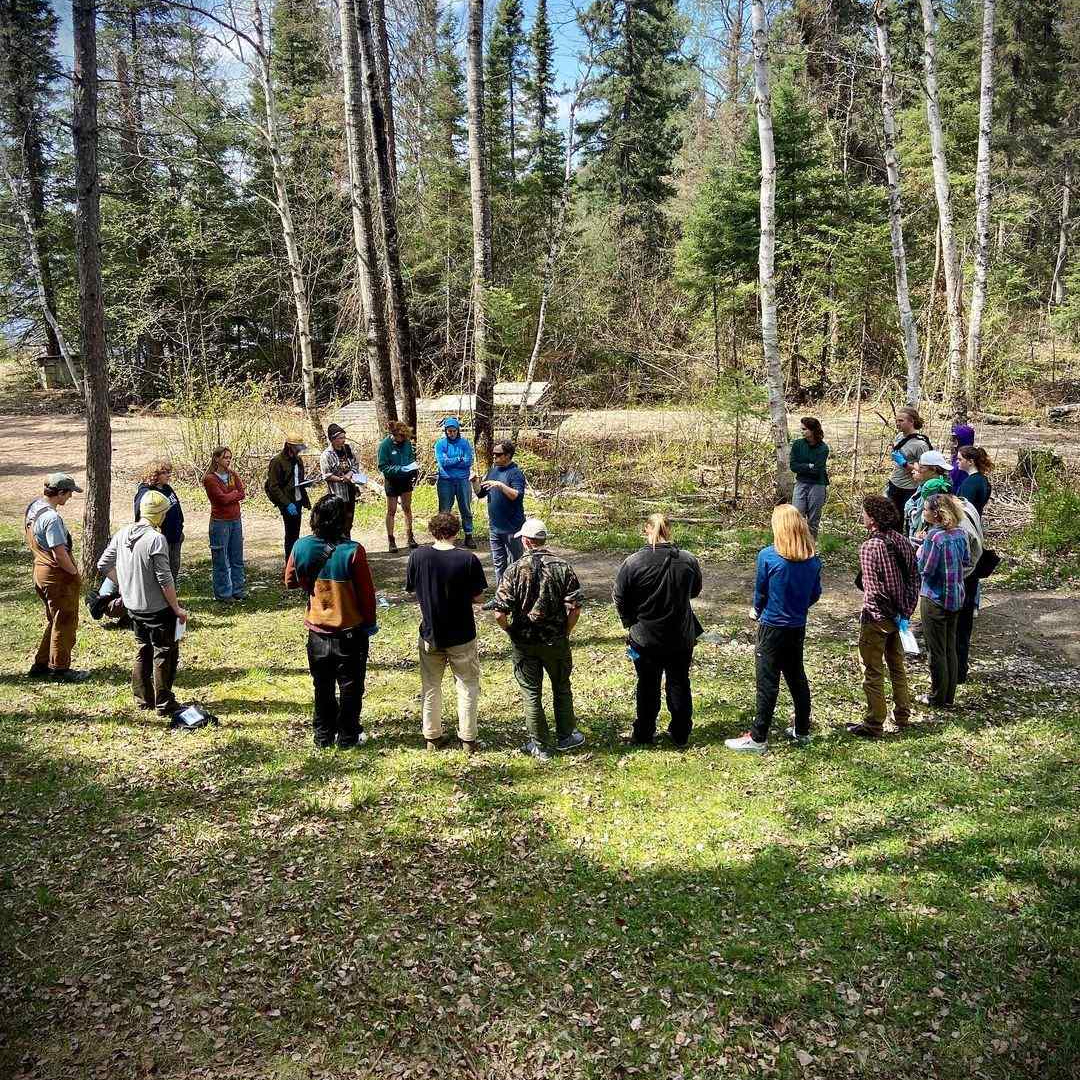
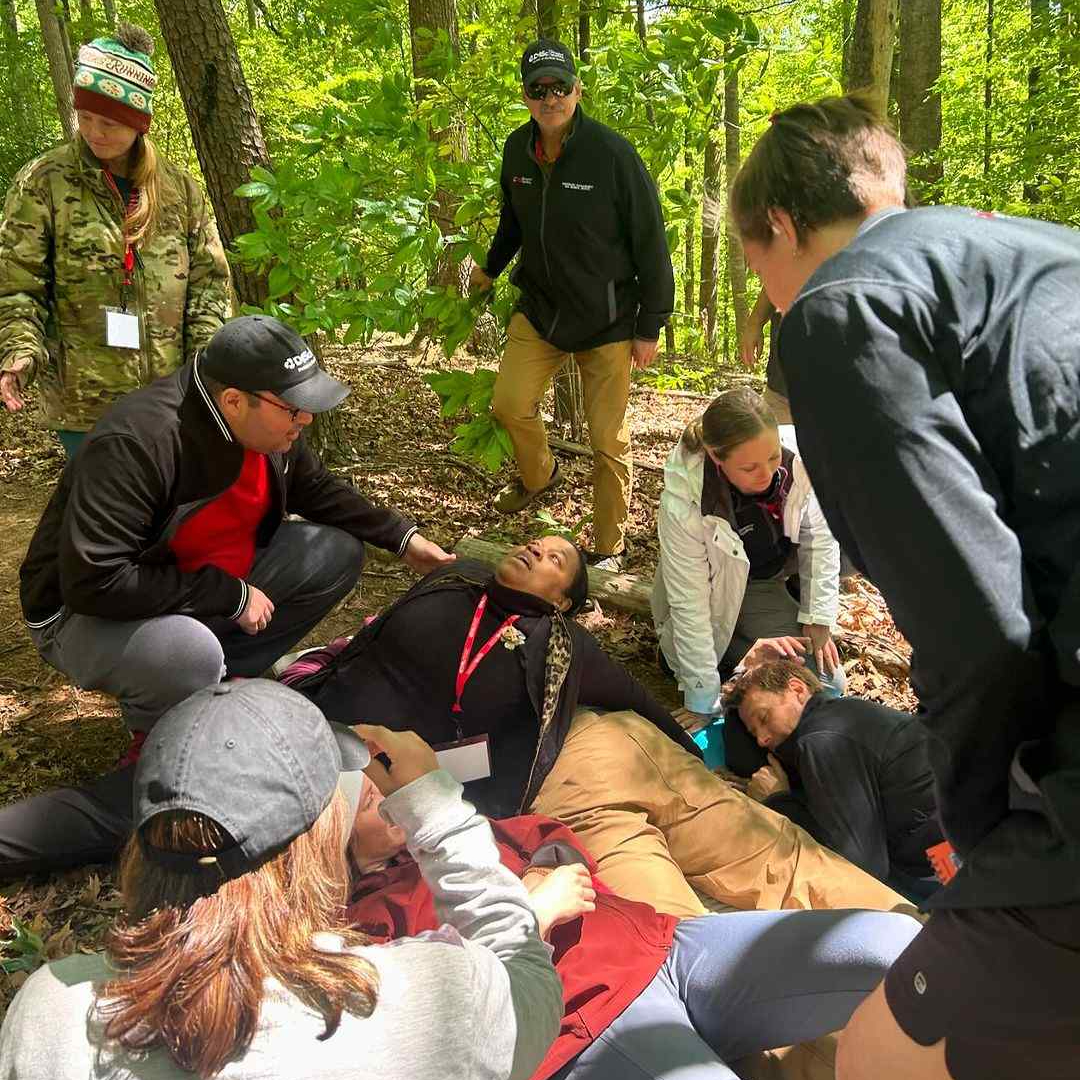
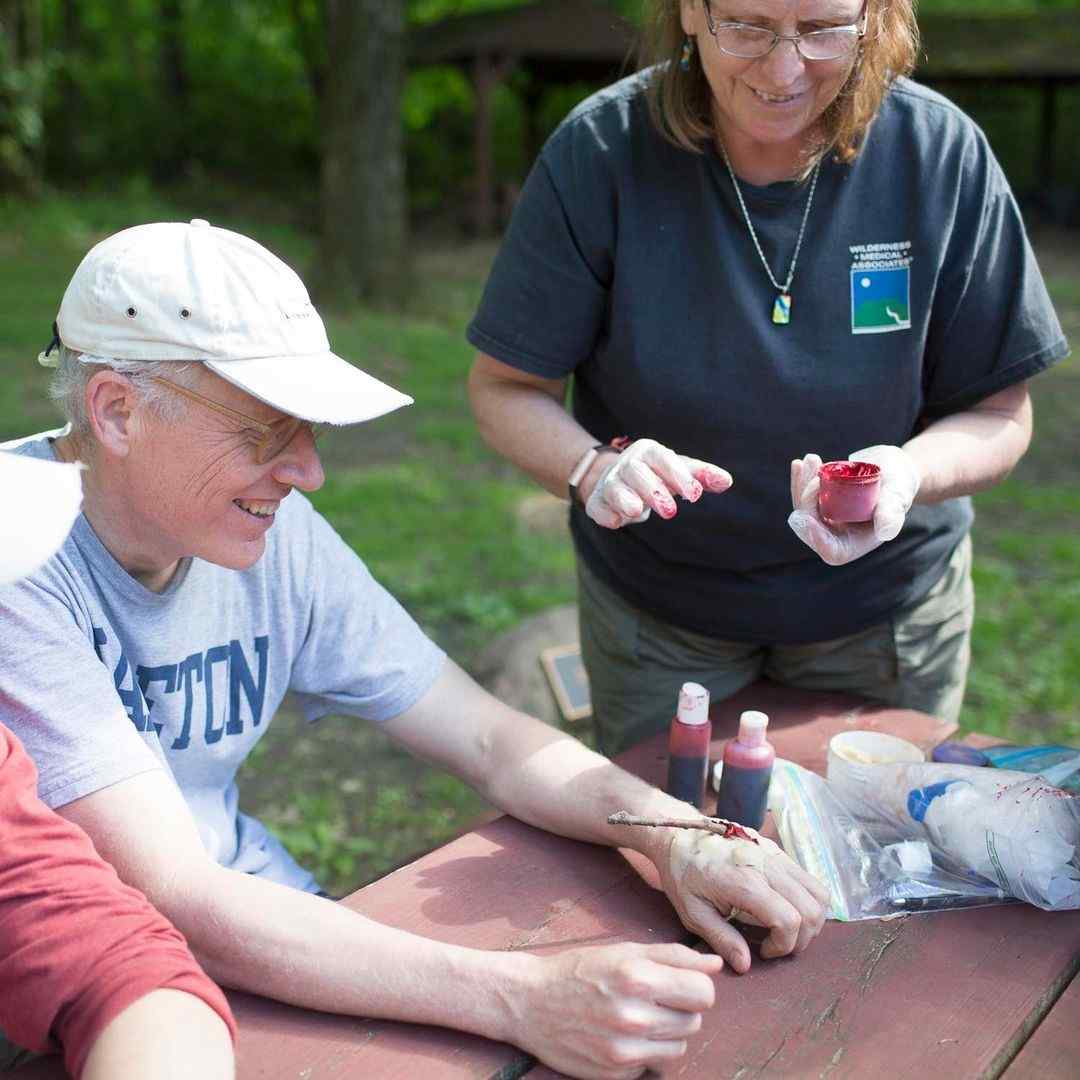
Send us photos from your course!
We’d love to see the behind-the-scenes of your experience.
COURSE SPOTLIGHT
An Impactful WFR & USCG Collaborative Training
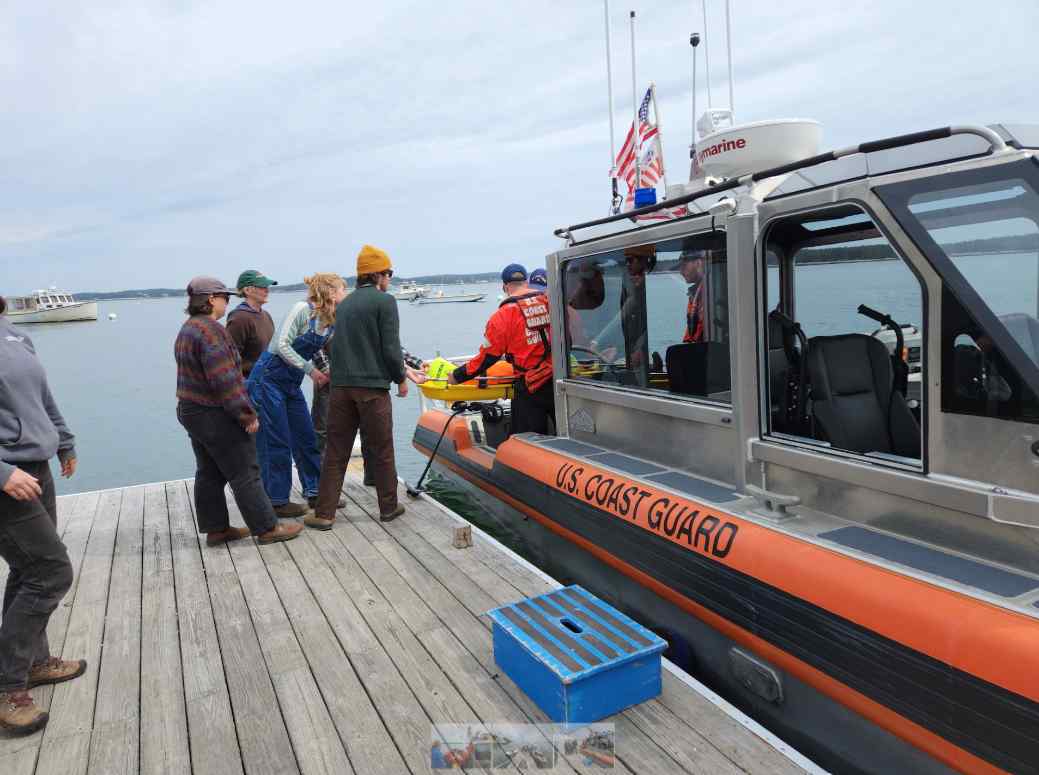
“We heard you were doing a Wilderness First Responder training over on Hurricane Island” said BM3 Ethan Cantin of the US Coast Guard based out of Rockland, ME. “We were wondering if you would want to do some training together.” This conversation began a collaboration between the US Coast Guard and Sarah Adelberg and Cecily Swinburne’s WFR class.
After brainstorming and some quick legal work from Luke at WMA HQ, the teams planned a joint training. The WMA crew hadn’t been to Hurricane Island in Penobscot Bay, Maine before and used this opportunity to familiarize themselves with the shoreline and docks before the students arrived.
Following days of learning the basics, the final simulation and USCG collaboration took place on day five of the course. Students secured the patient in a litter and then took a “time out” to practice a radio SOAP technique. “We are calling from the Ice Pond on Hurricane Island with a 25-year-old female in decompensated volume shock secondary to internal bleeding from an unstable pelvis…” began Will Galloway, WFR student. Cantin responded swiftly with “Sure, we can meet you with a boat at the main pier in 15 minutes.” The class applauded in enthusiasm.
With some careful consideration, the students executed a successful and swift carry-out to the vessel and transferred care to the USCG. At the pier, the USCG team brought out a life-sized rescue dummy for practice. Students toured the boat and discussed logistics with the crew. Due to the height of the railing, the narrowness of the entry point onto the vessel, and the fact that the vessel was moving, the group realized that loading a patient onto the vessel was much more difficult than anticipated, making them grateful for the practice before a real emergency.
These WFR students, who were mostly staff at the Hurricane Island Center for Science and leadership, would likely be first on scene during a real island emergency. Cantin’s crew and boat would likely be the ones to respond. This training exercise offered immersive training to the people who would be collaborating in a situation, making them more familiar with not only the steps to take but the people they would take them with.
Collaborations like this deepen our community and enhance patient safety. Ethan Cantin, Sarah Adelberg, and Cecily Swinburne are already planning more opportunities to help his crew and future WFR students gain real-life application of their skills.
From Our Graduates
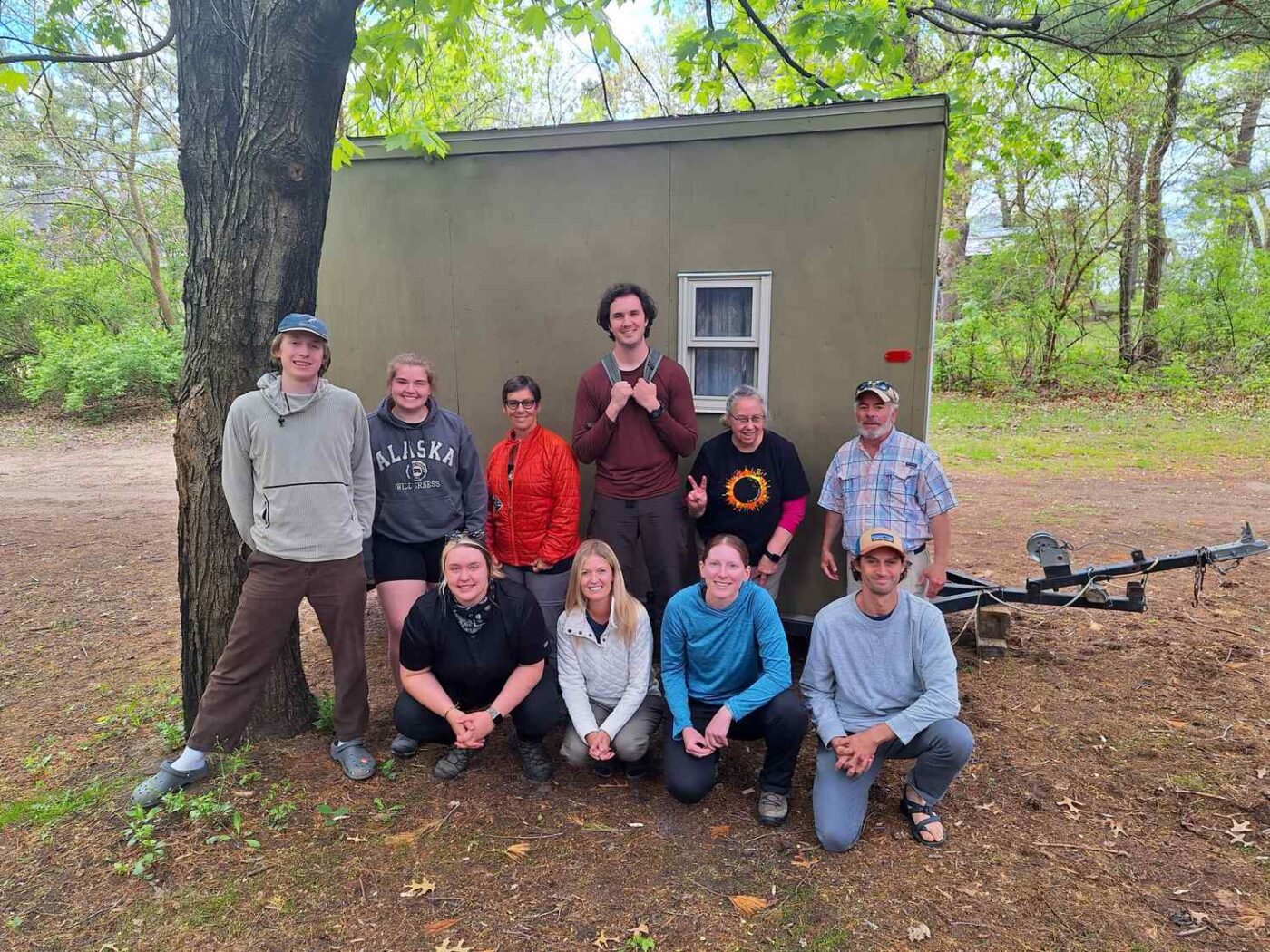
“When I get home, I’m thinking about the next hike with friends, the next backpacking trip, the next vacation, and going over scenarios and rescues. But I also know that even though we were trained for remote locations, all the accidents and illnesses we prepared for could just as easily happen at home.
I vow to be more careful. I vow to do the best in any rescue situation.”
– YMCA Camp Pepin WFR Course Student
