Celebrating Another Year of Learning!
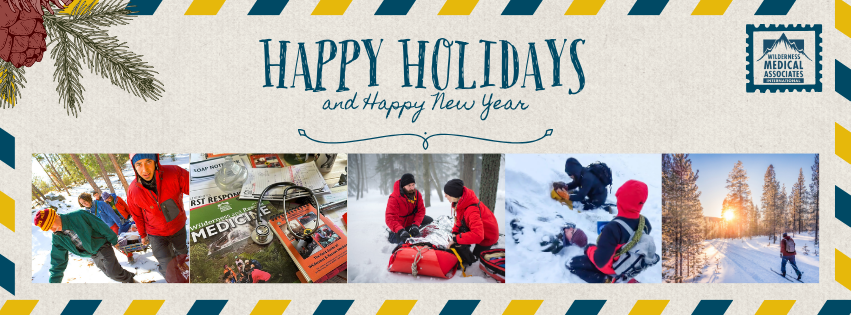
Thank you to everyone who made 2025 great! We look forward to continuing to serve our students and elevate the field of wilderness medicine in 2026!
“As I mark my fifth year as owner of WMA International, I’m grateful for all we’ve achieved together. In 2025, we welcomed 13 new instructors to our global teaching team, expanded the number of Wilderness First Aid and Wilderness Advanced First Aid courses, and introduced a new optional seventh protocol for pain management, including the use of methoxyflurane. We also strengthened our curriculum by updating the behavioral and psychological first aid module, now required across all course levels. With nearly 12,000 students expected this year—matching last year’s record enrollment—our growth reflects the passion of this remarkable community of instructors and the commitment of students who continue to choose WMA International for their training. Thank you for your loyalty and support. We look forward to advancing wilderness medicine together in 2026!”
-Abby Rowe (President)
Course Highlight
Your Next Adventure: Wilderness First Responder in Costa Rica
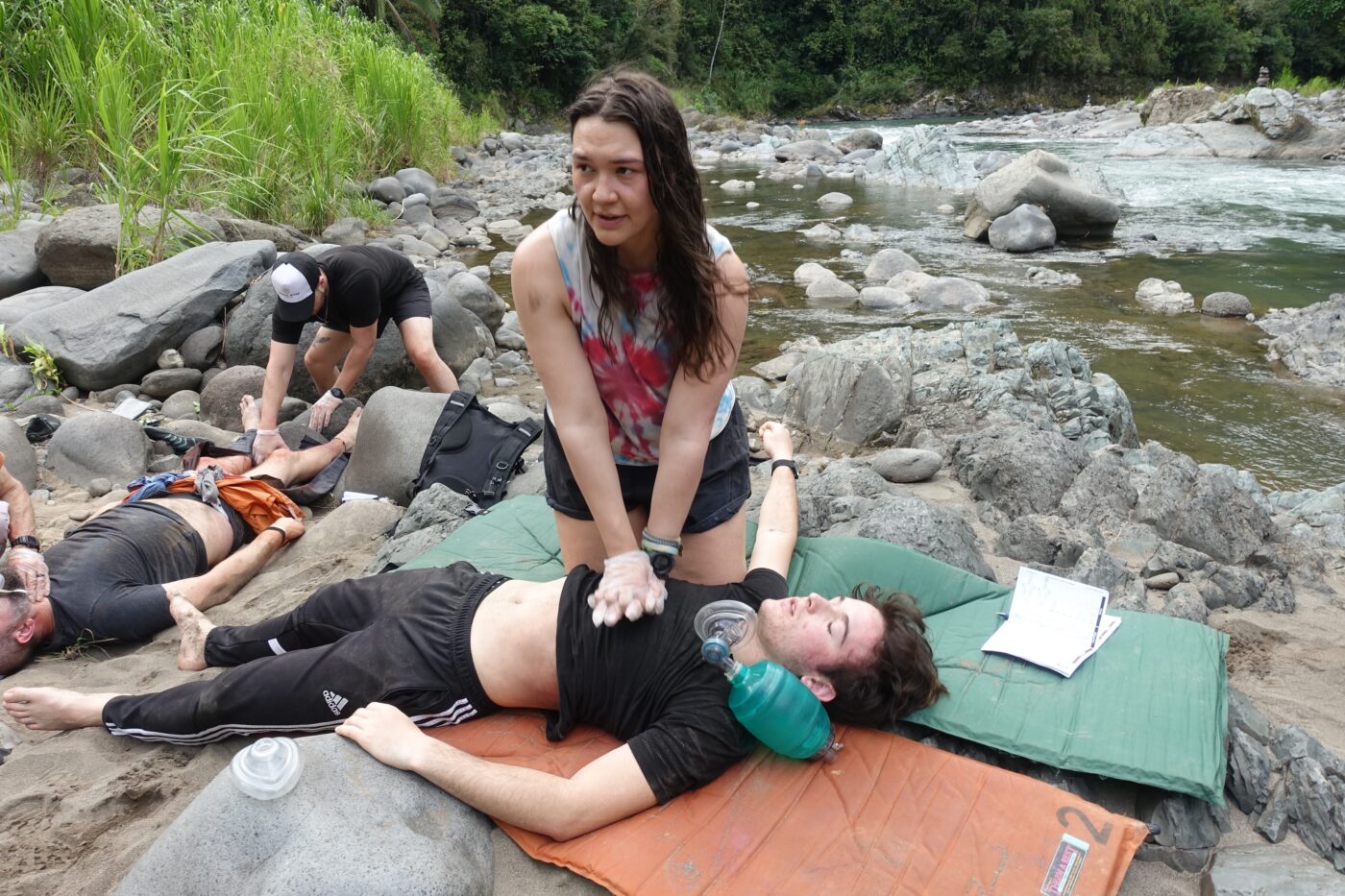
If you’ve ever dreamed of pairing world-class wilderness medical training with an unforgettable adventure, this month’s spotlight is for you!
Facilitated by Boreal River Rescue, this Hybrid Wilderness First Responder course in Costa Rica drops you into a remote, riverside eco-camp, one of the most unique learning environments you can get.
Over seven days, you’ll refine your WFR skills while living in the rainforest, enjoying comfortable lodging, delicious meals, and traveling to and from camp via guided, beginner-friendly rafting. No rafting experience required, just a sense of adventure and the ability to hike on uneven terrain.
New for 2026: This year’s course features an added layer of tropical immersion. Participants will have the chance to explore rainforest ecology with local biologist Ana Beatriz, who will lead:
- An optional night hike after dinner. Spotting nocturnal flora and fauna by moonlight (and headlamp).
- A rainforest toxins lecture integrated into the WFR curriculum.
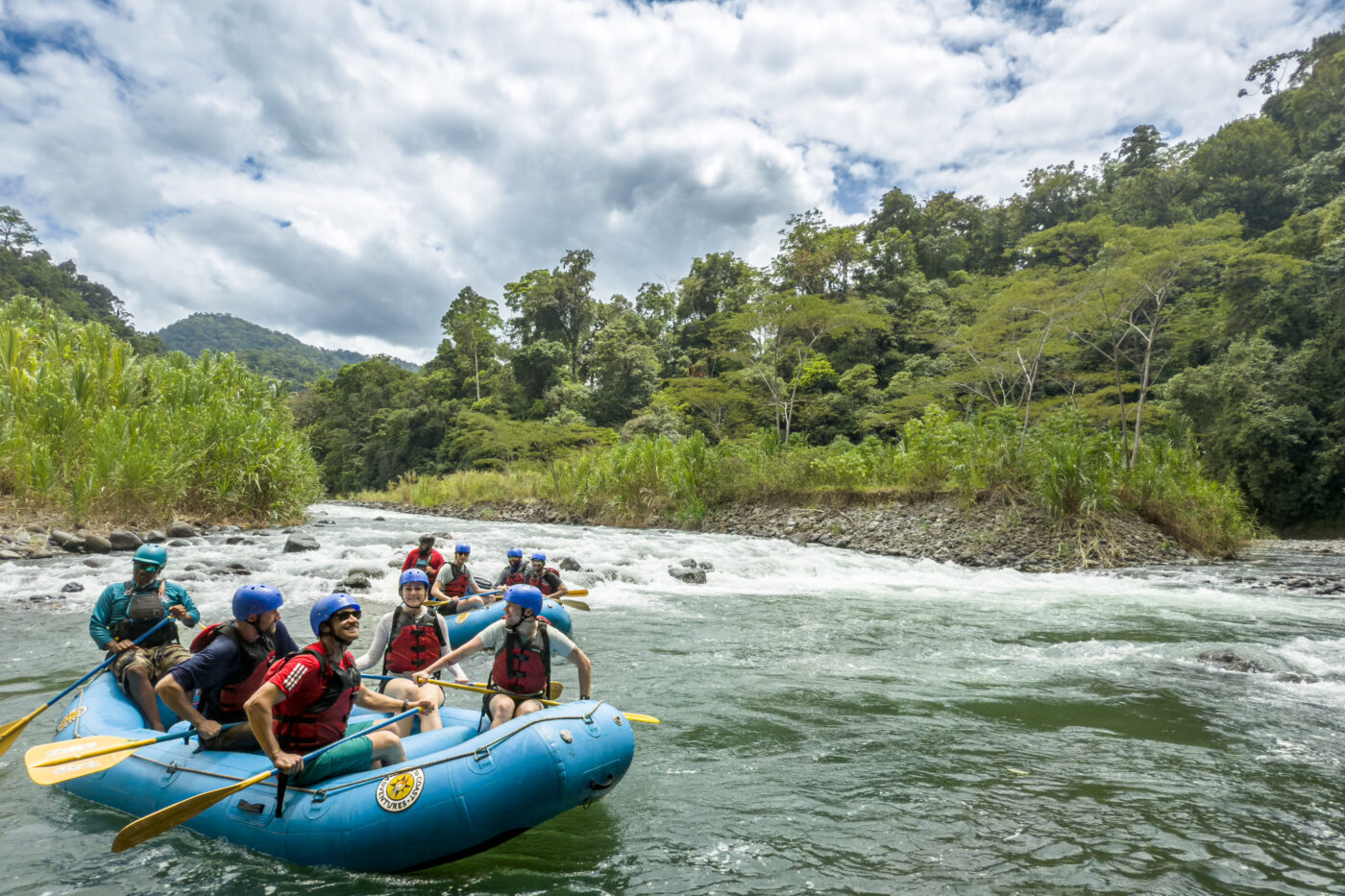
It’s a rare chance to learn wilderness medicine and tropical natural history side by side with a passionate local expert.
For 12 years, this course has drawn students from around the world who want hands-on training in a truly wild setting.
See full details and reviews on the Boreal River Rescue course page!
Gifts That Go Beyond the Holidays
This year, give your loved ones something that lasts far beyond the holidays, a gift that inspires confidence, builds skills, and supports safer adventures in the outdoors.
Check out our online Book Store where you’ll find essential resources for anyone committed to leadership and safety in remote settings. We encourage you to shop early and wrap up a gift that empowers the people you care about because knowledge, readiness, and wilderness confidence never go out of season.
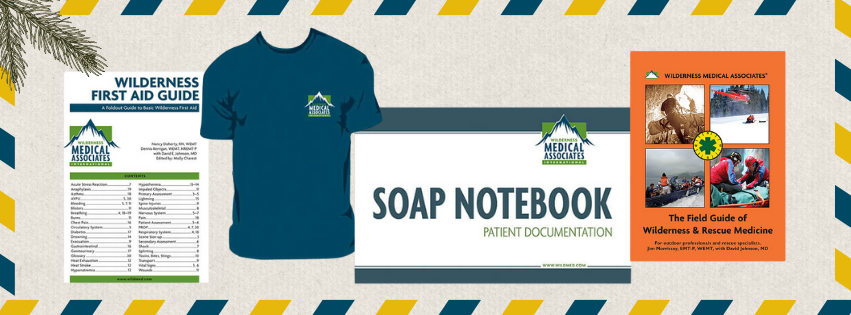
If you’re planning to order Book Store items for holiday delivery, please keep USPS shipping deadlines in mind. To ensure your gifts arrive by December 25th, place your order by:
• December 17 — USPS Ground Advantage®
• December 18 — USPS Priority Mail®
• December 20 — USPS Priority Mail Express®
Whether you’re shopping for a seasoned instructor, a backcountry traveler, or someone just beginning their wilderness medicine journey, you’ll find meaningful options in our Book Store that truly make an impact.
Live from the Wild
The latest shares from WMA International students & instructors!
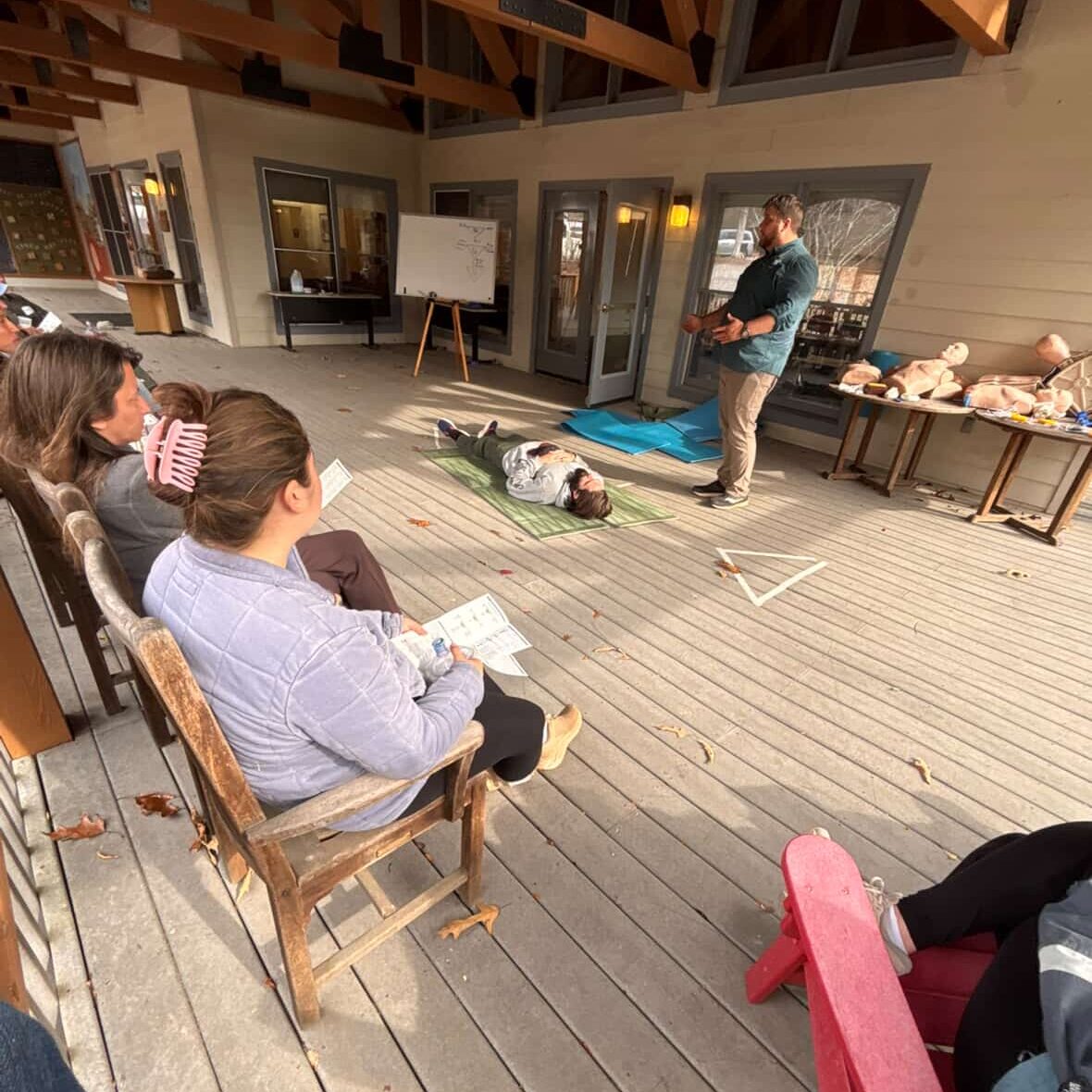
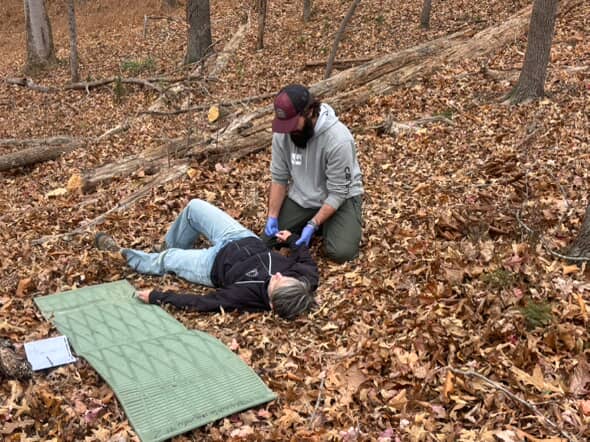
Wilderness First Aid class demonstration during course in Bedford, VA by Dynamic Wilderness Education. Photos submitted by Tim Slusser.
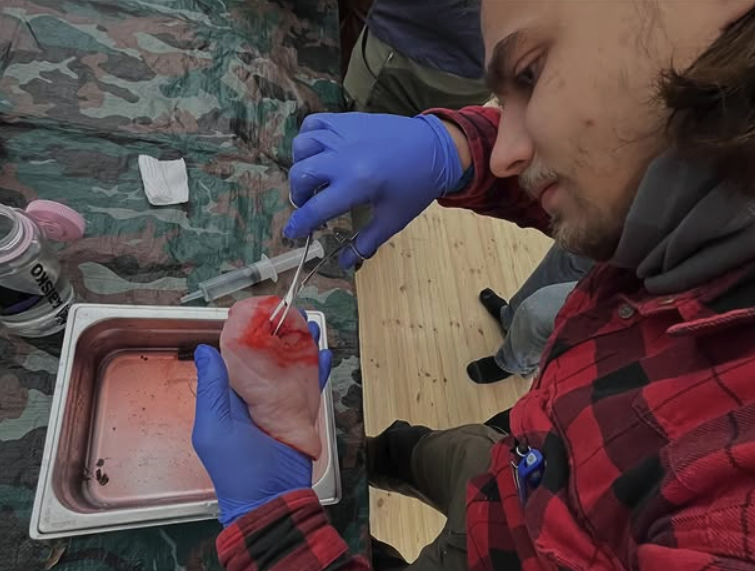
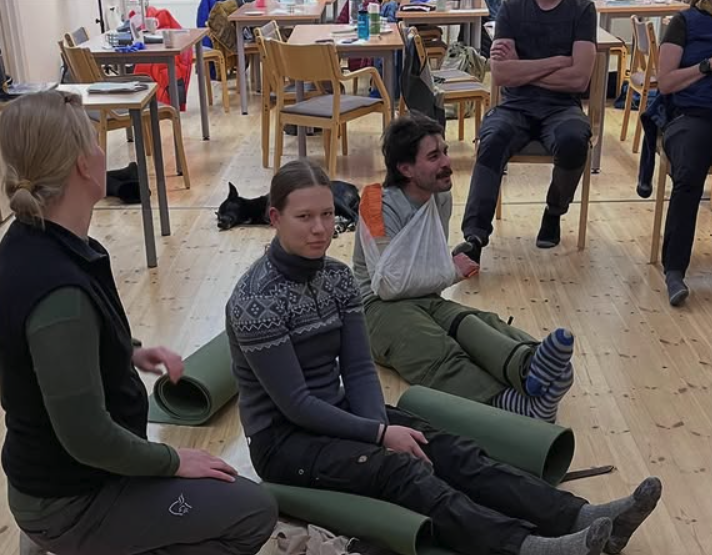
Hybrid Wilderness First Responder course instructed by Erik Forsythe, facilitated by Outdoor Academy Finland. Photo submitted by student, Hannes Mårtensson, who said “During the course we learned all the essential measures within wilderness rescue and medicine. Super grateful to have been able to take this course”
Case Study
Winter Solstice Skier Case Study Part 1
It is winter solstice. You and three friends are settling into your backcountry hut after a short, but unbelievable day of backcountry skiing and snowboarding in Alberta (elevation: 1430m/ 4690’). The weather has been clear and cold enough (-12C/ 10F) for a few days now, making for great powder and conditions all around.
As folks hang gear to dry and get out supplies for hot drinks, you hear boots stepping on the porch- your group is here, so this must be other folks using the hut. You wonder if you already put your sleeping bag on the bunk you wanted to grab, and then the door opens. A concerned woman peeks in and says, “I need help for my friend. She’s cold and she isn’t making sense anymore. She could only ski to the trees over there before she sat down. Can someone come help her, please?”
Your friends agree to help and immediately nominate you as the field medical provider, based on your training. You ask about the situation as you ski out. You learn that the friend, Dara, had a rough day cross-country skiing. “She just kept losing her balance,” and “she said she just couldn’t get going or get warm.” She denied any high-velocity or concerning falls. “Mostly she just kept leaning out of the tracks.” You ask about medications, allergies, medical history, or anything else that might help you treat her, but the friend says, “I don’t think there’s anything, really. I know she’s been watching what she eats to try and lose weight, but that’s about it. She ate a protein bar this morning. Maybe she has to take a pill for thyroid, I think.”
Just a ten-minute ski away from the hut, you find the person- about 50 years old, dressed in ski clothes and sitting in the snow, shivering vigorously. She slowly looks up at you as you approach, but doesn’t really say anything.
Your scene size-up so far:
Risk: cold weather, impending darkness, safe to approach the patient
MOI: medical and environmental seem the most likely, but you are open to any findings that might suggest trauma
Numbers: 1 patient, 5 rescuers, 1 hut nearby
You introduce yourself and ask Dara for permission to help her, and she nods. You can see that she is breathing quickly, but with adequate depth. You ask her if she had any big falls and she mumbles “no, not big.” You ask her if you can check for bleeding, and she nods.
Your primary assessment so far:
Airway, breathing: no concerns
Pulse, severe bleeding: no concerns
AVPU, spine: awake but speech is mumbled, and patient is slow to respond; spine- no concerns
You start thinking about STOPEATS as causes for altered mental status.
For the secondary assessment, you decide to start with a brief physical exam. Dara denies pain, but mumbles “my hands don’t work. My feet don’t feel.” Her speech is slurred and difficult to understand. You attempt to perform a BE FAST stroke exam, but it is difficult to get a reliable assessment with the shivering and difficulty following commands. You find Dara’s hydration pack and ask if she can take sips of water if you help her, which she can do. One of your friends has an energy gel packet, and you patiently support Dara while she swallows most of it. Dara’s pulse is 92, respirations seem to be 18, and skin is cool and sweaty. You realize you haven’t asked Dara her SAMPLE history directly yet. You relay the information from the friend, and Dara nods in agreement. “Anything else?” you ask her, and she mumbles “no.”
You decide to use the team gear sled to get Dara to the hut. One friend goes ahead to get hot drinks ready – “something with lots of sugar!” you request, and two friends ski her to the hut and help her stumble inside.
Once inside, you notice that Dara’s layers were wetter than you realized, and you get a sleeping bag for her while her friend helps her out of the wet layers. Dara continues to shiver profoundly, and you ask the friend to help her slowly sip lukewarm sugary apple cider. As you think about next steps, you notice that Dara’s fingers are grey and waxy-appearing. You are still concerned about all the potential STOPEATS:
Sugar: she probably has low blood sugar
Temperature: she has mild hypothermia
Oxygen: you don’t think low oxygen was a factor, but you cannot perform a full BE FAST exam yet for stroke. While watching her take sips of cider, you notice that she lifts both hands to reach for the mug, which is reassuring.
Pressure: ^ ICP cannot be ruled out
Electricity: no history of seizures or report of seizure-like activity
Altitude: not a factor
Toxins: unknown, friend denies anything
Salts: hyponatremia is not likely
Someone hands you a satellite device and asks if you want to use it to call for help.
What do you think? Is this serious or not serious? Drop your thoughts in the comments section of this Case Study on our Facebook or Instagram. Stay tuned on those platforms for the next part of the assessment and follow-up discussion!
Send us photos from your course!
We’d love to see the behind-the-scenes of your experience.
