Springing Into Action
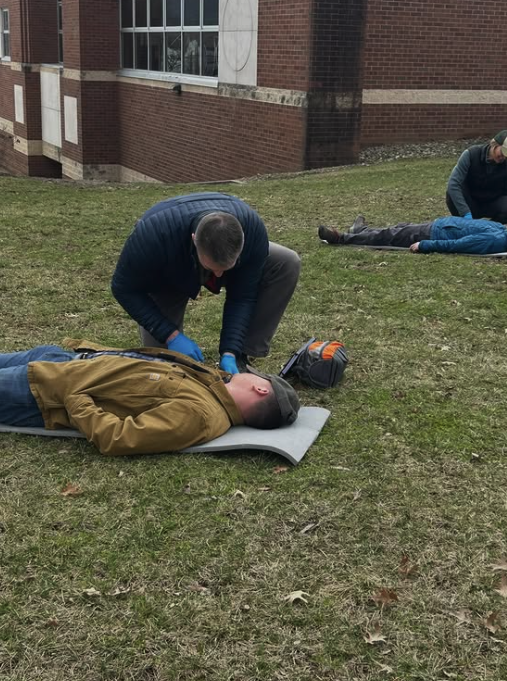
Spring is here, and with it comes longer days, bigger adventures, and the urge to get back out in the wild. It’s the time of year for new growth—whether you’re planning your first backcountry trip of the season or gearing up for a summer of guiding, leading, or exploring. In this month’s newsletter we’re spotlighting five opportunities to earn your Wilderness First Responder certification this May, sharing important updates to CPR guidelines, and offering key information for former Adventure Med students navigating next steps.
Course Highlight
Five 5-Day WFRs This May!
When you’re days from the trailhead and something goes wrong, EMS is not minutes away. The Wilderness First Responder certification prepares you for exactly that moment and this May, there are five opportunities to earn it in 5 Days!
The 5-Day WFR combines more than 30 hours of pre-course study with 45+ hours of immersive in-person training. The curriculum covers patient assessment, environmental medicine, traumatic injury, backcountry medical problems, CPR and AED use, bleeding control, splinting, spine packaging, and WMA International’s protocols for conditions like anaphylaxis, severe asthma, and dislocations. It’s a rigorous, pass/fail course and a credential that’s valid for three years.
• New London, Connecticut (May 18–22, $800) | Facilitated by: Healing All Wounds, LLC
• Boulder, Colorado (May 20–24, $900) | Facilitated by: Global Emergency Medics
• West Glacier, Montana (May 25–29, $695) | Facilitated by: Crane Marsh Wilderness Medicine, LLC
Registration must be completed four to six weeks before your course date to allow time for pre-course work. Visit wildmed.com to review requirements and reserve your spot.
Industry News
What’s New in CPR
ILCOR periodically reviews resuscitation data and updates Basic Life Support guidelines accordingly, and the 2025 changes bring some meaningful updates to WMA’s CPR curriculum. Here’s what’s new:
Everything that is old is new again, and backblows are back!
For a conscious adult with a complete airway obstruction, the updated approach alternates 5 firm back blows with 5 abdominal thrusts, continuing with this cycle until the obstruction clears or the patient becomes unresponsive. Previous adult guidance for conscious choking adults relied on abdominal thrusts alone.
Updated Infant CPR Hand Placement
The traditional two-finger technique has been removed from infant CPR recommendations. Rescuers should now use either the two-thumb encircling hands technique or the heel-of-one-hand technique on the lower half of the sternum — both deliver better compression depth and reduce rescuer fatigue.
Pediatric Pulse Considerations
When a pediatric patient has a pulse but it’s below 60 beats per minute, resuscitation is indicated. Open the airway, provide PPV at one breath every 2–3 seconds, and reassess after 2 minutes. If the pulse remains below 60 despite adequate ventilation and oxygenation, begin CPR. If opioid overdose is suspected, administer naloxone if available.
Industry News
A Note for Adventure Med Students
If you’re a former Adventure Med student or host, you may have heard that Adventure Med has recently closed and cancelled its scheduled courses. If you are an Adventure Med WFR, we want to make sure you have clear information about your options going forward from WMA and from all other WMEC schools.
Whether you’re eligible to recertify with WMEC schools depends on the type of course you originally completed with Adventure Med. Unfortunately, with their office now closed, we’re unable to verify course records on our end– so if you believe you completed a qualifying course, having your own documentation will be important. The criteria for a qualifying course includes:
• Wilderness First Responder (WFR): Courses with a minimum of 70 hours of overall instruction, including a minimum of 45 hours of in-person instruction.
• WFR Recertification: Courses with a minimum of 16-hours of in-person instruction.
Options for Adventure Med students:
If you are not eligible to recertify with a us thought one of our standard course offerings, we have the following two options:
Discounted Full WFR — WMA is offering Adventure Med students the opportunity to enroll in a full WFR course at a reduced rate. Reach out to us when registering to ask about this discount.
3-Day Hybrid WFR Recertification — WMA can offer a custom 3-day Hybrid Recertification course for groups of Adventure Med students. This option is most likely to appeal to previous Adventure Med hosts. The course includes ~ 12 hours of mandatory pre-course e-learning follow by 24 hours of instruction in-person.
We know an unexpected closure like this is frustrating, and we’re committed to helping Adventure Med students find a path forward. If you have questions, don’t hesitate to reach out to our office at (207) 730-7331 or .
Live from the Wild
The latest shares from WMA International students & instructors!
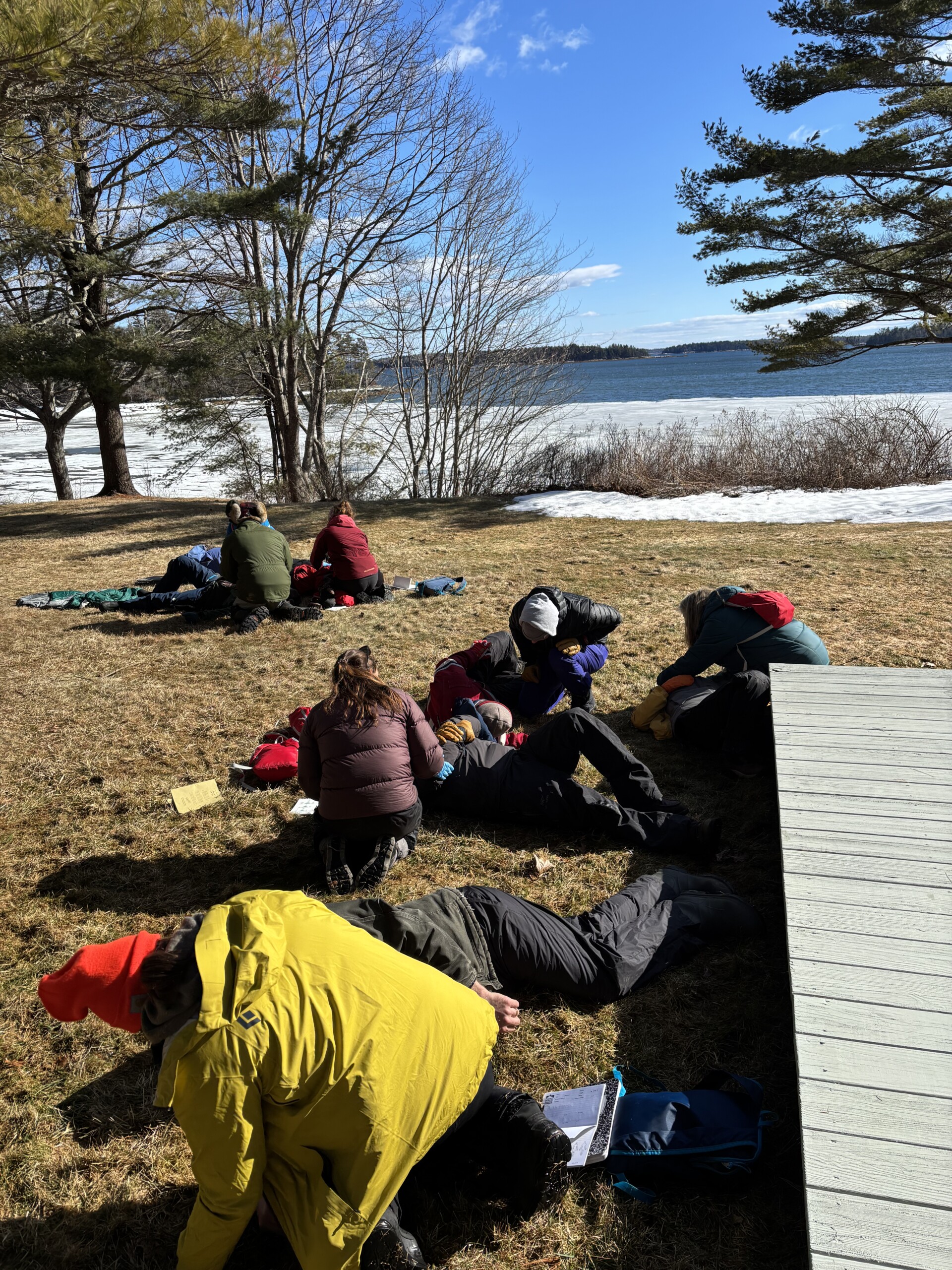
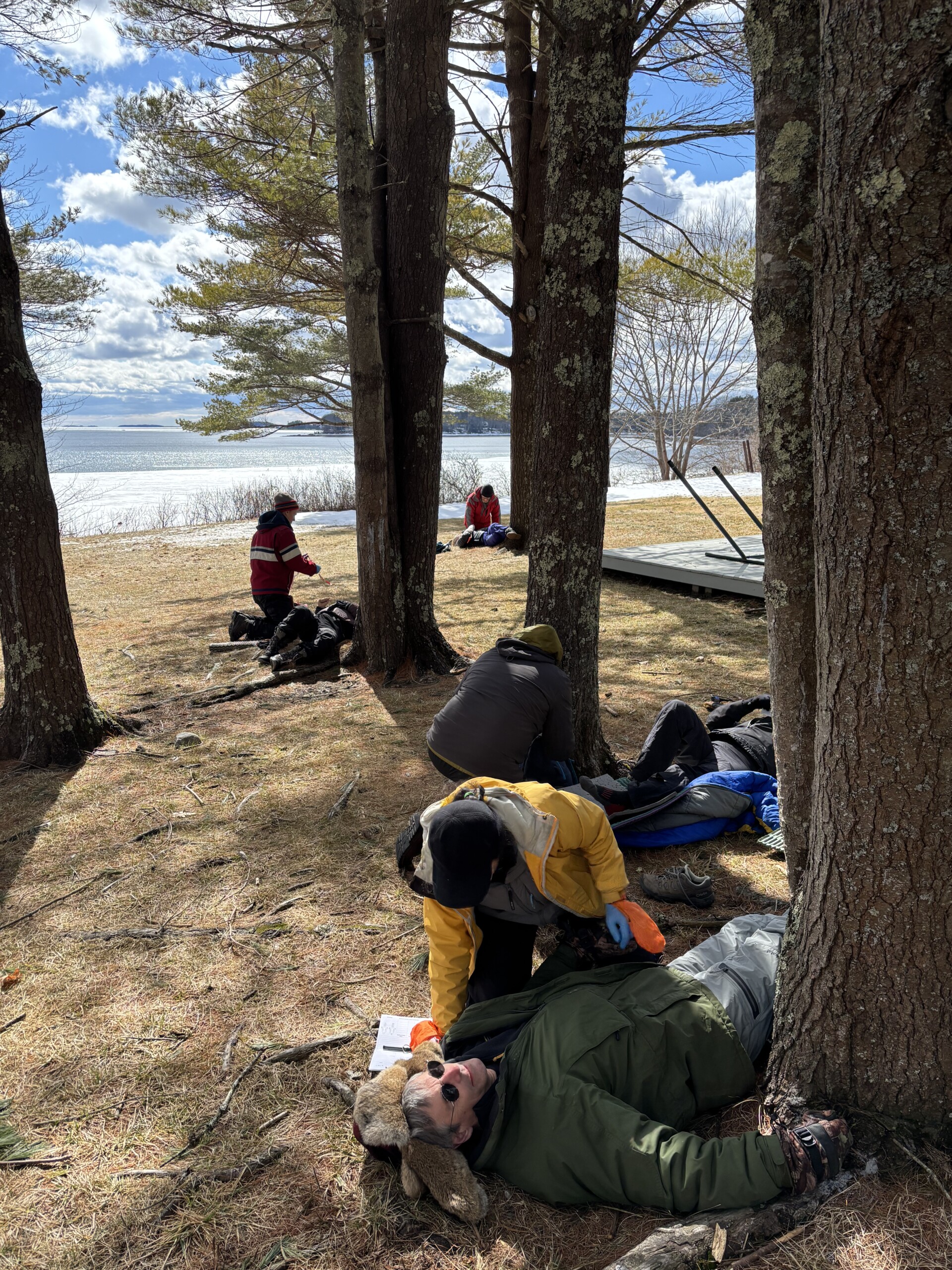

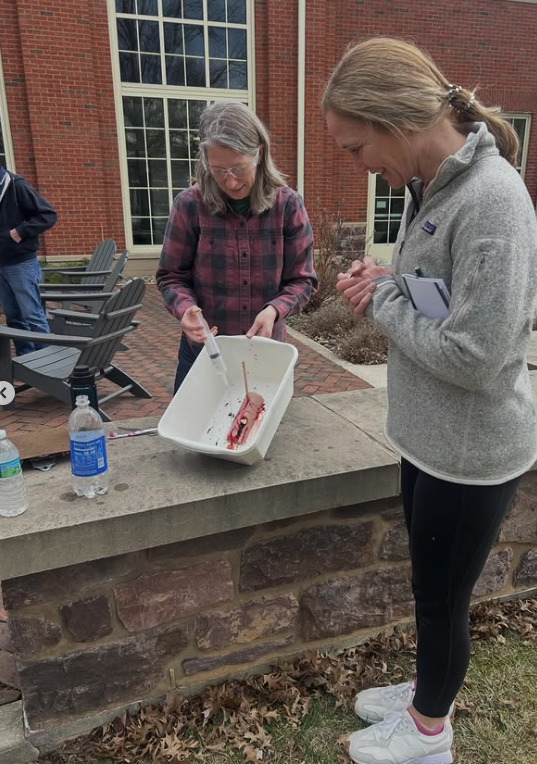
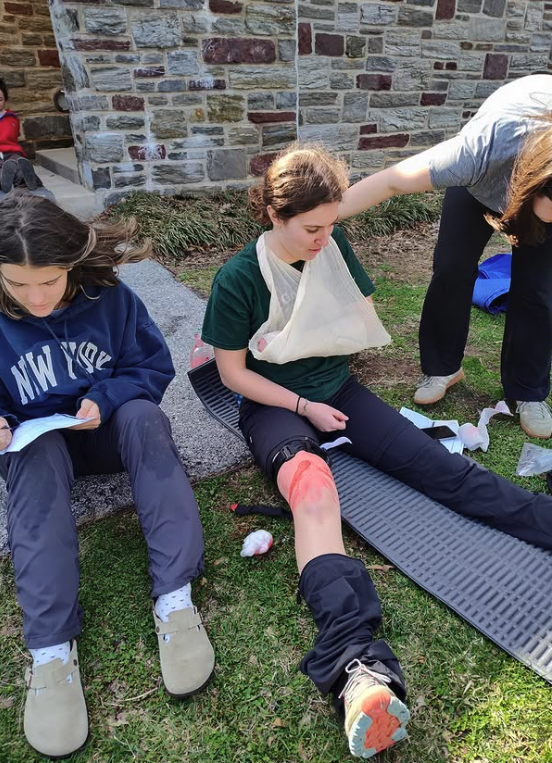
Send us photos from your course!
We’d love to see the behind-the-scenes of your experience.
