Instructor Spotlight
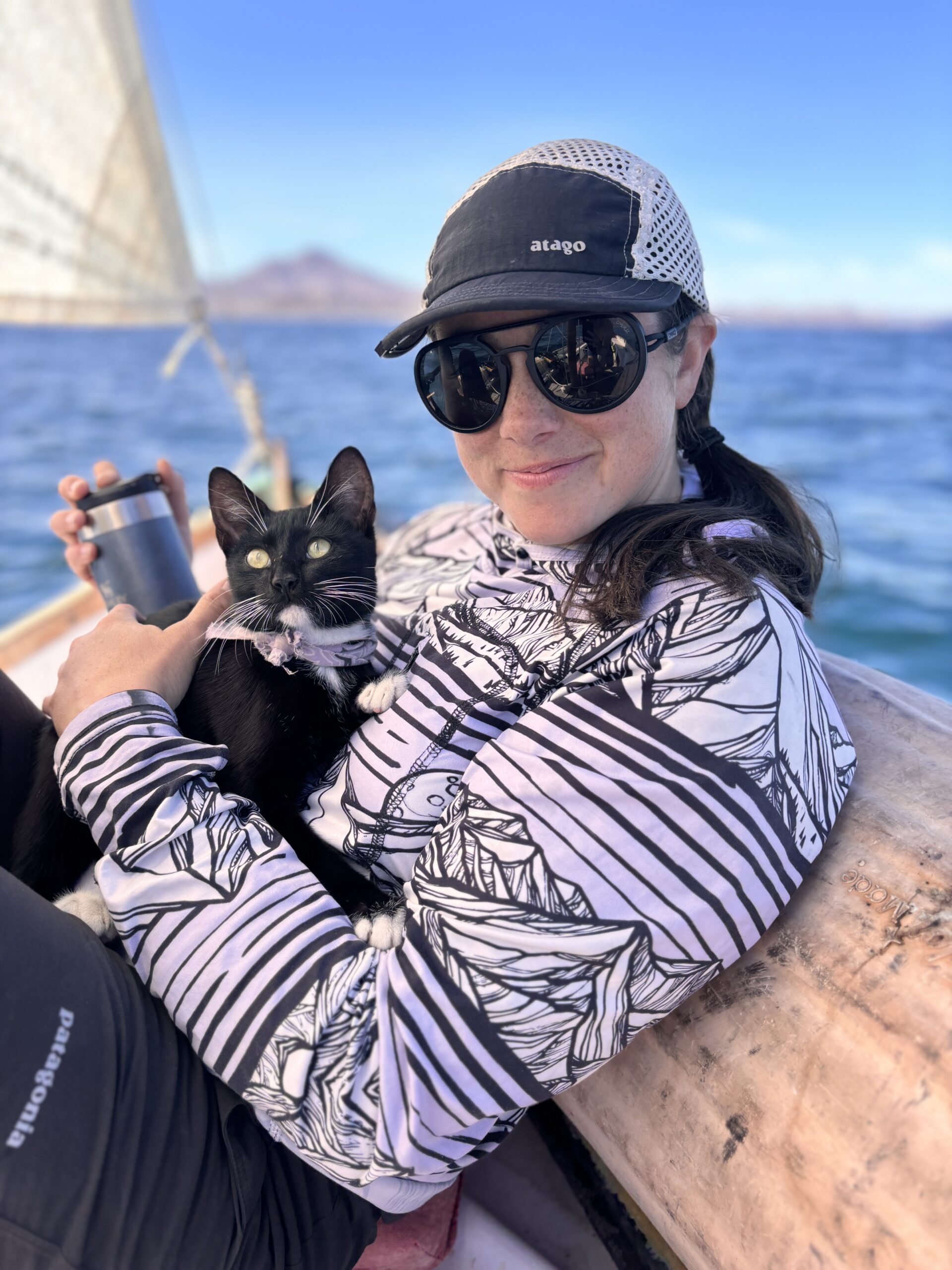
Meet Owens Strawinski
Owens Strawinski’s (she/they) adventurous outdoor spirit sparked on solo hikes in the hills of North Georgia as a teenager and has since grown into a deep commitment to outdoor leadership, medicine, and human-centered rescue work. Owens took her first WFR with WMA in 2014, later earning her W-EMT and then becoming a lead WMA Instructor in 2021.
During and after earning her B.A. in Neuroscience and Psychology at Colby College in Maine, she immersed herself in climbing and expedition work, often pausing school to travel to places like Canada, Alaska, Northern Mexico, Patagonia, and Baja California. She went on to work all over the world in outdoor education programs, commercial guiding, wilderness therapy and more, spending over 1,000 days working in the field over the past decade.
Today, based in Colorado, Owens brings a rare blend of technical experience, compassion, and insight into her role as a WMA Instructor and owner of Foxfire Wilderness. She specializes in teaching technical skills such as rock climbing, mountaineering, sea kayaking, backcountry skiing, avalanche education, and wilderness medicine all with a human-centered, inclusive approach.
What keeps Owens engaged after teaching countless courses isn’t the curriculum alone, but the people. “The students are never boring,” she says. “You might have a parent learning choking response, an activist preparing for protests, summer camp counselors, or tactical professionals—all in the same room. My job is to meet them where they are.”
That philosophy is deeply informed by Owens’ academic background in neuroscience and ongoing work in hospital settings, search and rescue, and wildland fire medical response. She is currently in school, working towards the long-term goal of becoming a psychiatric mental health nurse practitioner.
In courses, Owens emphasizes skills that might go unspoken: managing your own nervous system in emergencies, listening deeply to patients, and avoiding judgment. She believes that good rescuers aren’t just technically competent, they’re emotionally present. “If you’re staring at the injury and not listening to the person, you’re going to miss critical information,” she says.
Whether she’s teaching, responding to SAR calls, working in the hospital, or planning her next chapter in healthcare, Owens brings thoughtfulness, integrity, and humanity to everything she does. Students don’t just leave with medical skills—they leave feeling seen, empowered, and inspired to show up as better caregivers in whatever context they serve.