Empowering Individuals to #FaceAnyChallengeAnywhere
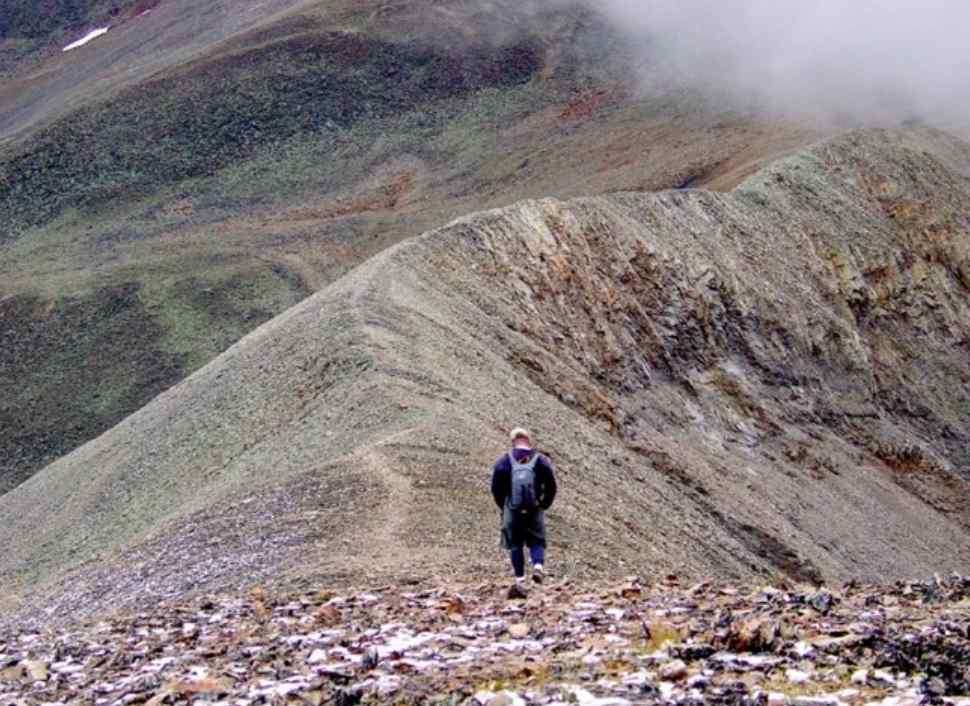
When an unexpected injury occurs in a remote setting—are you prepared to help? With WMA International’s training, you can confidently handle any situation that comes your way.
Before you register for your next course, check out an exclusive new case study written by WMA International’s Curriculum Director, Julie Anderson. Plus, dive into industry news, course highlights, and stories from our global community.
COURSE SPOTLIGHT
Happening Soon
Get the WEMS Advantage
Our Wilderness EMS (WEMS) Upgrade course provides critical skills in crew resource management, incident command systems, and patient packaging for extended travel.
The advanced curriculum is tailored for Advanced Practice Providers, Registered Nurses, EMTs/Paramedics, SAR medical leaders, expedition medics, and more. The WEMS Upgrade course offers 45 hours of EMS Continuing Education Hours through CAPCE, 45 hours of Nursing CEU’s through the California Board of Nursing, and is approved for 38 FAWM credits through the Wilderness Medical Society.
2024 WEMS Courses
September 10-14 in Taos, New Mexico – Instructed by Siri Khalsa, Carl Gilmore, and Julie Anderson.
September 12-14 in Taos, New Mexico – For recertification participants only. Instructed by Siri Khalsa, Carl Gilmore, and Julie Anderson.
November 22-26 in Muskoka, Ontario – Instructed by Robb Evis.
INDUSTRY NEWS
WMA at RESCUE24 Conference in Iceland
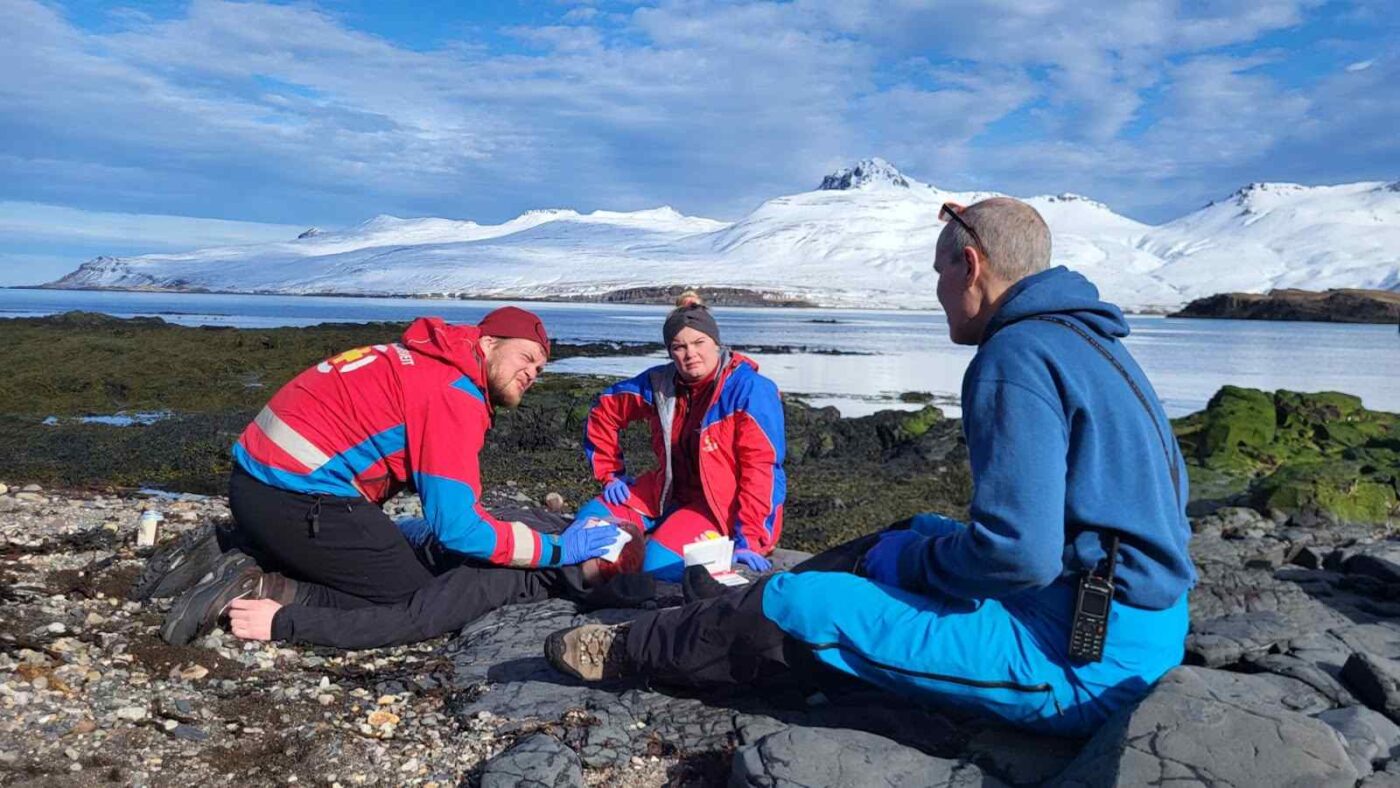
We are excited to announce that Dr. Will Smith, Medical Director of WMA International, Julie Anderson, WMA Curriculum Director, and Axel Ernir Viðarsson of WMA International in Iceland, will be instructing a Wilderness Advanced Life Support (WALS) course at the prestigious RESCUE24 International Search and Rescue Conference in Reykjavik, Iceland, from October 11-13, 2024.
Held at the award-winning Harpa conference and concert hall, RESCUE24 features up to 60 lectures from global experts, with many sessions available in English. This event is hosted in partnership with the Icelandic Association for Search, Rescue and Injury Prevention (ICE-SAR), WMA International’s partner in Iceland.
“We have been working with WMA International and teaching the WFR and WEMS courses in Iceland since 2000. These courses are just so extremely relevant for the Icelandic environment that we work in.” – Axel Ernir Viðarsson. Axel has been an integral member of ICE-SAR since 2005 and became an instructor for WMA International in 2017.
Our presence at RESCUE24 underscores WMA’s commitment to advancing wilderness medicine on a global scale. Join us in celebrating the contributions of our instructors and the global impact of our wilderness medicine community.
Live from the Wild
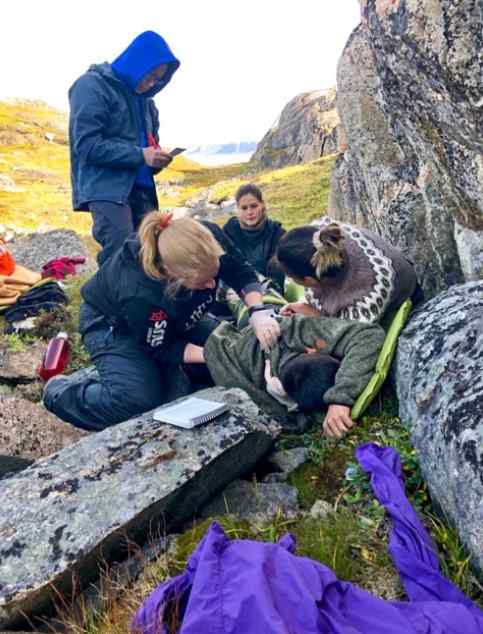
Spotted during May and June WFR courses.
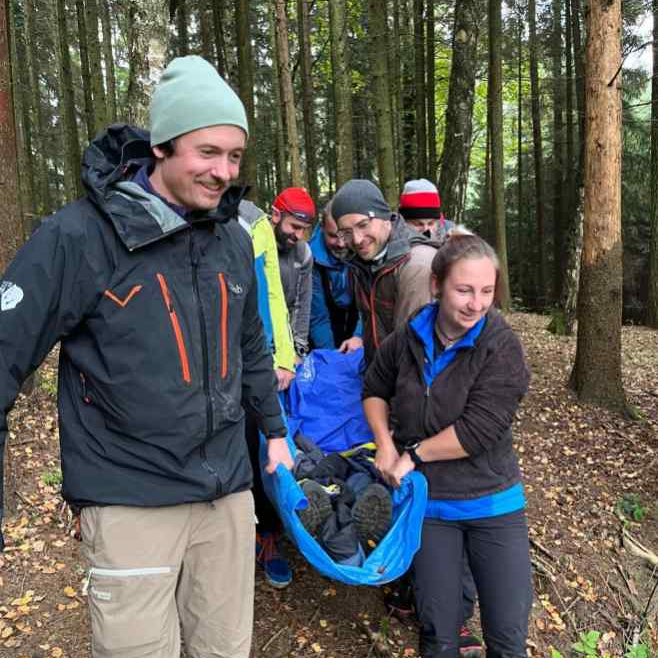
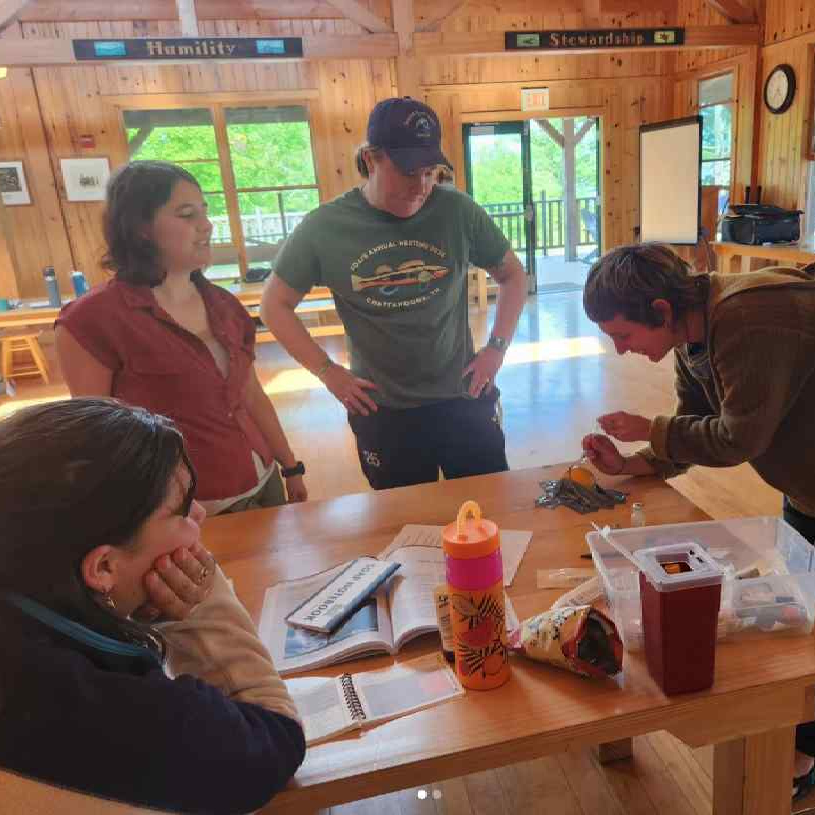
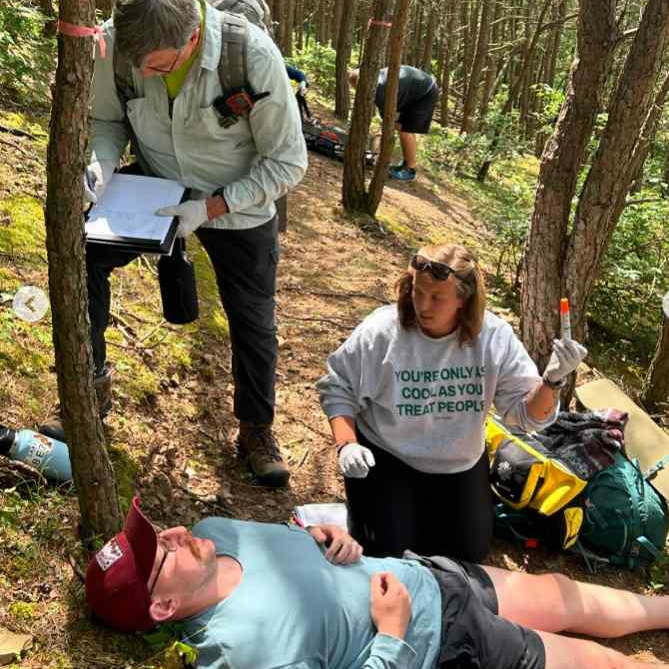
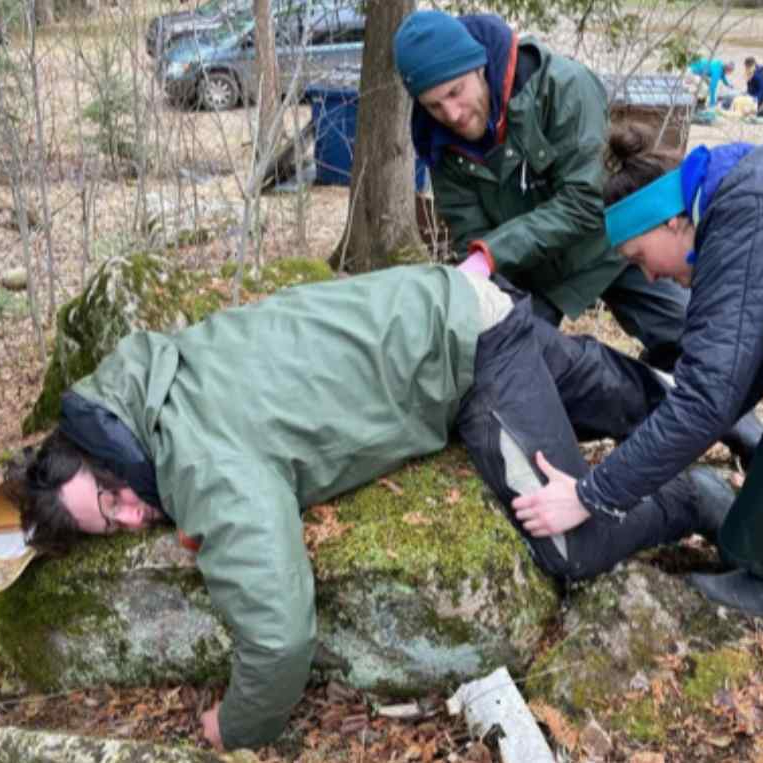
Send us photos from your course!
We’d love to see the behind-the-scenes of your experience.
From Our Graduates
Thank you to all of our dedicated students for choosing WMA International. Your commitment to safety and preparedness in the wilderness inspires us every day!
From Our Graduates
Thank you to all of our dedicated students for choosing WMA International. Your commitment to safety and preparedness in the wilderness inspires us every day!
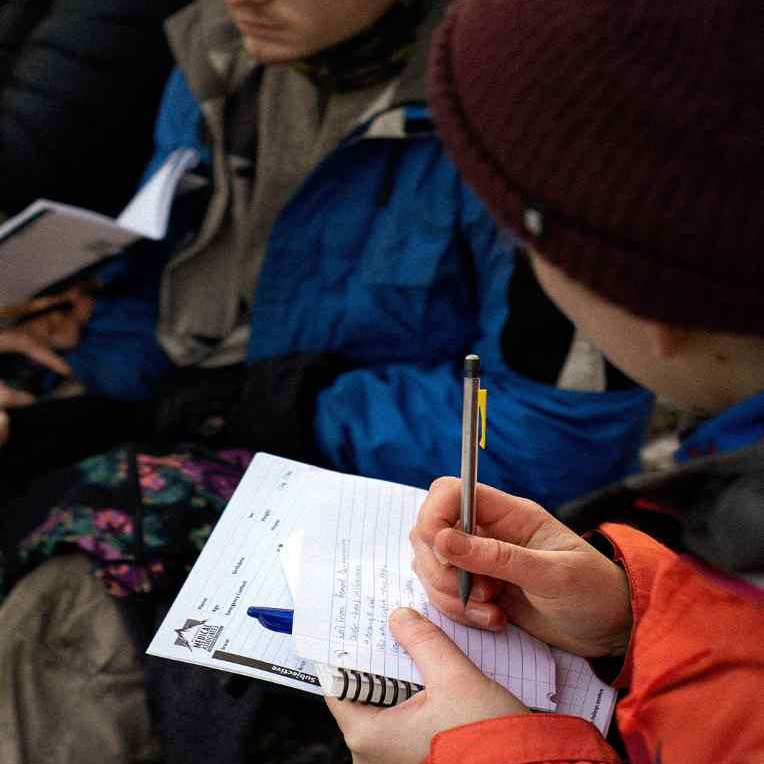
“I cannot say enough about this opportunity, the organization, and the instructor, Tara Cross. I feel much more confident in my ability to handle unforeseen situations when I’m off-the-grid. Fingers crossed I never have to use it!”
–Tara S.
“WMA has improved my safety preparedness by providing education and training with a methodical approach to emergency management. Thank you, WMA!”
– Alissa C.
“I am now a certified Wilderness First Responder thanks to my training with Mark from WMA! I am excited to hit the trails with my newfound knowledge of backcountry risk management, emergency medicine, and evacuation protocols.”
– Ruby H.
Have you had a standout experience with WMA International? Let us know!
NEW CASE STUDY
Everglades Canoe Trip
We offer the following case study to refresh your wilderness medicine skills. You might find that it’s a great time to review your WMA International textbook to make sure you are ready to #FaceAnyChallengeAnywhere.
SCENE
Jo is a healthy and active 27-year-old who is seated in the bow of a canoe during an extended trip canoeing the Everglades Paddling Trail in late July with friends. Temperatures are about 35.5C (96F) and humidity is 90%. It is 1745 and the sky is clear. The entire group is conscientious about using sunscreen, sun protective clothing, and staying hydrated.
SUBJECTIVE
Throughout an eight-hour day, Jo drinks about 2 cups of coffee and 6 liters of water and snacks on raw nuts and dried fruits. Around 1615, Jo starts to notice unusual fatigue, a persistent headache, and nausea, but decides it is just mild heat exhaustion and that things will get better once they get to camp and rest. Jo continues to slowly hydrate but feels too nauseous to continue snacking. However, at 1745, before reaching camp, Jo starts to feel confused and irritable, and their canoeing partner pulls up alongside another boat in their party to ask for advice.
The patient’s symptoms are headache, nausea, and memory loss. Jo does not remember all the names of friends in the group. Following SAMPLE, we find that Jo is allergic to bees, for which they utilize an epinephrine auto-injector. Their last ins and outs include multiple liters of treated water along with snacking throughout the day. Jo’s last bowel movement was this morning, and they remark that they’ve been “urinating a lot” at each of their group breaks.
SAMPLE
S
headache, nauseous, doesn’t remember all the names of the friends in the group
A
bees
M
epinephrine auto-injector
P
allergy to bees
L
multiple liters of treated water, snacking through day. Last BM was this morning. Jo has been urinating “a lot” during each of the group breaks.
E
Canoeing
OBJECTIVE
At 17:45, the patient is awake but confused and irritable. The physical exam is unremarkable for any injuries, but Jo’s skin is warm, flushed, and sweaty.
VITAL SIGNS
Pulse: 86, Respirations: 16, Skin: Warm, flushed, sweaty, AVPU: Awake but confused and irritable. Physical exam is unremarkable for any injuries.
REVIEW
What do you think? Is this serious or not serious? What else would you like to assess? Drop your thoughts in the comments section of this Case Study on our Facebook or Instagram. Stay tuned on those platforms for an assessment and follow-up discussion next week!
