Insights from WMA International
This month, we focus on our partnership with the US National Whitewater Center and feature industry insights from WMA International President, Abby Rowe. Test your knowledge with Part 2 of our latest Case Study, “Everglades Canoeing”, and discover new opportunities to advance your wilderness medicine skills.
Thank you for being a part of a global community of skilled professionals prepared to Face Any Challenge Anywhere!
HOST SPOTLIGHT
Wilderness Medicine at the US National Whitewater Center
The US National Whitewater Center partners with WMA International to deliver top-tier wilderness medicine training at their 1,300-acre outdoor center in Charlotte, North Carolina. Courses at the Whitewater Center are tailored to the demands of activities like whitewater rafting, kayaking, and rock climbing, providing essential skills for outdoor enthusiasts in North Carolina and the greater Southeast.
WMA International instructors like Tim Slusser and Laura Helfman bring invaluable expertise with their extensive backgrounds in emergency medicine, whitewater paddling, swiftwater rescue, and outdoor education, further enhancing the learning experience.
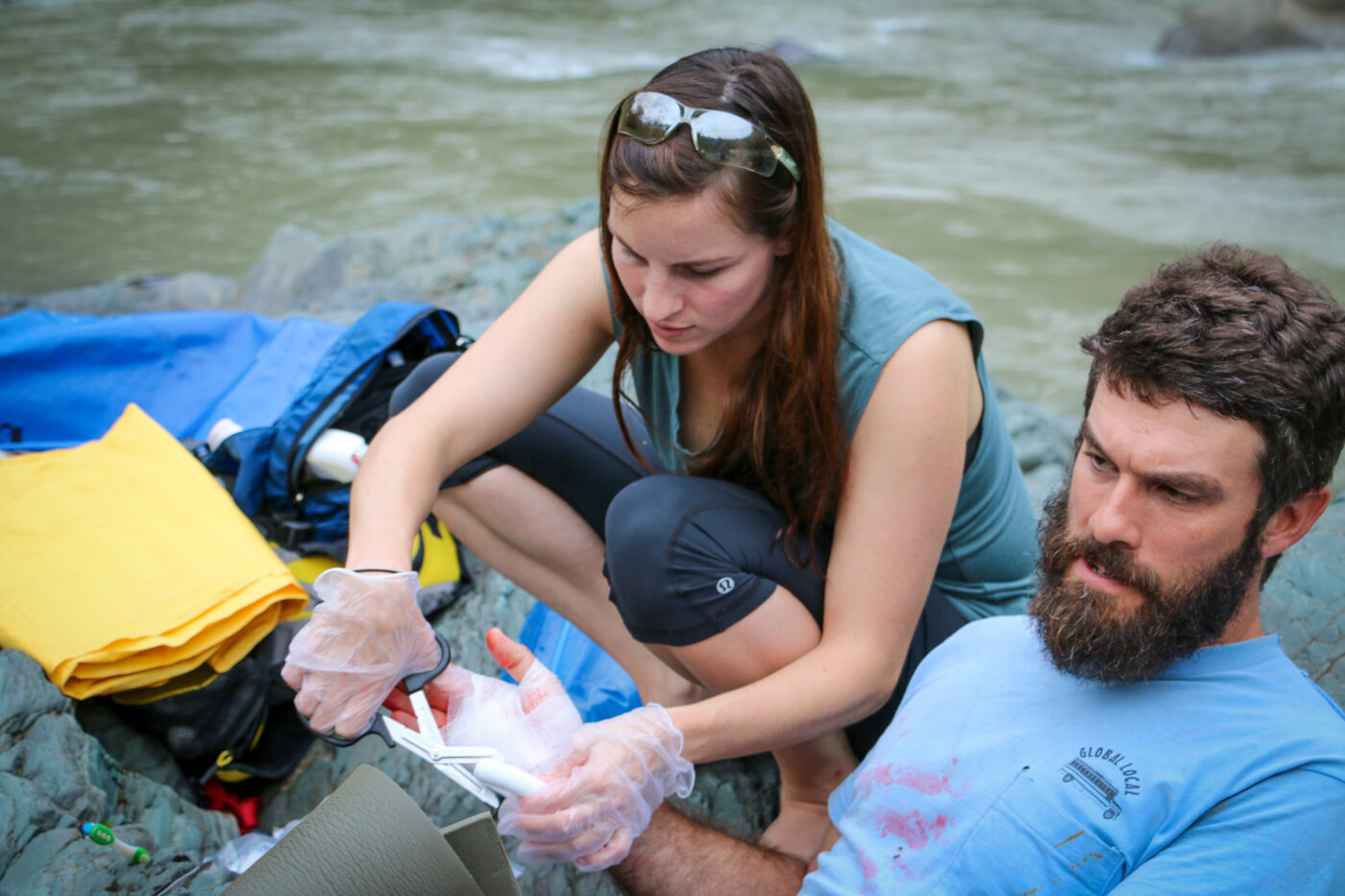
“By equipping more people with wilderness medical knowledge, these courses make the outdoors a safer place for everyone and support the Whitewater Center’s mission to facilitate access to the outdoor lifestyle,” said Pat Barry, WWC Manager of Instruction.
This partnership elevates the quality of training and fosters a community of skilled professionals ready to Face Any Challenge Anywhere!
Interested in hosting a course? Expand your organization’s potential with the specialized medial training of WMA International.
INDUSTRY NEWS
The Importance of Hands-On Learning in Wilderness Medicine
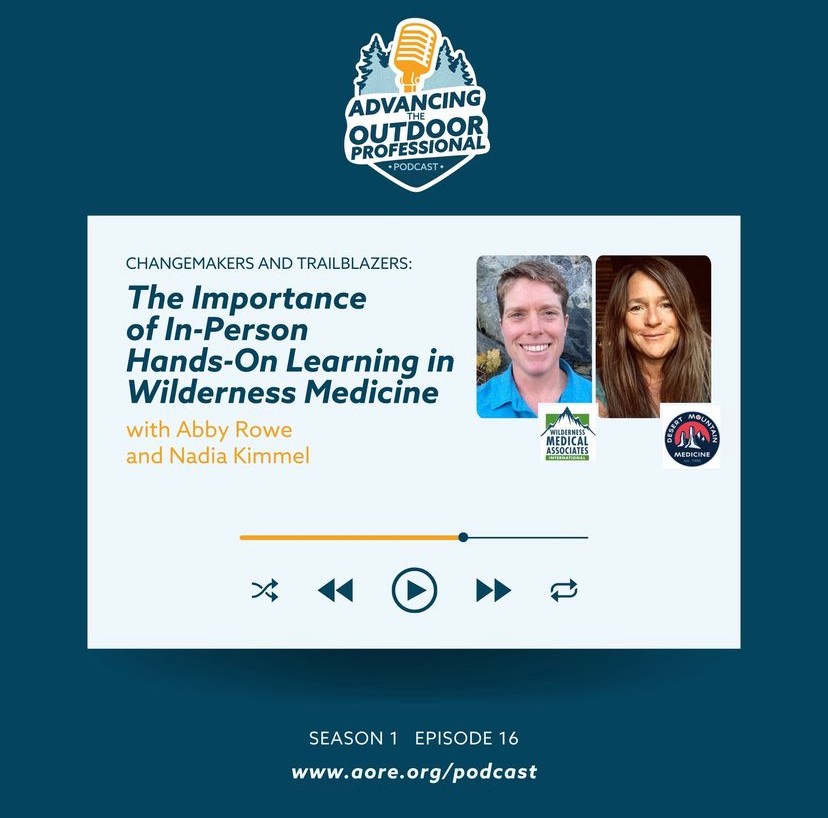
WMA International President Abby Rowe and Nadia Kimmel, the CEO of Desert Mountain Medicine, were invited by the Association of Outdoor Education and Recreation (AORE)) to discuss the importance of in-person, hands-on learning in wilderness medicine on the Advancing the Outdoor Professional Podcast.
Abby and Nadia, along with Jeanette Stawski from AORE, delve into the Wilderness Medicine Education Collaborative (WMEC), which sets minimum guidelines for common field certifications in Wilderness Medicine. They highlight the lack of industry standards for wilderness medicine programs and address the growing trend of online-only courses. Emphasizing the importance of hands-on learning, they explain how the in-person component develops the psychomotor instincts and confidence needed to respond effectively in stressful situations.
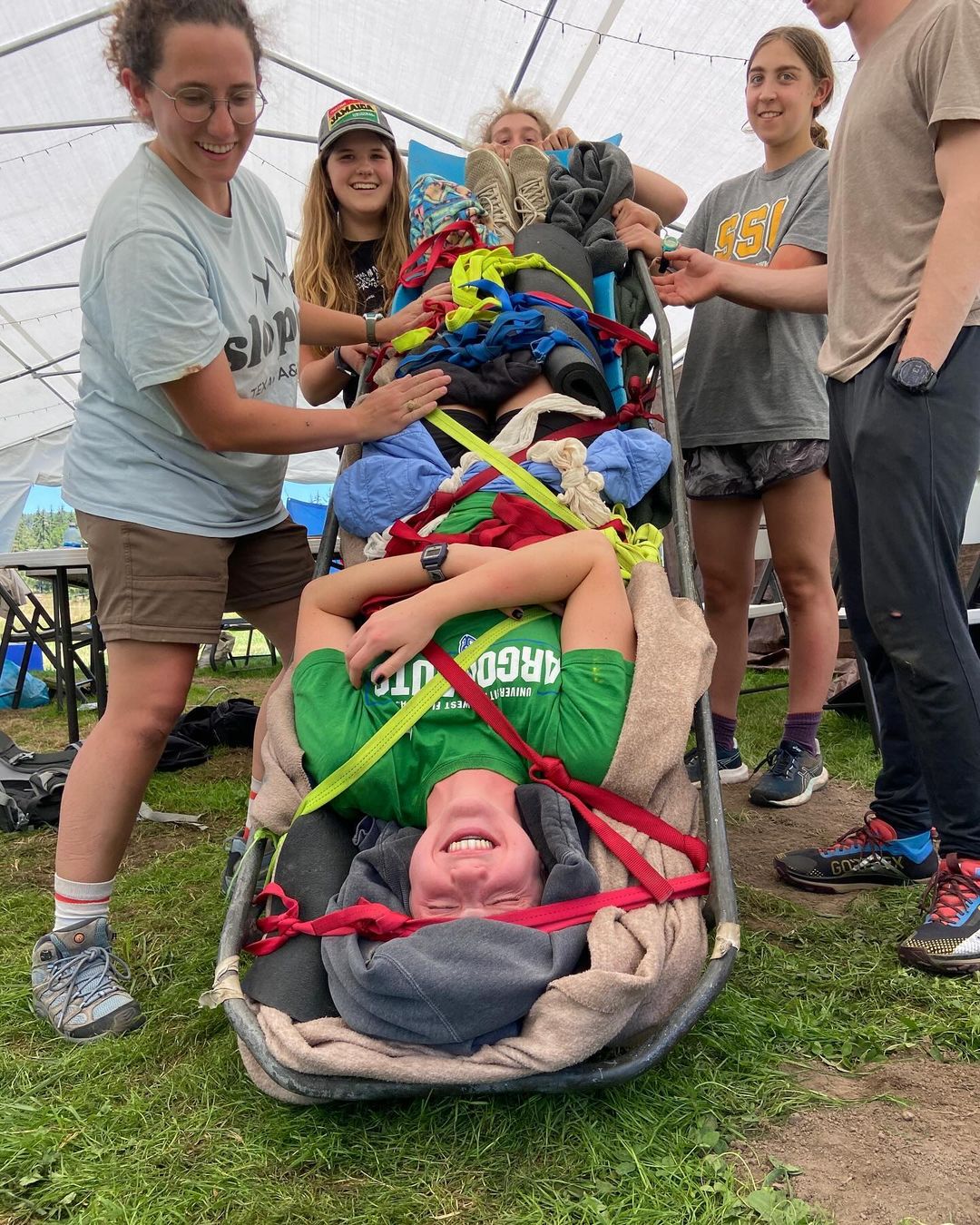
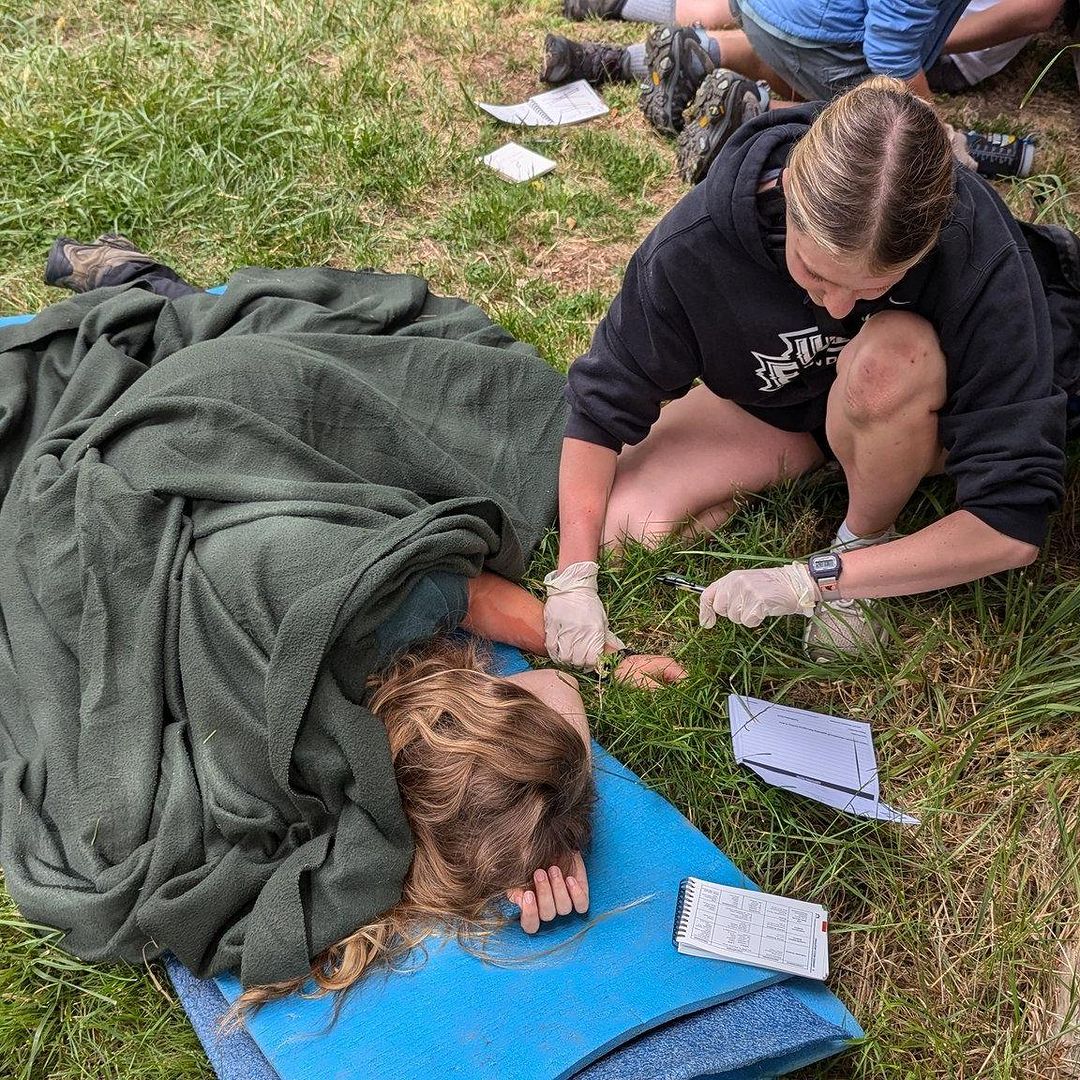
Live from the Wild
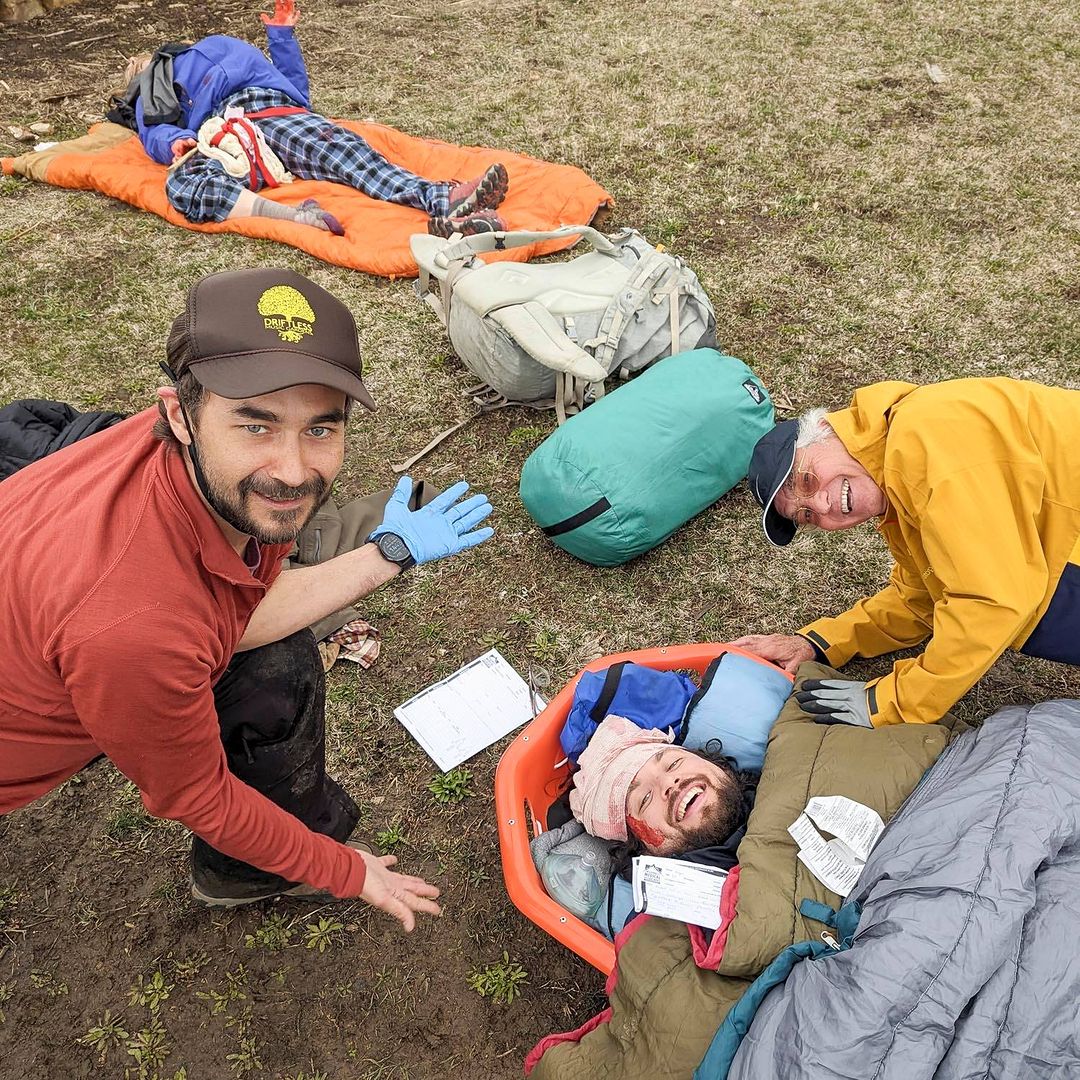
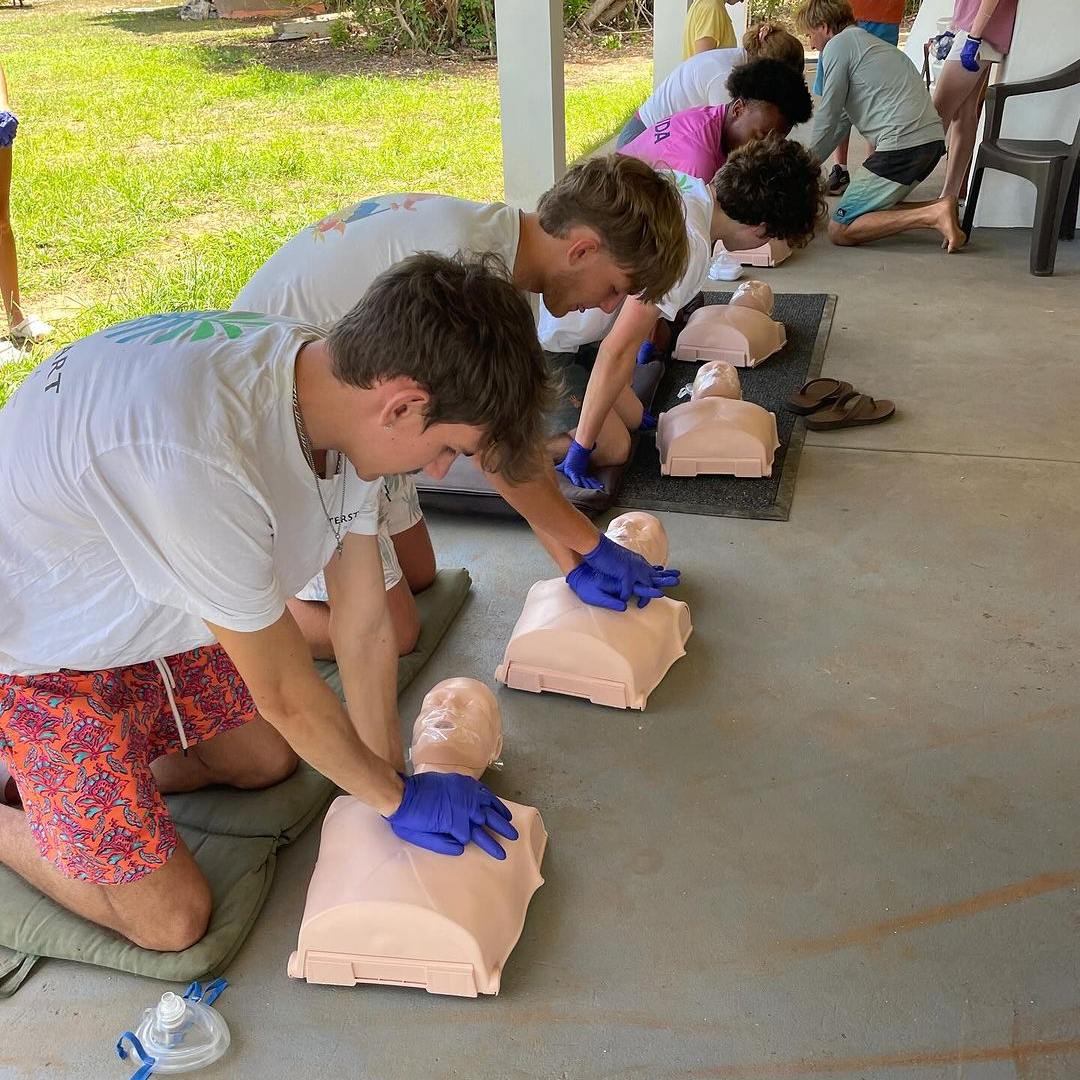
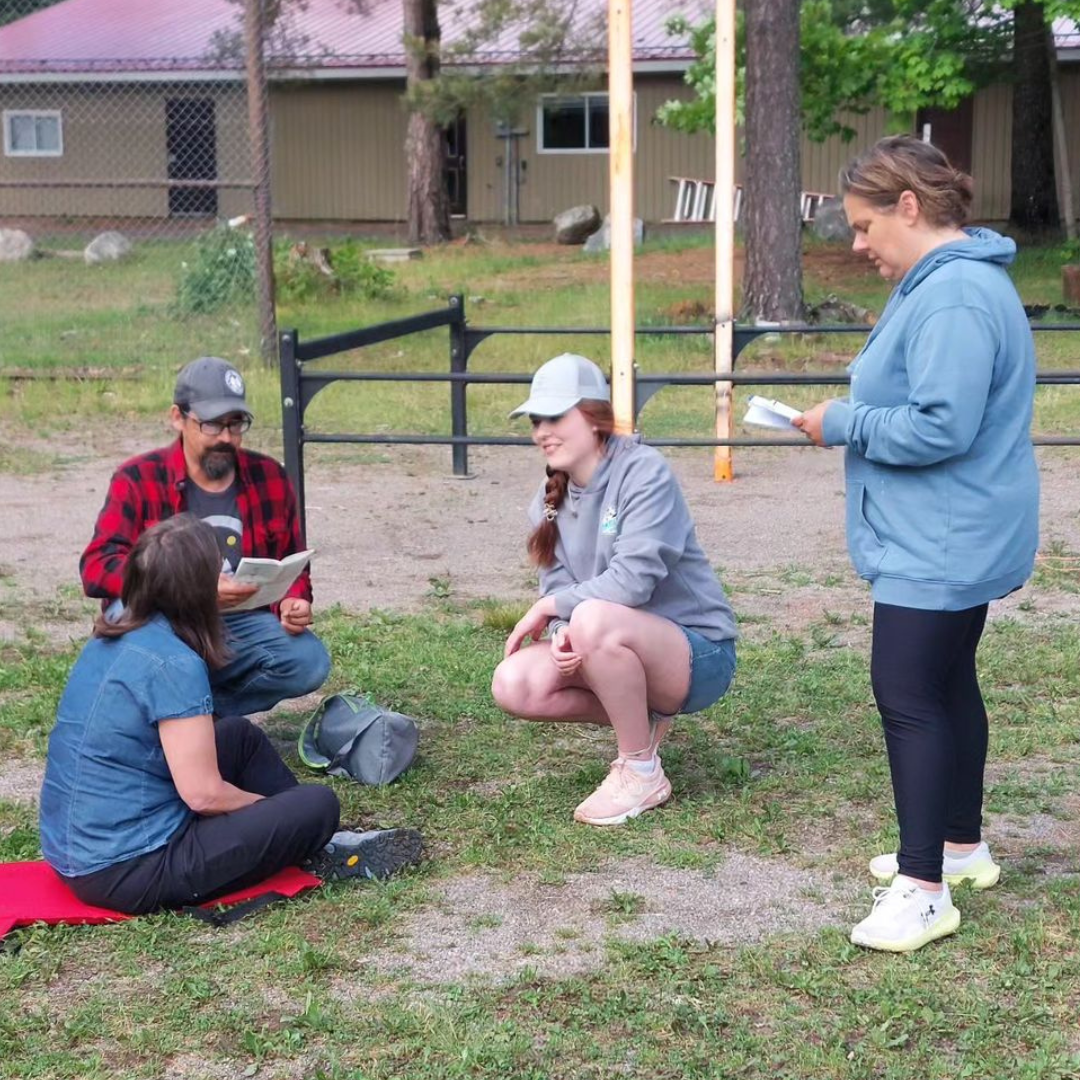
Students in action during June and July WMA International courses!
Send us photos from your course!
We’d love to see the behind-the-scenes of your experience.
CASE STUDY: PART TWO
Everglades Canoe Trip
With any injury or illness in the wilderness, we need to consider challenges related to the environment and evacuation as well as the patient’s clinical findings. What were you thinking? Did you use STOPEATS to ensure nothing was overlooked? Refresh your memory with Part 1 of the Everglades Canoeing Case Study in July’s Newsletter on our Instagram and Facebook.
We asked WMA International’s Curriculum Director, Julie Anderson, to assess and treat Jo. She also shares her considerations for caring for this patient in a remote context. This is what she had to say:
Assessment
A: Confusion/Brain Failure
A’: Decreasing level of consciousness (AVPU)
This is a serious problem. Jo is showing the critical system problem of brain failure – altered mental status.
Treatment Plan
We can consider several possible afflictions, thus head down different avenues for treatment.
Hyponatremia -> Restrict fluids, provide salty snacks
Hypoglycemia -> Provide sugar
Heat Exhaustion -> Provide shade and rest
Discussion
This case illustrates how difficult it can be to distinguish between sources of altered mental status, particularly in a hot environment. Symptoms often overlap, and the patient may be suffering from complications of more than one situation. Using the STOPEATS memory aid is a helpful prompt for responders to cover the multiple causes of confusion.
There were some key findings in this assessment that helped steer treatment:
- Jo’s skin was warm, not hot, thus heat stroke was not likely.
- Jo had been snacking through the day, but it is unclear how many calories were ingested. Giving a sugary snack could help determine if the primary cause was hypoglycemia.
- Jo could certainly be experiencing heat exhaustion, which would be treated with rest and shade.
- Compensated volume shock seems unlikely given the amount of fluid intake, regular urination, and relatively normal vital signs.
- Hyponatremia is possible, considering the amount of water Jo has had to drink today. If providing additional fluids doesn’t help, hyponatremia is the likely culprit.
Did you have similar findings? What other considerations did you have?
Thank you to all who shared their thoughts on this Case Study on social media. Let’s continue to #FaceAnyChallengeAnywhere by refreshing our knowledge and skills!
