Springing Into Action
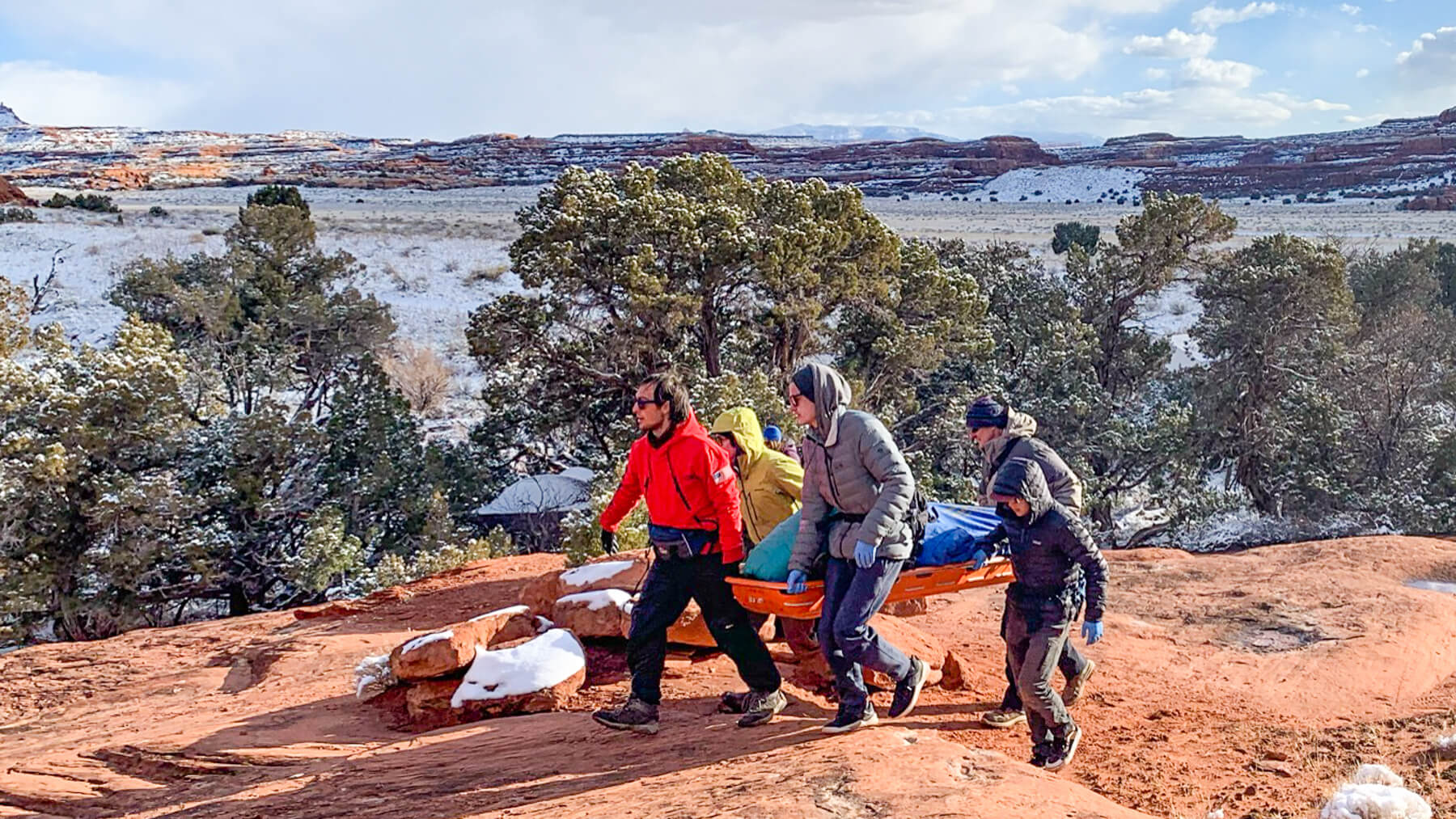
Every season brings a new opportunity for wilderness adventure, and every wilderness adventure is more enjoyable when you are prepared with the proper knowledge and skills to respond when things don’t go according to plan.
Spring welcomes new growth all around, including at WMA International — with these brand-new newsletters, we’ll deliver updates, insights, and behind-the-scenes course photos every month.
We look forward to staying connected on all things wilderness medicine!
INDUSTRY NEWS
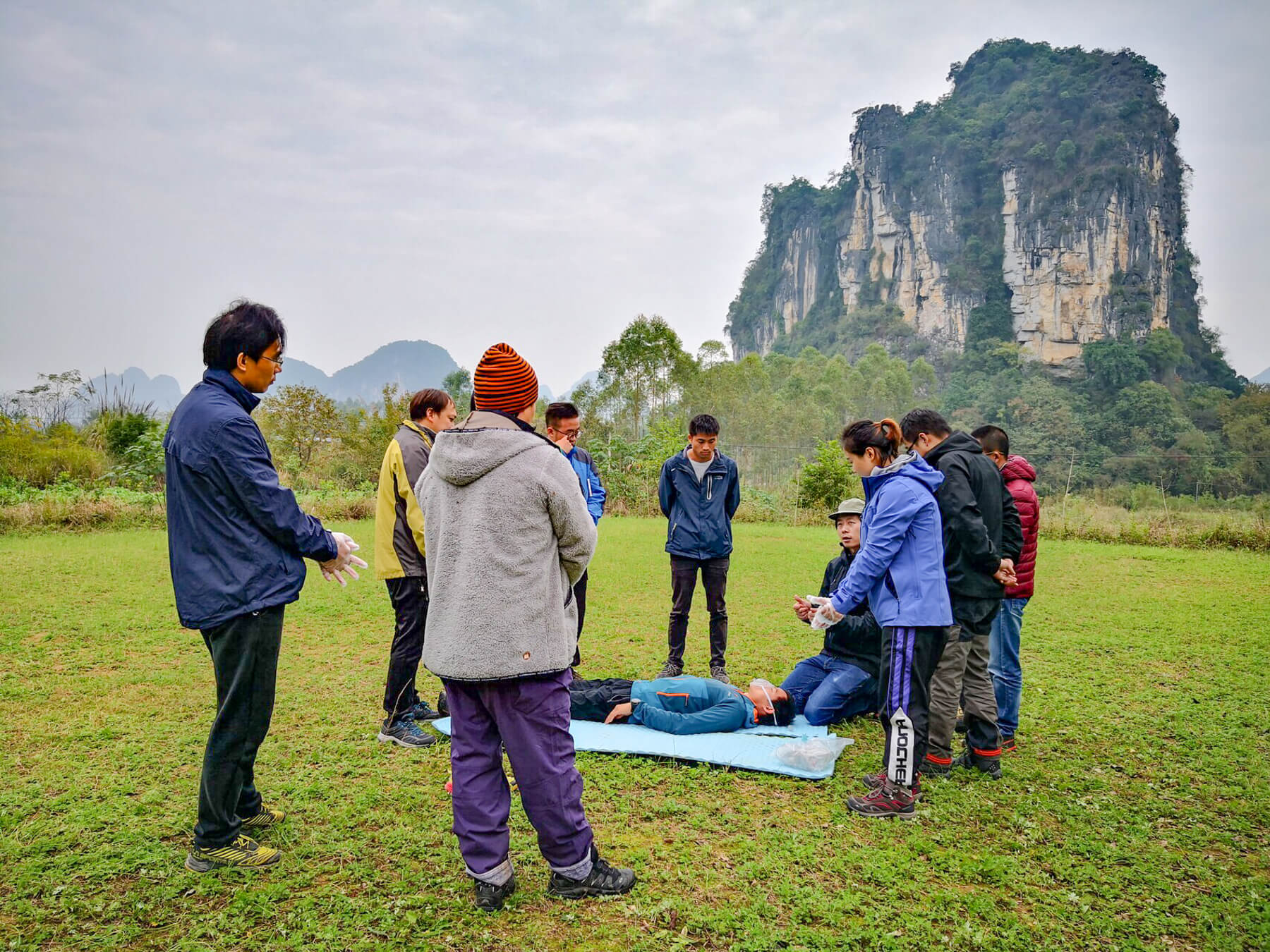
Updated Guidance for Snow Burial Accidents
WMA’s Medical Director, Dr. Will Smith, is a contributing author to the Wilderness Medical Society’s Clinical Practice Guidelines for Prevention and Management of Avalanche and Nonavalanche Snow Burial Accidents. Check out their 2024 update here.
Spotted in the Wild
Earth Day is Monday, April 22nd! Join us in celebrating the beautiful places around the world in which we get to train, learn, and explore.
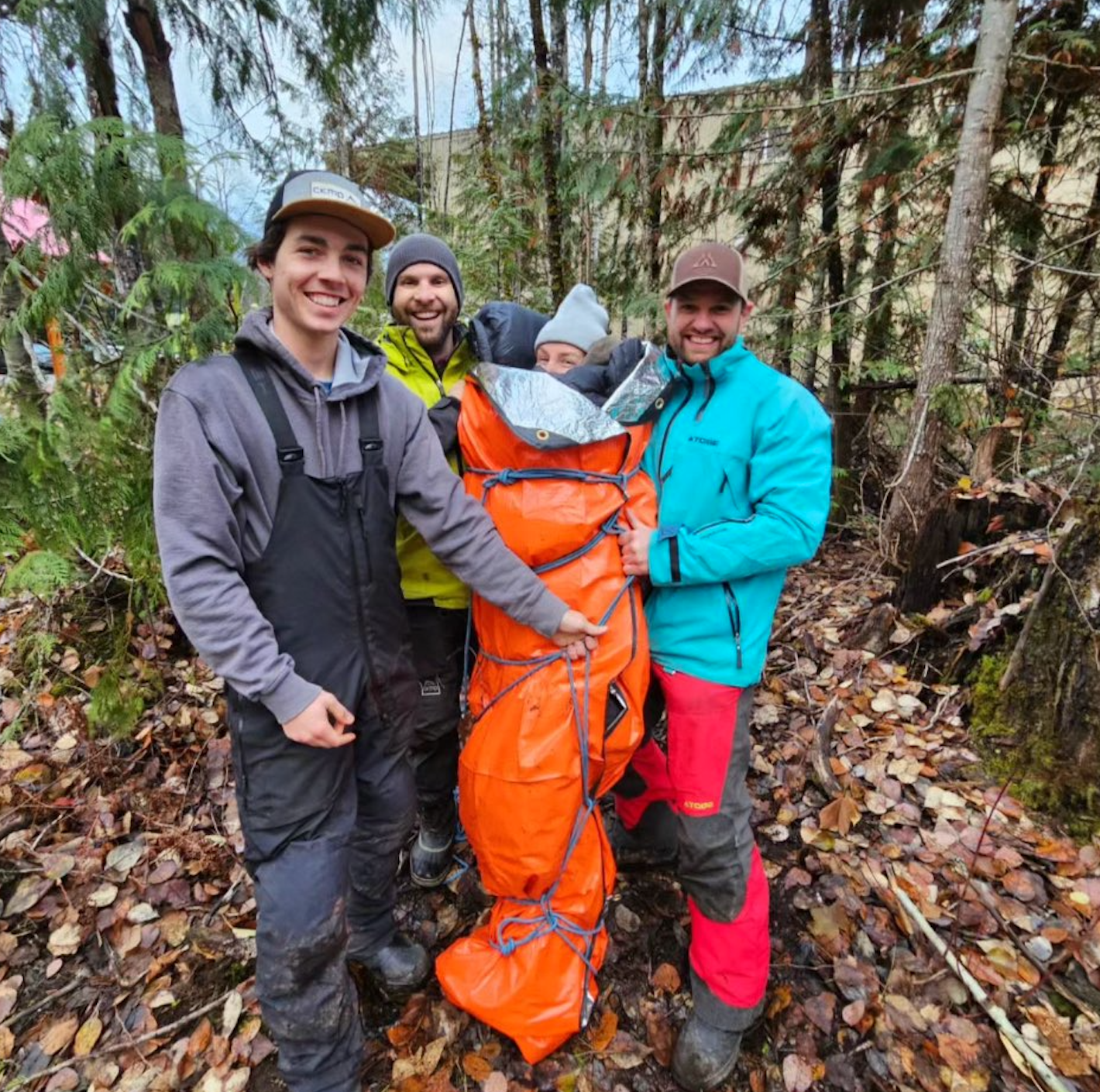
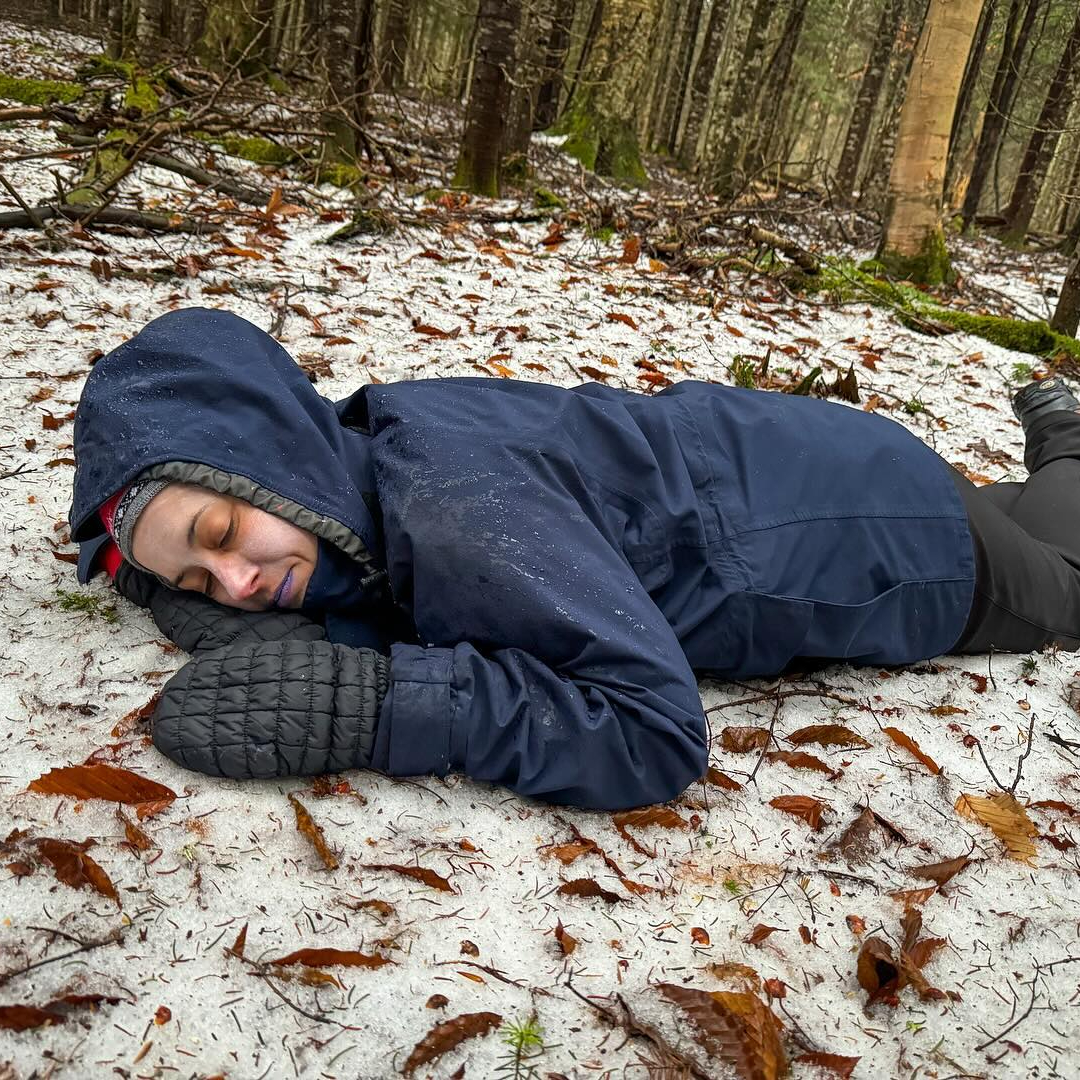
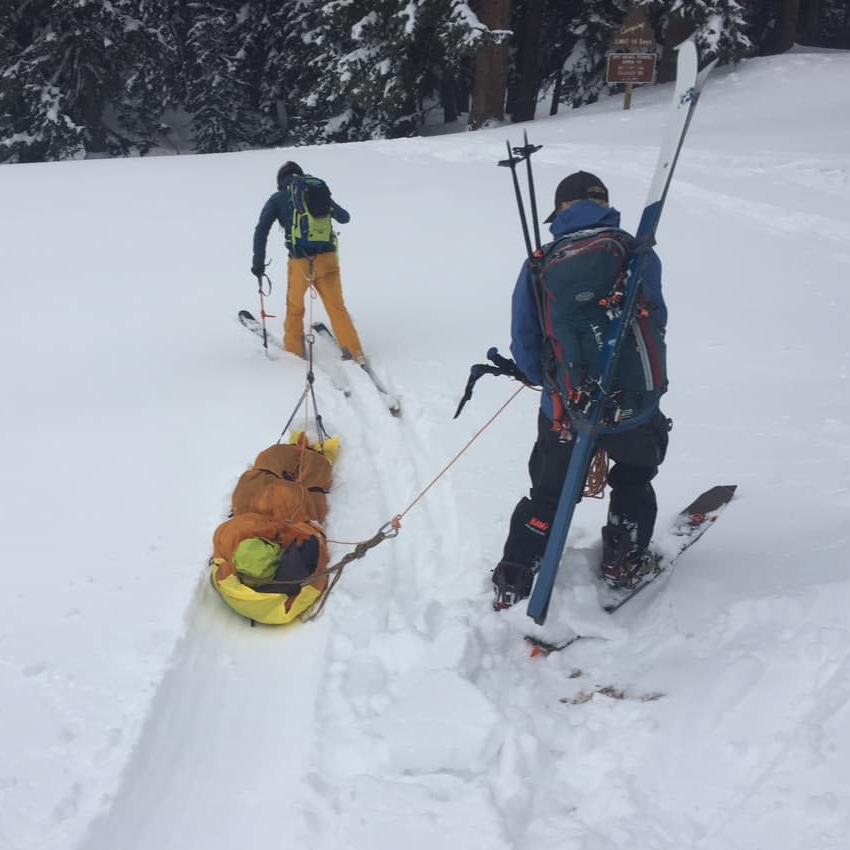
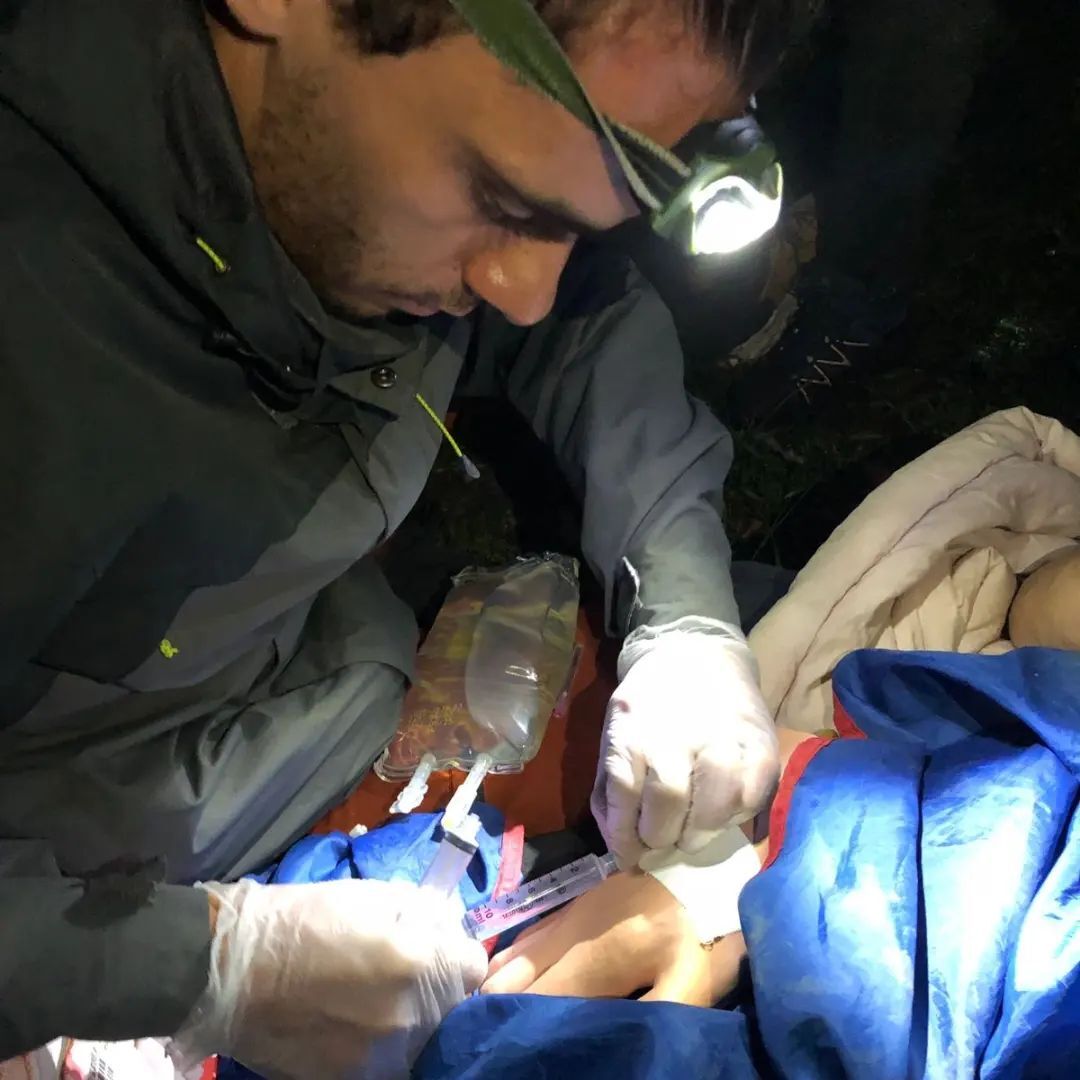
Send us photos from your course!
We’d love to see the behind-the-scenes of your experience.
COURSE SPOTLIGHT: JUST LAUNCHED
Hybrid Wilderness Advanced First Aid
Exciting news! Our Wilderness Advanced First Aid course is now available as a hybrid— combining online learning with in-person sessions. Get started with interactive online modules with videos, readings, practice, quizzes, and case studies, then put your knowledge to work with hands-on instruction.
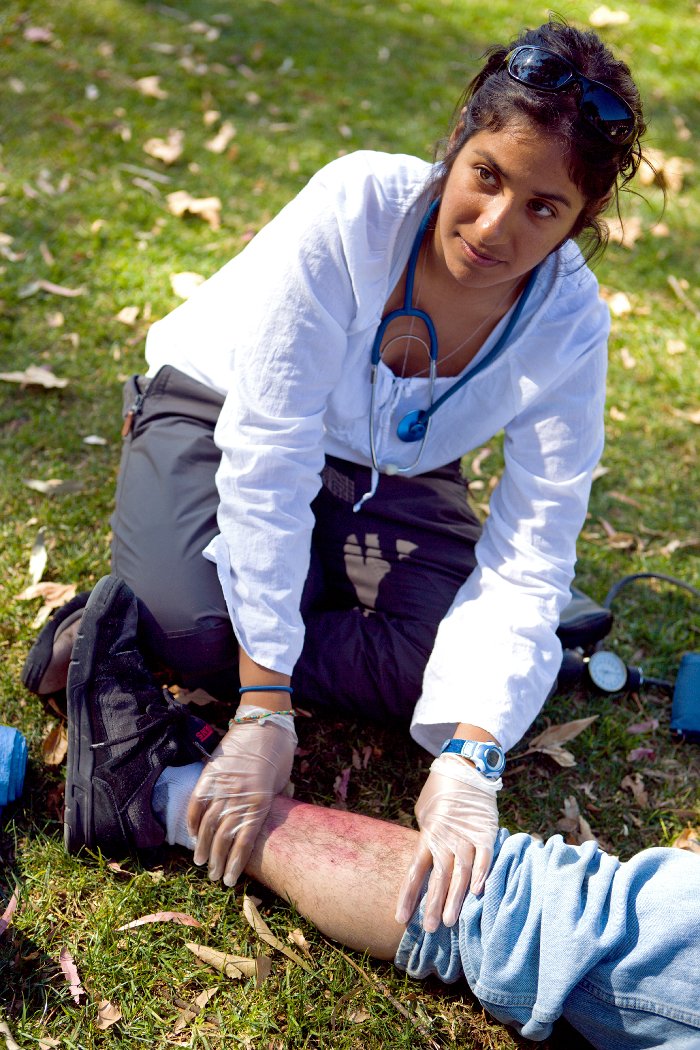

Instructor Spotlight: Meet Deb Ajango
Over the course of her career, Deb has been a clinical psychologist, mountaineer, author, speaker, and guide – plus, a WMA educator for over 25 years. When she’s not actively contributing to the fields of risk management and safety, you’ll find her taking full advantage of all the Alaskan wilderness has to offer.
CASE STUDY REVIEW
Fall While Climbing
We offer the following case study as a way to refresh our wilderness medicine skills. You might find that it’s a great time to review your WMA International textbook to make sure you are ready to face any challenge anywhere.
SCENE
A mountain rescue team responds to a climbing accident where a 24-yearold man fell off a 5 meter tall cliff and then rolled 30 meters down a steep scree slope. The fall was reported by his climbing partner via cell phone at 1700 hours. Mountain Rescue arrived on scene at 1900 hours. The weather was clear and calm with a temperature of 18°C. The scene is at the base of a granite cliff at an elevation of 3300 meters. The evacuation will require a descent of a 35% slope of loose scree and trees to the valley floor at 2750 meters.
SUBJECTIVE
The patient is found sitting upright on a steep scree slope. He complains of a mild headache and severe right ankle pain on attempted movement and weight bearing. He reports full memory of the event. He denies neck or back pain, difficulty breathing, abdominal pain, or distal numbness or weakness. He describes himself as healthy and does not take any medication. He
reports a history of infrequent exercise-induced asthma. His last meal was lunch at 1300. He last drank 500 ml of water just before the fall. He reports his normal resting pulse rate as 64. He lives at 3000 meters.
OBJECTIVE
Awake and calm with normal mental status. Scalp with several superficial lacerations and contusions. Other superficial abrasions and contusions noted over trunk and extremities. Right ankle is markedly swollen and tender. Distal circulation and sensation are intact. There is no respiratory distress. There is no significant chest wall, abdominal, or pelvic tenderness. There is no tenderness to firm palpation of the spine,and the distal motor and sensory exam is fully intact (exception for R ankle motor exam). Vital signs at 1915: P: 106, R: 16 and easy, O2: 93%, BP: 126 systolic, S: normal, T: normal, C: awake and oriented.
We will post our problem list via social media next week. In the meantime, we want to know what you think – what would your problem list look like?
