Sun, Skills, & Stories: Your June Summer Update
Summer is kicking off to a great start, and with it comes new adventures, longer days, and more time spent off the grid. Whether you’re paddling remote waters, guiding backcountry expeditions, or just soaking up the wilderness, preparation is key.
Wilderness medicine is always evolving—and we’re here to keep you in the loop. In this issue: the latest industry news, a compelling case study, an inside look at one of our featured courses, and snapshots straight from the field.
In Memory of Doug Cameron
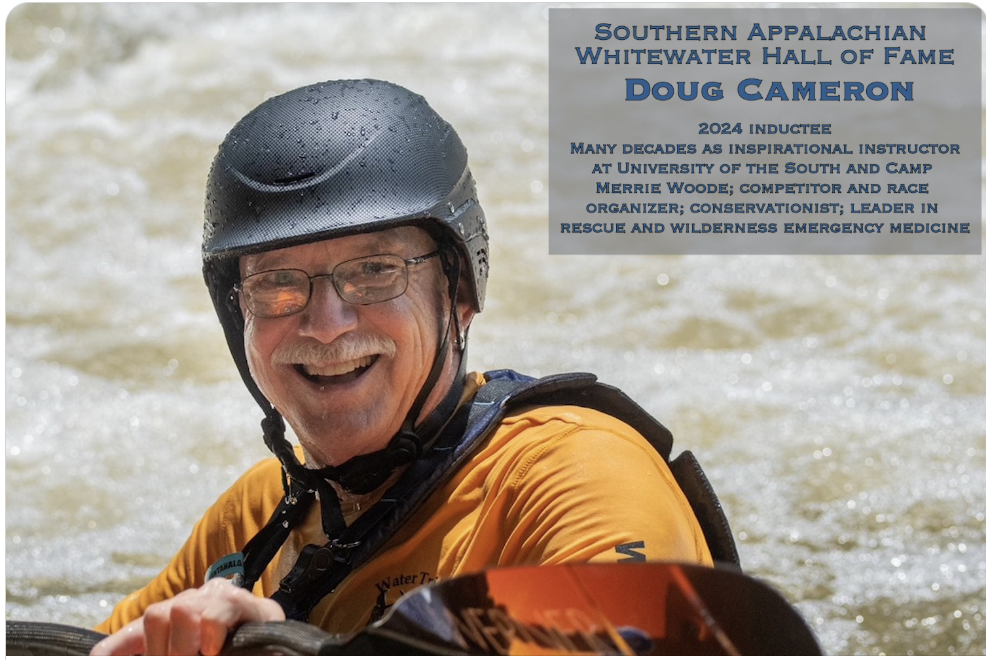
We are deeply saddened to share the news that longtime WMA International instructor Doug Cameron passed away on May 22, 2025, in Nashville, TN. Doug was part of the WMA family for nearly 30 years. Between 1995 and 2024, he taught 82 courses and trained over 1,300 students—leaving a lasting impact on countless lives. Known for his intelligence, warmth, and generosity, Doug inspired many to pursue careers in medicine and outdoor leadership.
Even in recent years, while undergoing treatment for cancer, Doug continued to do what he loved: spending time with family, supporting his communities, and sharing his passion for the outdoors. This spring, he traveled to Asheville to be inducted into the Southern Appalachian Whitewater Hall of Fame—a recognition of his lifelong dedication to paddling and outdoor leadership.
Doug’s life was rich with service and adventure. He was a paddling and sailing instructor, a firefighter, a community activist, a mentor, and a grandfather. He taught canoeing and kayaking at Camp Merrie-Woode for decades, helped guide students at the University of the South, and held leadership roles with Sewanee EMS and the volunteer fire department. He even built his own boats and took part in long-distance sailing races—always with a smile, a story, and an open heart.
Doug leaves behind a legacy that stretches across rivers, classrooms, and communities. He will be deeply missed by all of us at WMA International.
SURVEY
Your Feedback on Learning Materials
At WMA International, we’re committed to enhancing your learning experience. To better understand your preferences, we invite you to participate in a 4-question survey regarding the format of our field guides, SOAP notes, and textbooks. Your input will help us determine whether printed or digital materials are most suitable for your learning needs. Thank you for sharing your feedback with us!
COURSE SPOTLIGHT
Wilderness Advanced Life Support™ (WALS)
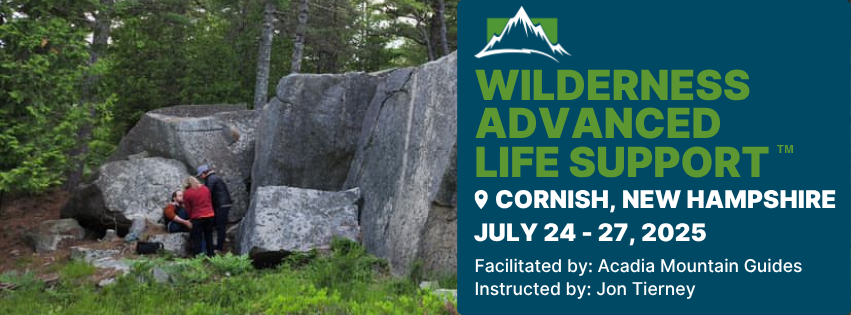
Join us this July in Cornish, New Hampshire for Wilderness Advanced Life Support™ (WALS) — the gold standard for advanced care medical practitioners working in remote or austere environments. This course is designed specifically for MDs, DOs, PAs, NPs, RNs, paramedics, and AEMTs who are looking to deepen their skills in critical wilderness patient care. Taught by instructors Jon Tierney, Evie Marcolini, and Paul Marcolini, hosted by Acadia Mountain Guides, the course emphasizes decision-making and advanced interventions when resources are limited, and evacuation is far away.
This WALS course meets the requirements for those pursuing the Northeast Diploma in Mountain Medicine (DIMM), a collaboration between Dartmouth Hitchcock Medical Center’s Wilderness and Austere Medicine program and Acadia Mountain Guides. Participants will earn AMA PRA Category 1 Credits™ through the Wilderness Medical Society. Whether you’re a seasoned mountain medicine provider or looking to advance your wilderness care capabilities, this course is an ideal step in your professional development.
- July 24-27, 2025 in Cornish, NH — Instructed by Siri Khalsa, Carl Gilmore, and Julie Anderson.
INDUSTRY NEWS
WMS Summer Conference 2025
This July, the Wilderness Medical Society invites healthcare professionals, educators, and outdoor leaders to the 2025 Summer Conference at The Abbey Resort in Lake Geneva, Wisconsin, from July 20–24. Offered in both in-person and virtual formats, the conference is accessible to a broad audience and provides opportunities to earn AMA PRA Category 1 Credits™. Optional hands-on workshops offer additional CME hours, and the event also supports progress toward the FAWM (Fellow of the Academy of Wilderness Medicine) designation.
Register by June 20 for early bird pricing—both attendance options include discounted rates for WMS members and rich educational opportunities.
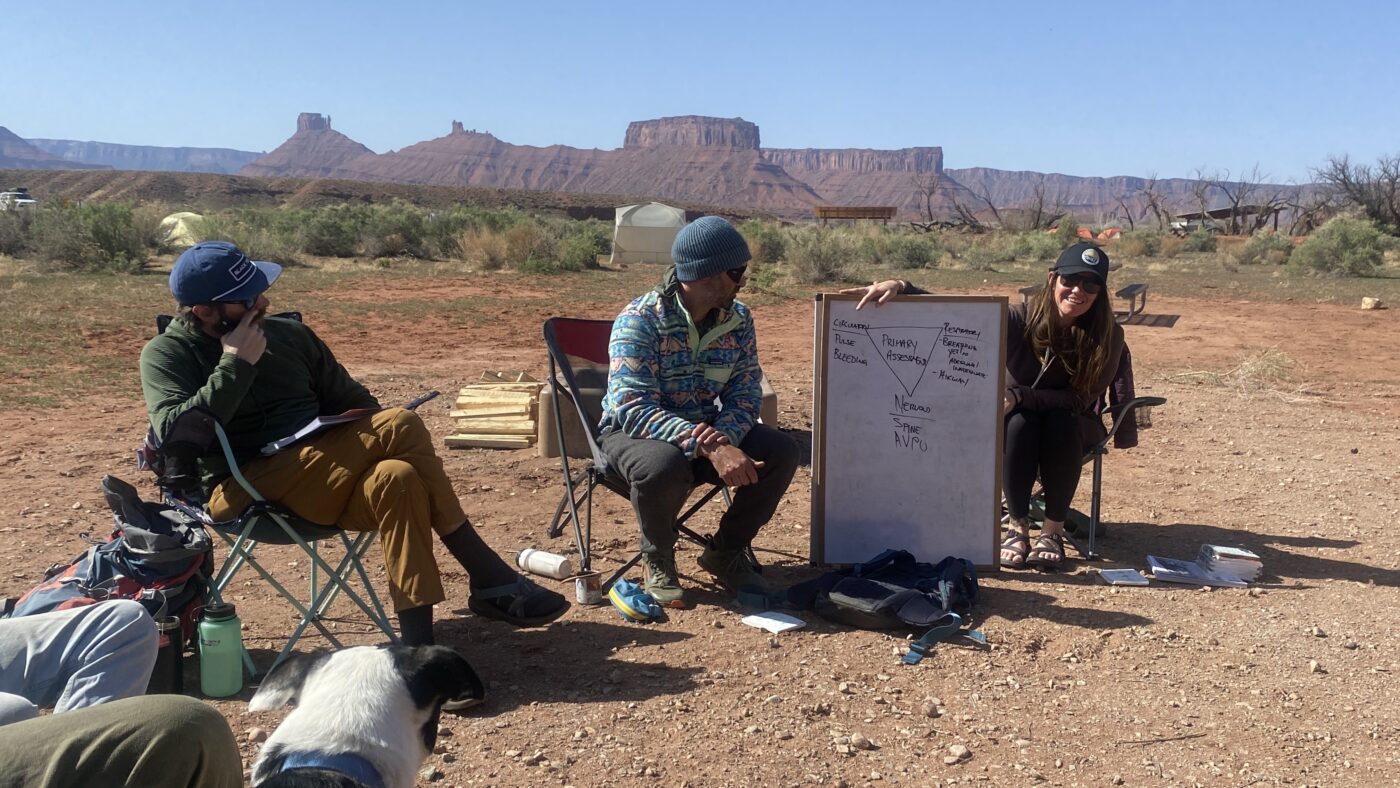
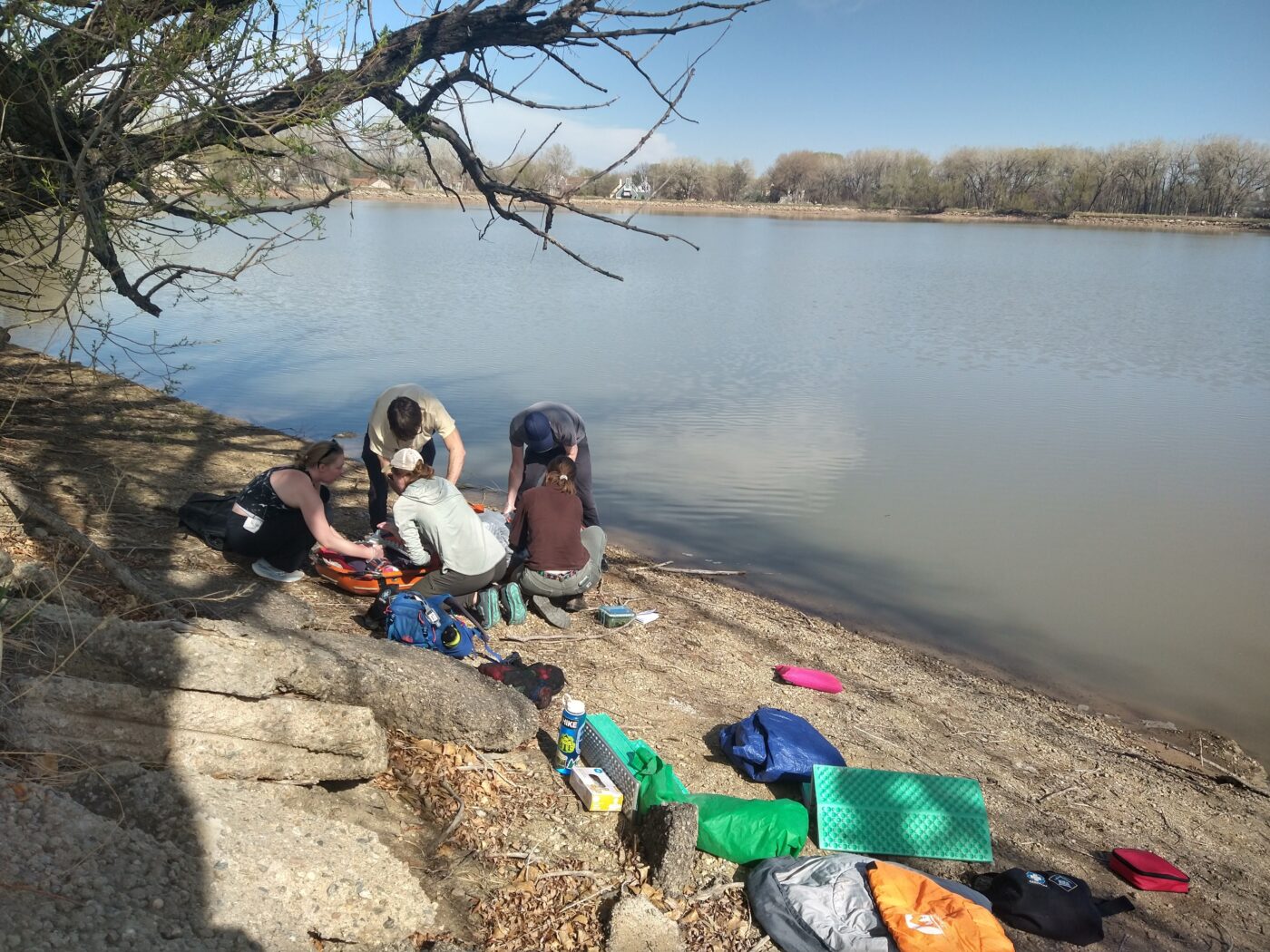
Live from the Wild
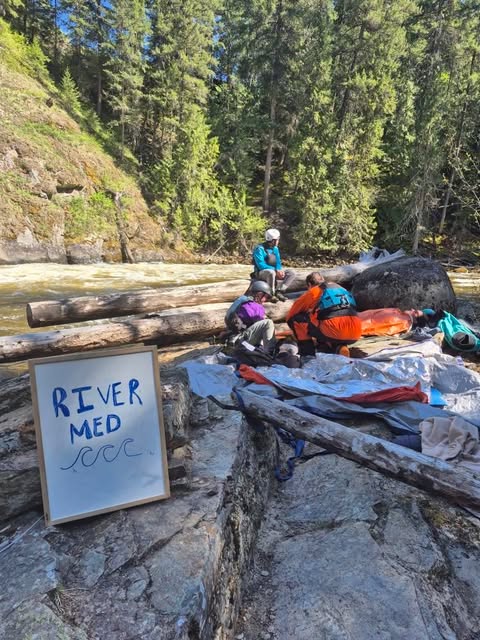
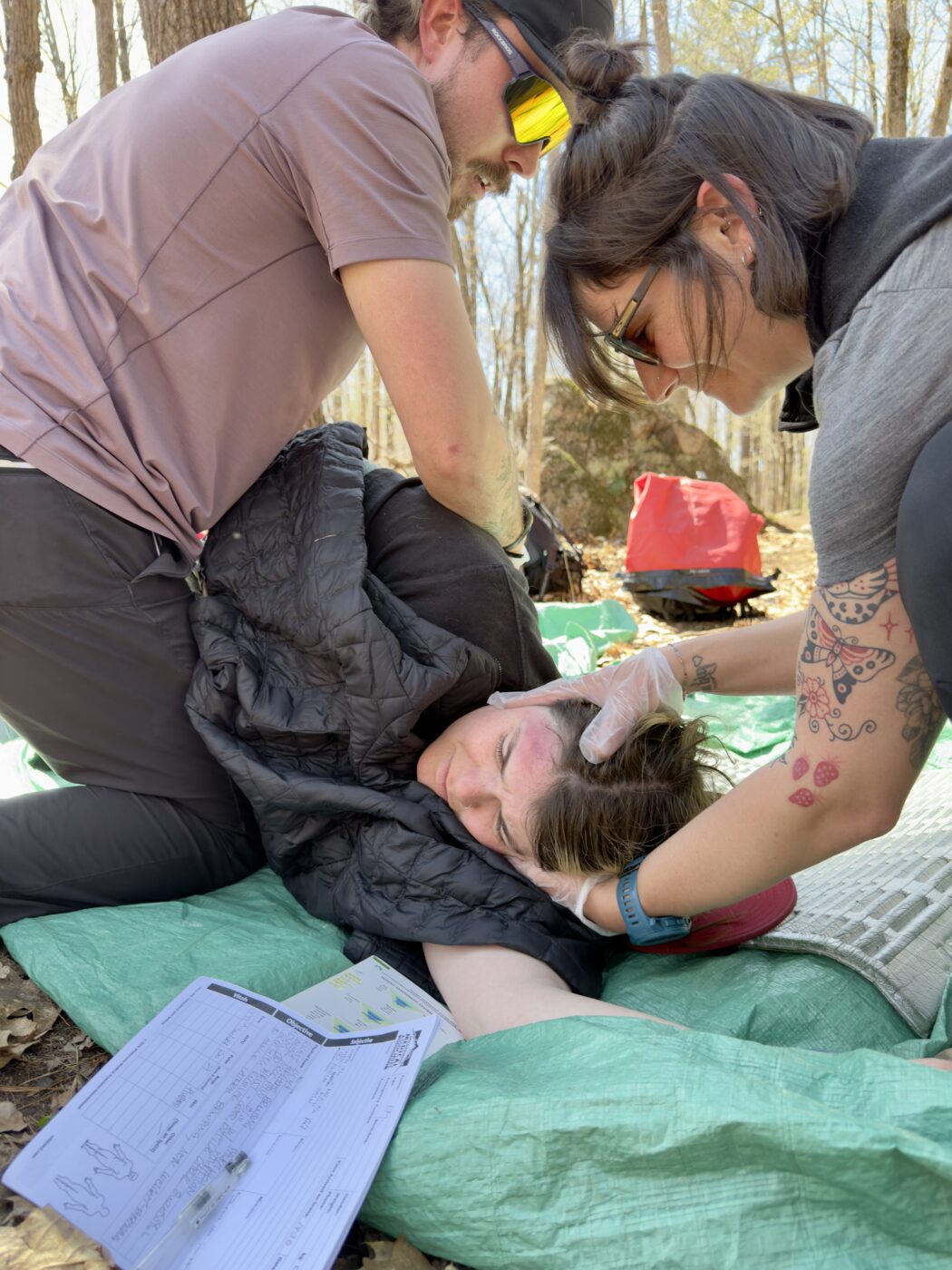
Spotted during recent courses.
NEW CASE STUDY
Canoeing, North Woods Maine Summer 2025
(Case submitted by WMA International Lead Instructor, Eric Duffy)
We offer the following case study to refresh your wilderness medicine skills and consider how risk management influences decision-making. You might find that it’s a great time to review your WMA International textbook to make sure you are ready to Face Any Challenge Anywhere.
SCENE
It is 0700hrs on day 16 of a 21-day canoe trip in the North Maine Woods. Your group is enjoying oatmeal and feeling grateful that the longest portage of the trip was yesterday. Temps overnight were down to 42F/5C, and the group slept well. Today the weather is calm, and you are planning to get started on a 6mi/10km lake crossing before the afternoon winds kick in. As you are working out timelines in your mind, a 17yo male approaches and asks if he could have “some aspirins” because he doesn’t feel well. He reports feeling very achy in his shoulders and hips, much more than what is usual after a long portage. He woke up shivering, but “wicked sweaty.” You decide to ask some more questions.
SUBJECTIVE
SAMPLE
- S: Patient states he feels “achy and crappy” and reports having chills
- A: Tree nuts – generalized hives, last time 4 yrs ago; “maybe amoxicillin too”
- M: diphenhydramine if needed for tree nuts
- P: none
- L: Intake- 3 Pita Pizzas, 11hrs ago, sips of water overnight; Output- normal per patient
- E: Patient’s tent mate reports seeing a rash on patient’s lower back when dressing this morning
OBJECTIVE
VITAL SIGNS
- Pulse: 72
- Respirations: 16 and easy
- Temperature: 100.1 F/37.8 C oral
- Skin: cool, clammy on face; torso feels warm to the touch
- AVPU: alert, oriented, abnormally subdued
PHYSICAL EXAM
Shoulders and hips show achiness with movement;
Denies pain or tenderness in the adjacent muscles, but reports feeling “kinda weak” in those areas; isolates the pain to the joint capsules, sharper with movement and lifting, but otherwise nontender.
Area of erythema (very warm, reddened) ~ 2”x2”/5cmx5cm on the lower right back, about 2”/5cm above his beltline; in the center is a distinct area ⅛”/3mm across where the skin is disrupted; there is a black speck in the center; patient reports having felt itchy and sore there after the first portage (day 4 of the trip); he has been ‘scratching the scab’ for the past two days as it got a lot more sore.
LOGISTICS
Communications back to base are limited to a cell phone. The group can connect by text most of the time, but this is primarily for ‘all good check in’ messages. To make a call, being on a peak is needed for enough signal.
EVACUATION OPTIONS
Option A: Complete the next 4 days of the trip as planned which allows all students and instructors to participate in the best whitewater section (the trip highlight). At the end of day 19, the student will be picked up on a logging road (the next logging road access) and driven to a clinic 15 miles / 24 km away. The student can get recommended tests and begin recommended treatment(s) and then meet the group on day 21 at the final take-out to celebrate the conclusion of the trip.
Option B: Send patient with an instructor and his tentmate back down the same trail you took yesterday; it is a 2.5mi/4km hike out to a logging road; walk uphill on the logging road till receiving a cell signal to call base; support staff would be activated for a pick-up of participant in 6-8hrs; then drive 2hrs out to a walk-in clinic where, after sleeping in the van, they would be seen on the morning of day 17 (tomorrow morning).
REVIEW
What do you think? Is this serious or not serious? What else would you like to assess? Drop your thoughts in the comments section of this Case Study on our Facebook or Instagram. Stay tuned on those platforms for an assessment and follow-up discussion next week!
Send us photos from your course!
We’d love to see the behind-the-scenes of your experience.
