Face Any Challenge This Fall
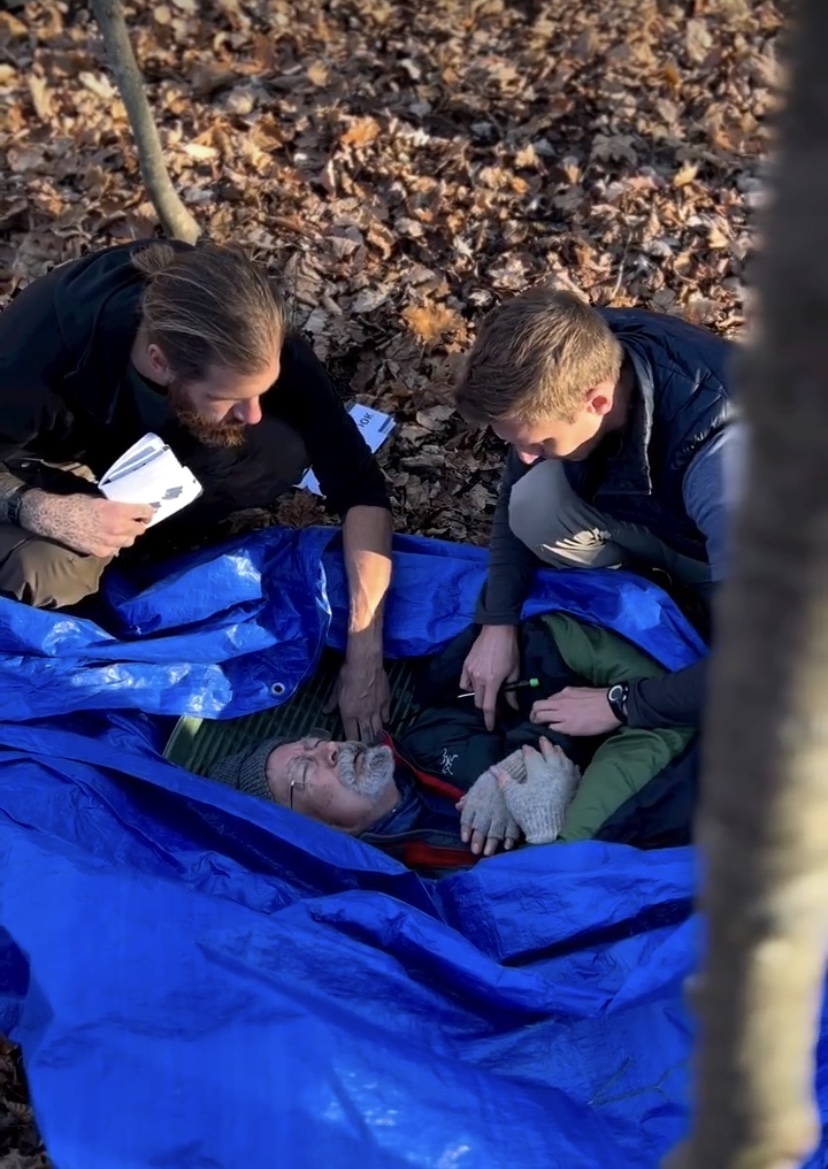
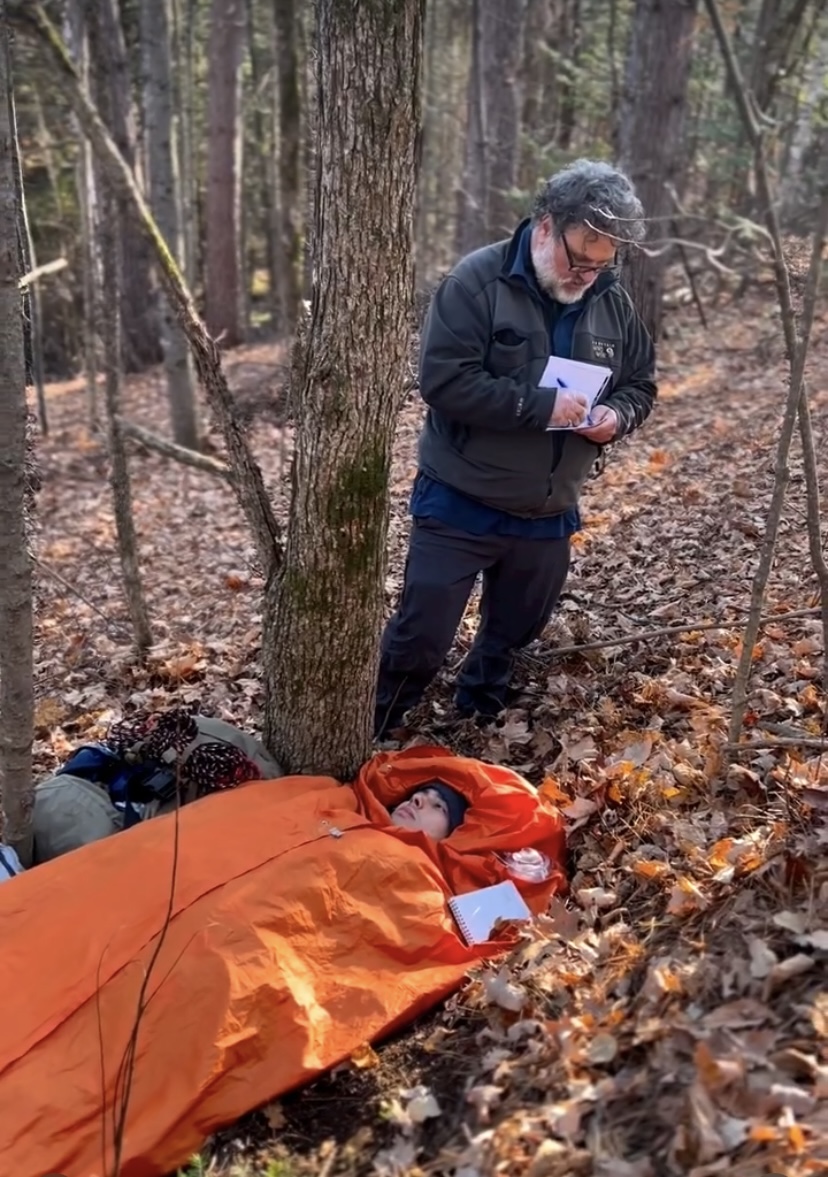
As the seasons shift and new adventures await, it’s the perfect time to sharpen your wilderness medical skills! Photo credits to Boreal River Rescue!
In this edition, we spotlight how WMA certifications can enhance your career, explore new industry practices, and discuss course offerings tailored to fit your learning style. Plus, get inspired by Dr. Laura Helfman’s journey as a WMA instructor and emergency physician. Let’s Face Any Challenge Anywhere, together!
INDUSTRY NEWS
From The Medical Director’s Desk
Considerations for Epinephrine Autoinjectors, Manual Injection, and the Treatment of Anaphylaxis
Allergies and anaphylactic reactions are a serious problem for many people around the world. Prompt recognition and treatment for anaphylaxis is covered in all Wilderness Medical Associates (WMA) International courses, including emphasis on our care protocol.
Occasionally, epinephrine autoinjectors do not administer the medication appropriately based on variations in human morphology, clothing, or the design of the auto-injector itself.
We have a prepared a short document that addresses best practices for administration of epinephrine via auto-injector as well as ongoing treatment for anaphylaxis. We also recommend needle length and injection sites for administration of epinephrine via manual draw (syringe).
INSTRUCTOR CONTRIBUTION
A Guide to Jobs in Wilderness Medicine
By Natalie Brechtel
Wilderness medicine certifications, such as Wilderness First Aid (WFA) and Wilderness First Responder (WFR), can open the door to a wide array of job opportunities in outdoor education, guiding, ski patrol, field research, and even disaster relief. Whether you’re leading expedition trips, working in national parks, or performing trail maintenance, these certifications provide essential skills for managing medical emergencies in remote settings.
Natalie Brechtel’s full piece, Scoring a Wilderness Medicine Job, offers detailed insights into how these certifications can enhance your outdoor career prospects.
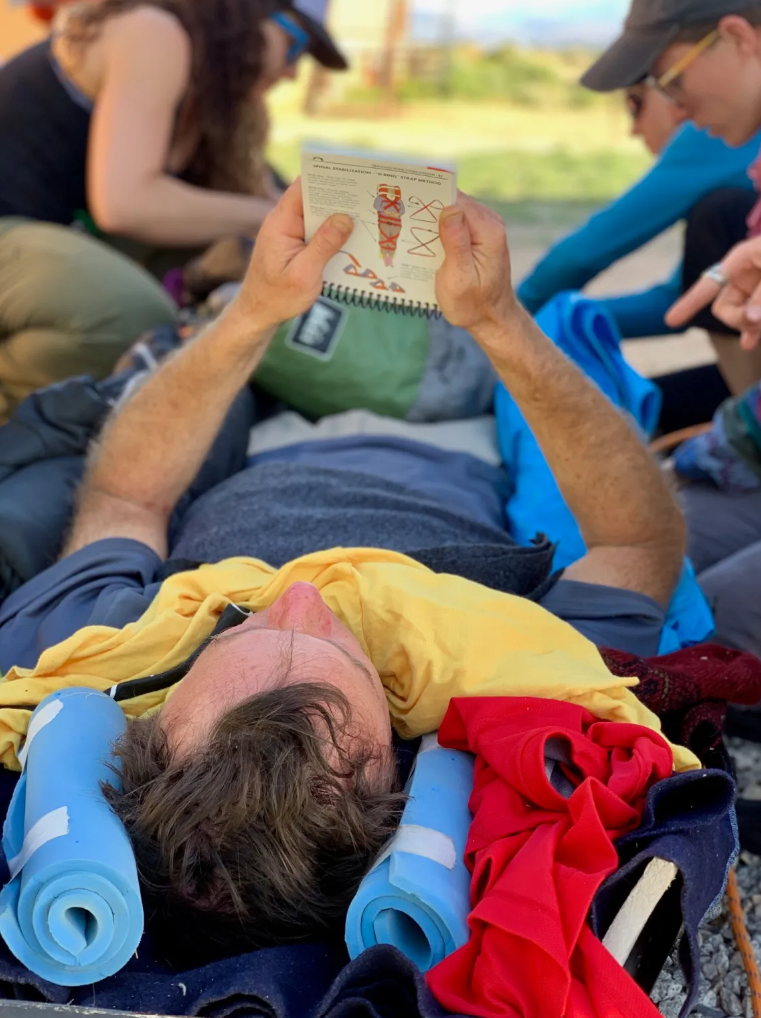
Since 2011, Natalie has worked and contributed to the medical auxiliary & SAR team for US Antarctic Field Stations, where she specialized in supporting scientists on the sea ice. She is a life-long outdoor enthusiast, WMA International Instructor, and owner of Gut-Z Journey – building confidence in the outdoors through wilderness medicine, strength training, and functional nutrition.
INSTRUCTOR SPOTLIGHT
Meet Laura Helfman
Asheville, NC
“Every time I interact with someone—whether they are patients, students, or a river guest—I gain something from the interaction. These are all meaningful connections. When you are teaching, you are always learning,” says Dr. Laura Helfman, a dedicated WMA instructor and emergency medicine physician based in Asheville, North Carolina.
Laura’s journey into wilderness medicine began with a love for math and science, leading her to explore the natural world and pursue a career in medicine. After attending Barnard College at Columbia University, she chose emergency medicine as a path that combined her medical expertise with her passion for outdoor adventure. Her connection to the outdoors deepened when she discovered the Nantahala Outdoor Center in North Carolina, where she trained as a whitewater river guide and met her first WMA mentors.
As an instructor, Laura emphasizes the importance of staying calm and having a structured approach to medical emergencies. “I teach my students to be calm and have a structured way of dealing with medical emergencies, so they can perform solid assessments, make sound decisions, and produce a successful result,” she explains. Laura believes that an inquisitive mind and the willingness to trust one’s knowledge are key to being a successful wilderness medical professional.
To learn more about Laura’s inspiring journey and her insights into wilderness medicine, read the full spotlight on our website.

COURSE SPOTLIGHT
Comparing Wilderness First Responder (WFR) Options
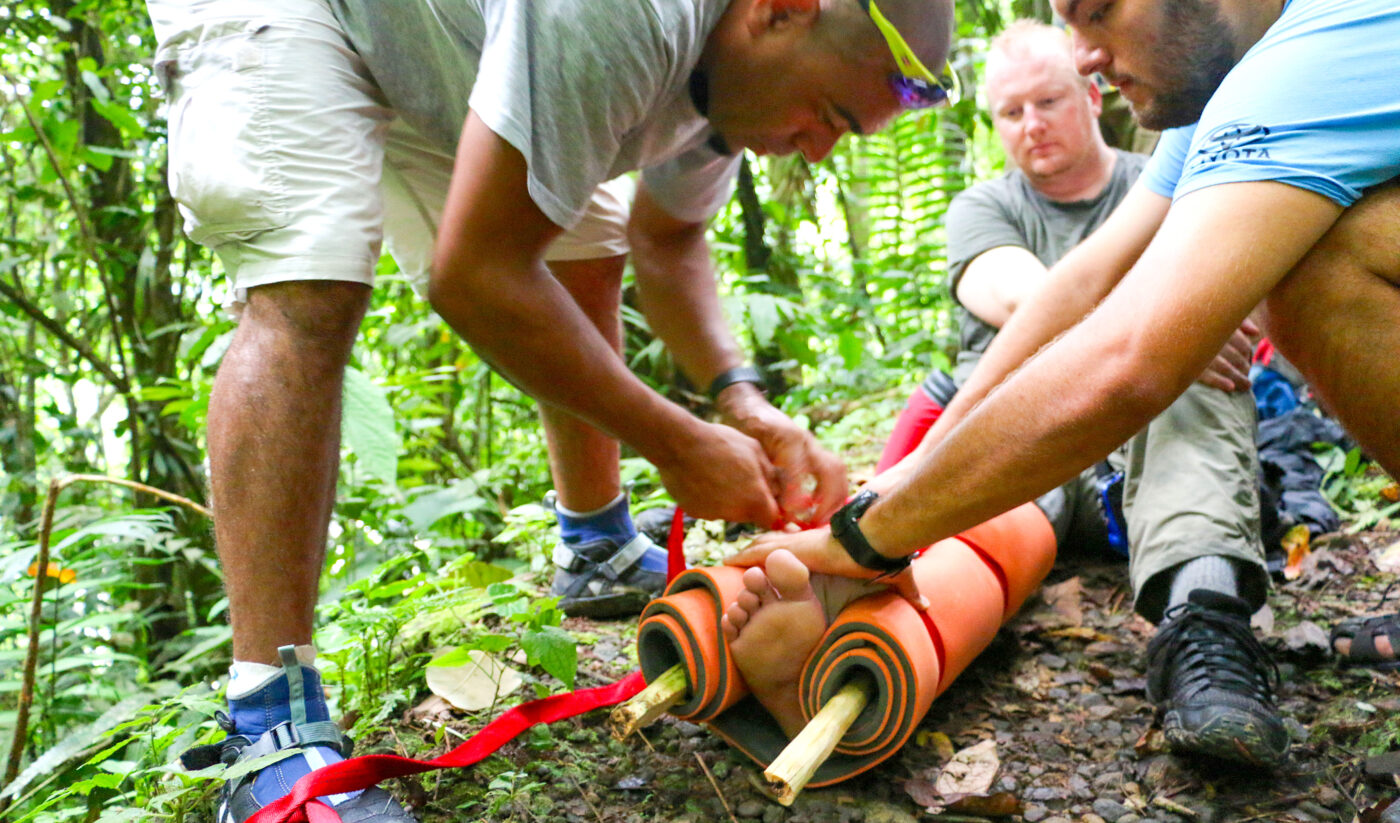
Are you or someone you know ready to take their skills to the next level? WMA International’s Wilderness First Responder (WFR) courses are the industry standard in wilderness medicine. Choose from three dynamic options tailored to fit your schedule and learning style:
The traditional 7, 8, or 9-day Wilderness First Responder course is where you’ll immerse yourself in 70 to 80 hours of hands-on training, perfect for those who thrive on in-person instruction.
Short on time and interested in a self-paced foundation in the course content? Choose one of WMA International’s short-format Wilderness First Responder courses:
The Hybrid WFR course combines 30+ hours of engaging e-learning with 45+ hours of in-person instruction.
The 5-Day WFR option packs 30+ hours of pre-course work via textbook review and the completion of a study guide and 45+ hours of in-person instruction.
All courses emphasize critical thinking, wilderness medicine skills, patient assessment, and emergency care in remote environments. Earn your WFR and CPR certifications, valid for three years, and prepare to handle any wilderness emergency with confidence.
Interested in learning more? Head to WMA International’s website to learn more about these or any of our course offerings.
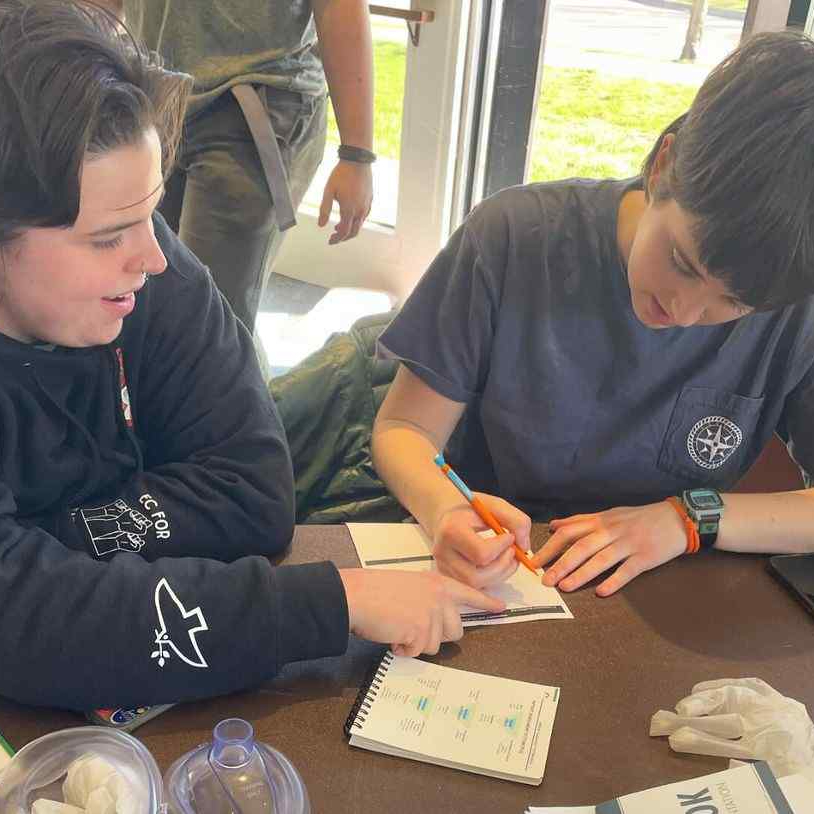
Live from the Wild
The latest shares from WMA International students and instructors!
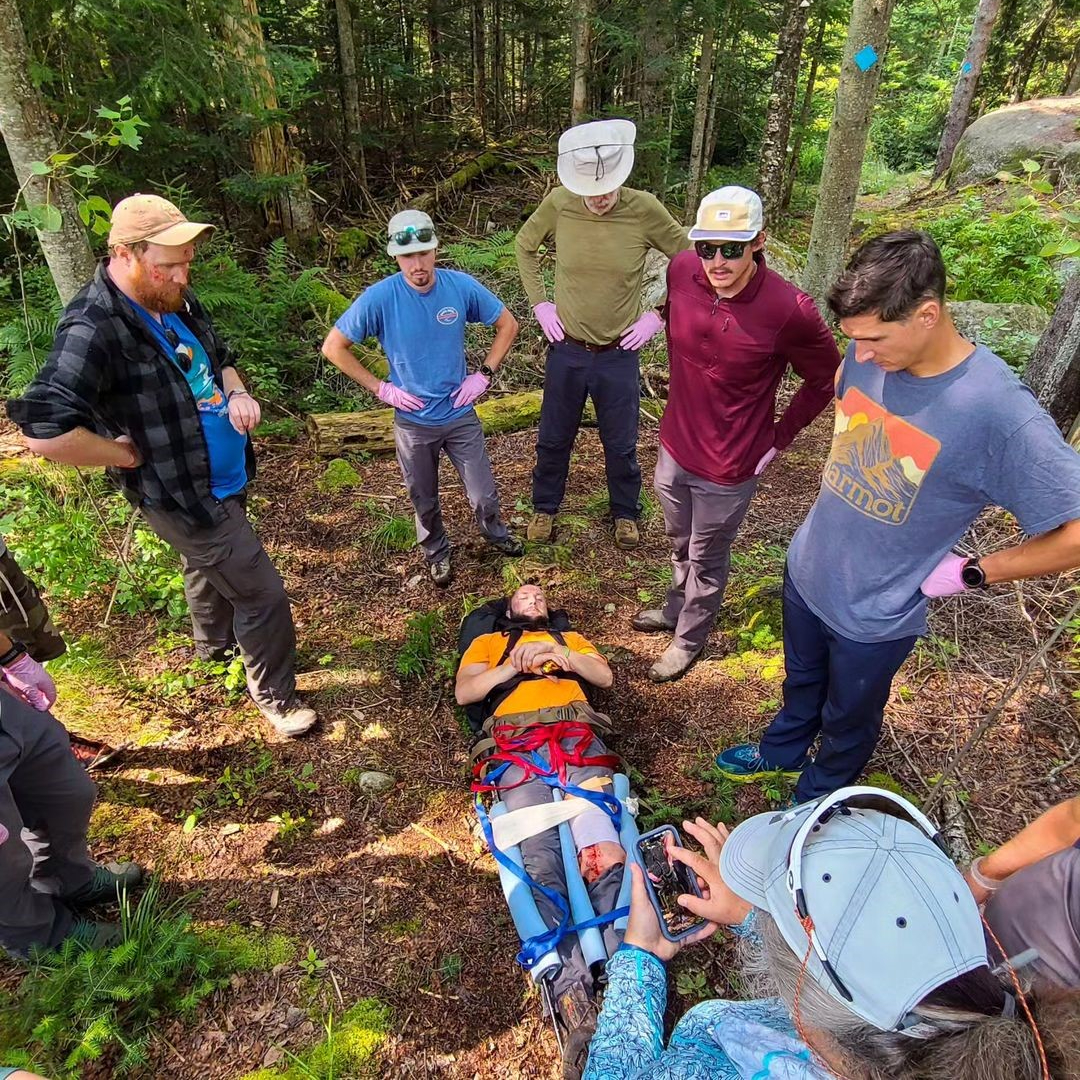
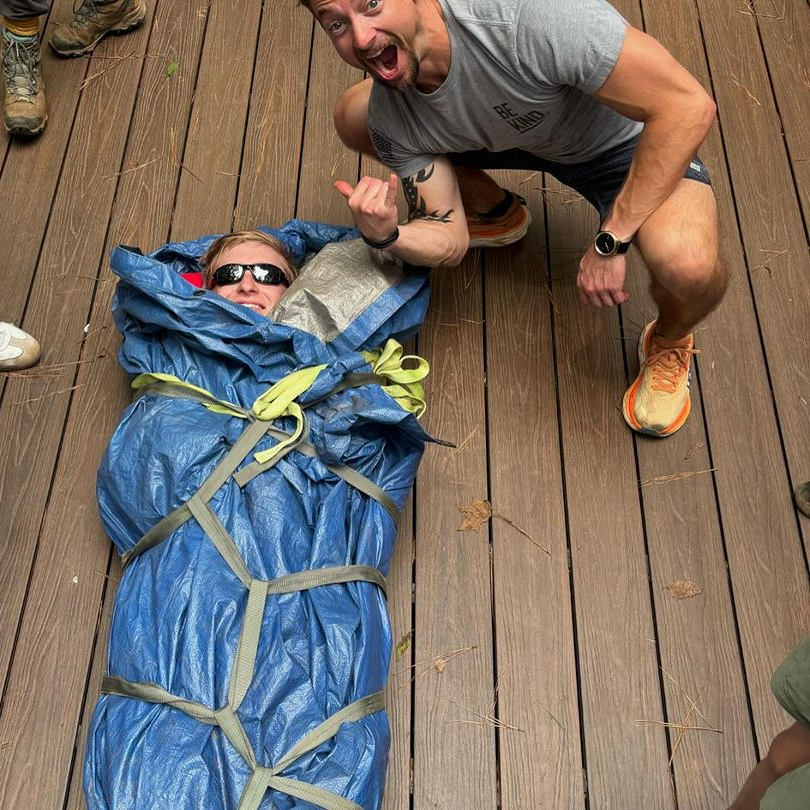
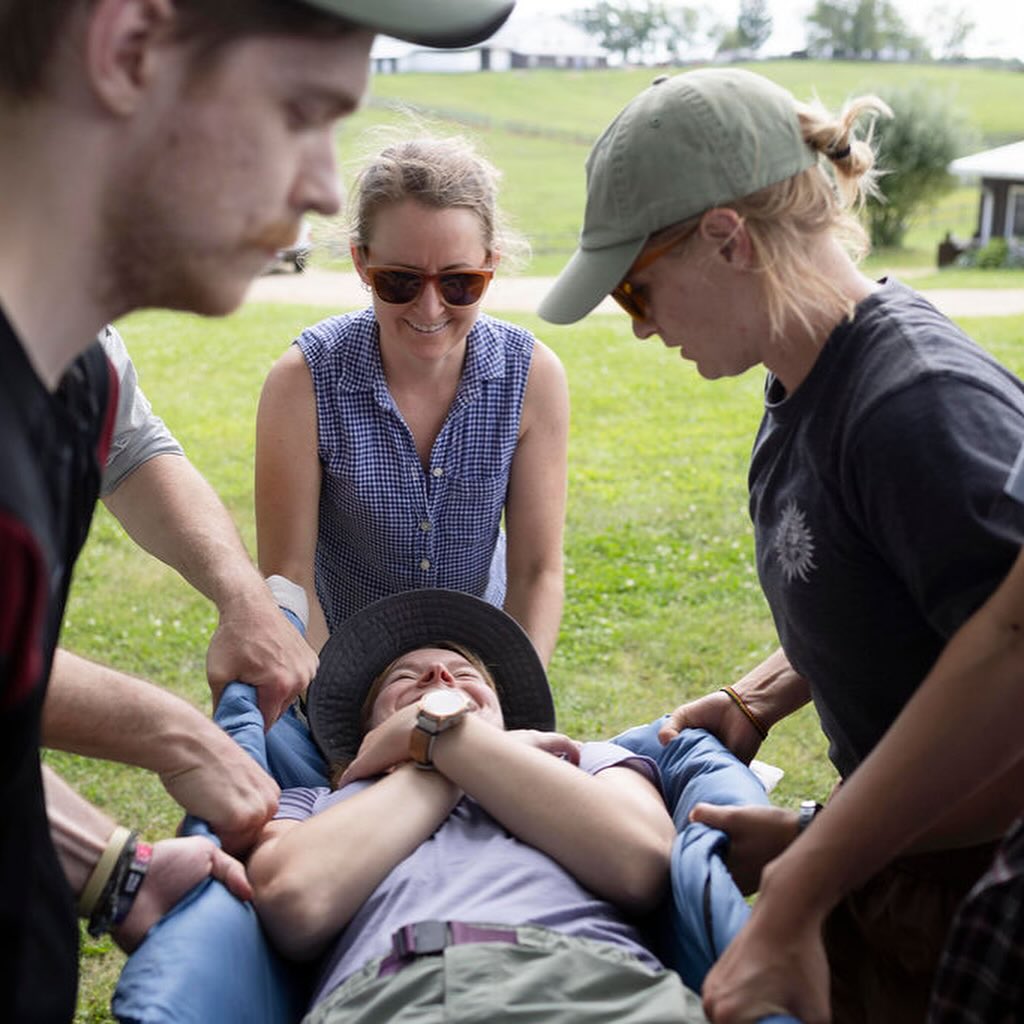
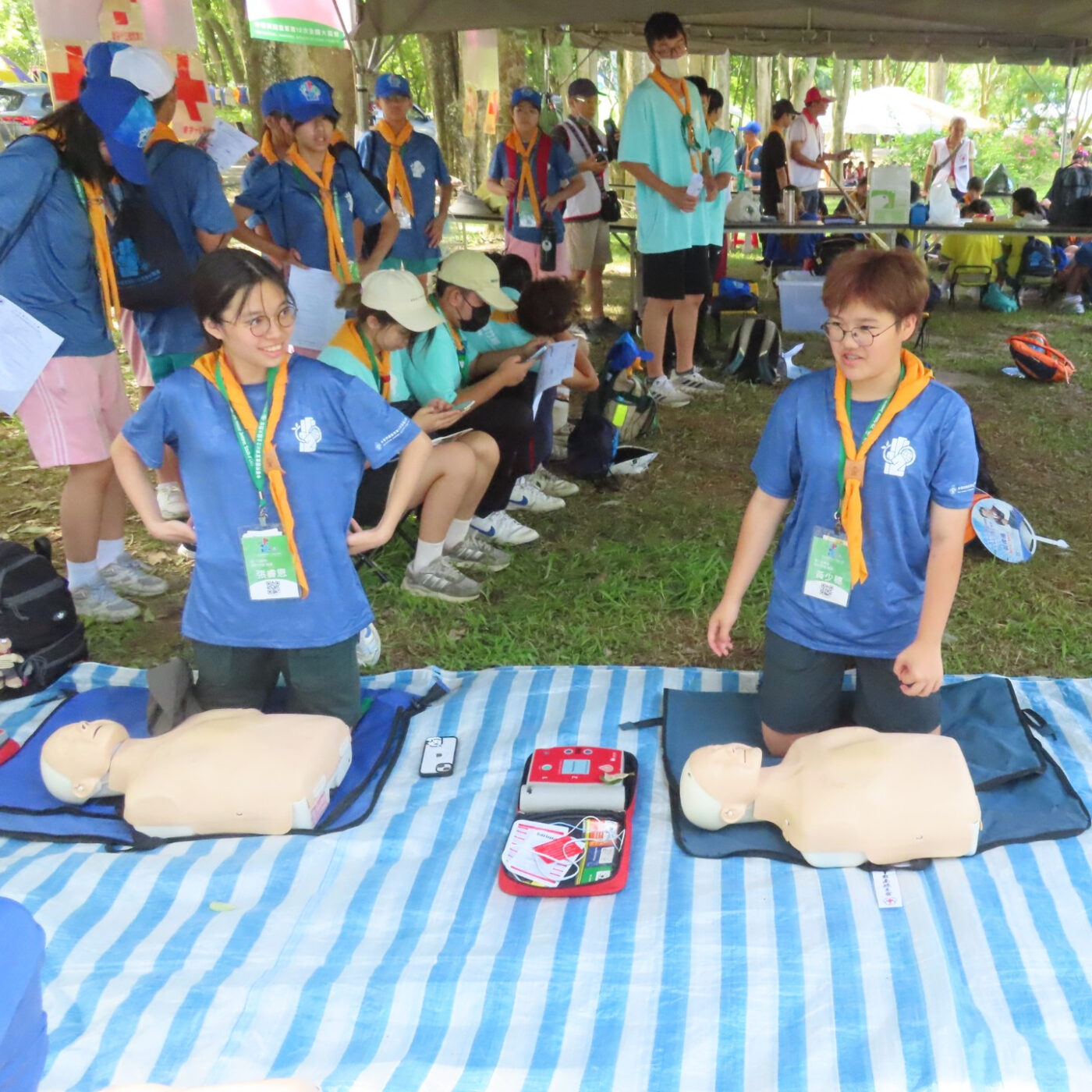
Send us photos from your course!
We’d love to see the behind-the-scenes of your experience.
