Start the Year Ready to Face Any Challenge, Anywhere
Happy New Year from all of us at Wilderness Medical Associates! A new year is the perfect time to reset, refocus, and sharpen your wilderness medicine skills. In this issue, explore a featured course type, get to know one of our instructors, enjoy “Live from the Wild” photos shared by our community, and revisit last month’s case study as it continues to unfold.
Course Highlight
WFR Recertification in Colorado
Calling all Colorado WFRs! Is your WFR Certification about to expire? This spring, we’ve got a handful of WFR Recertification courses across Colorado, each offering hands-on refreshers, expert instruction, and easy access to some of the best outdoor recreation in the country.
These courses are designed to help you sharpen your skills, reconnect with best practices, and stay current.
WFR Recertification:
- Buena Vista | February 20–22, 2026 | Facilitated by: Colorado Outside
- Boulder | March 20–22, 2026 | Facilitated by: Global Emergency Medics
Hybrid WFR Recertification:
- Poncha Springs | April 4–5, 2026 | Facilitated by: Foxfire Wilderness
- Durango | April 11–12, 2026 | Facilitated by: Wilderness Medic
Whether you’re skiing, climbing, paddling, or hiking between class sessions, these Colorado-based courses make it easy to combine professional development with time outdoors.
Verify your eligibility and register early, spring courses fill quickly!
Instructor Spotlight
Meet Eli LaMouria!
Eli began guiding in 2003, launching a career that has taken her through Northern California and across the U.S., leading whitewater trips, canyon adventures, climbing, and extended backpacking expeditions. Her path with WMA began on a course taught by Abby Rowe and Alice Henshaw. Seeing two “super strong, confident powerhouse women” teaching wilderness medicine made a profound impression. “I was blown away by
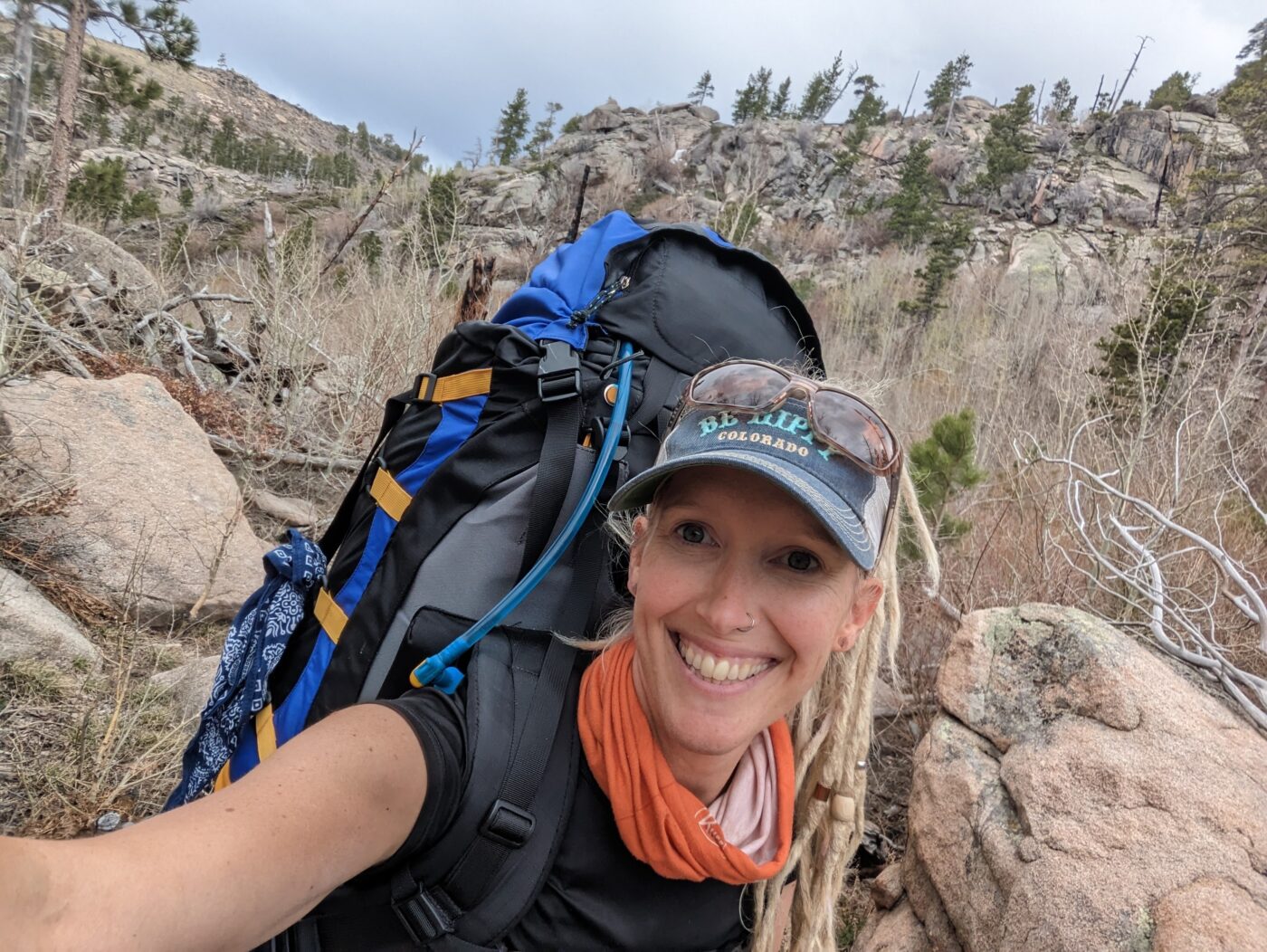
them, and by the quality of the curriculum,” she recalls. “That’s why I decided this is the company I have to work for.” Today, that same sense of inspiration and empowerment is something she strives to pass on to her own students.
Eli now runs her own adventure company, Turn Left Adventures, a WMA licensed training company, focusing on introducing beginners to the great outdoors. From backpacking fundamentals to backcountry etiquette and wilderness medicine, she loves helping people take their first steps into remote places with confidence.
For Eli, teaching wilderness medicine is deeply fulfilling work that allows her to immerse herself in something she’s passionate about while helping others discover their own capability. She brings years of guiding and EMS experience into the WMA courses she offers, giving students real-world insight into what medical problems can feel, sound, and look like in the field.
Live from the Wild
The latest shares from WMA International students & instructors!


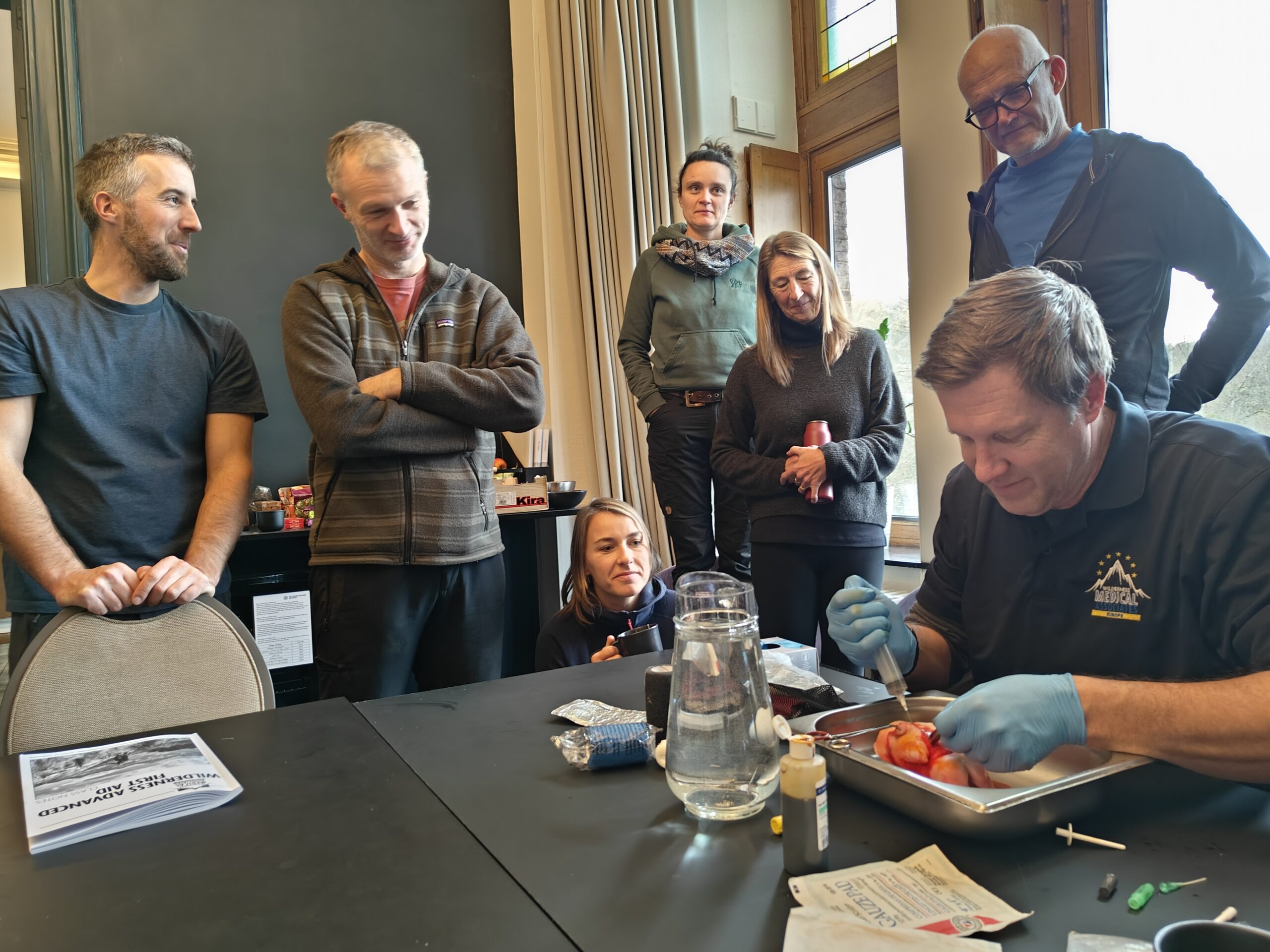
Search and Rescue Team member form Sauvetage Bénévole Outaouais – Ottawa Volunteer SAR getting their Wilderness First Aid Certification. Course facilitated by Boreal River Rescue and hosted at Centre Vorlage.
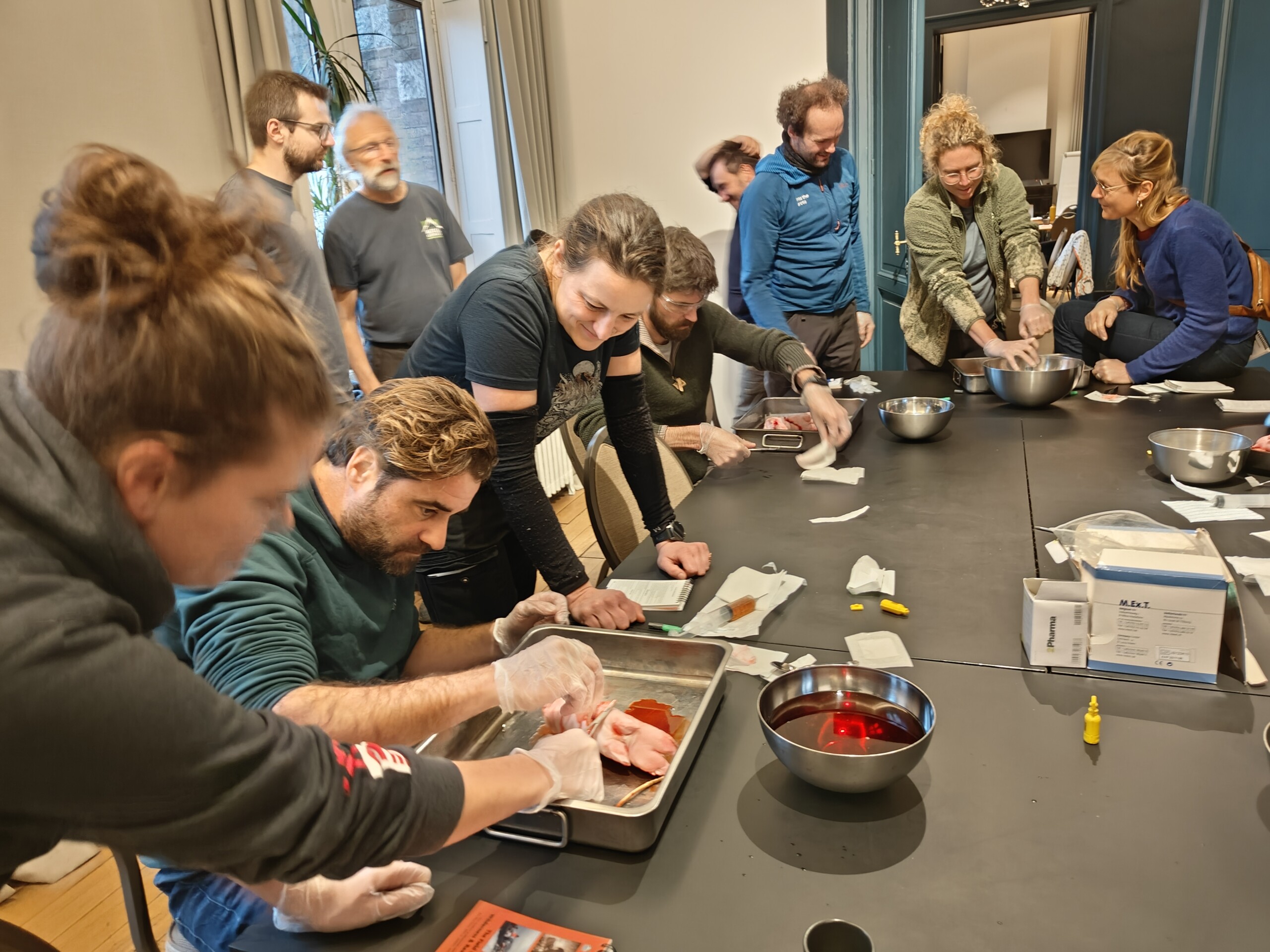
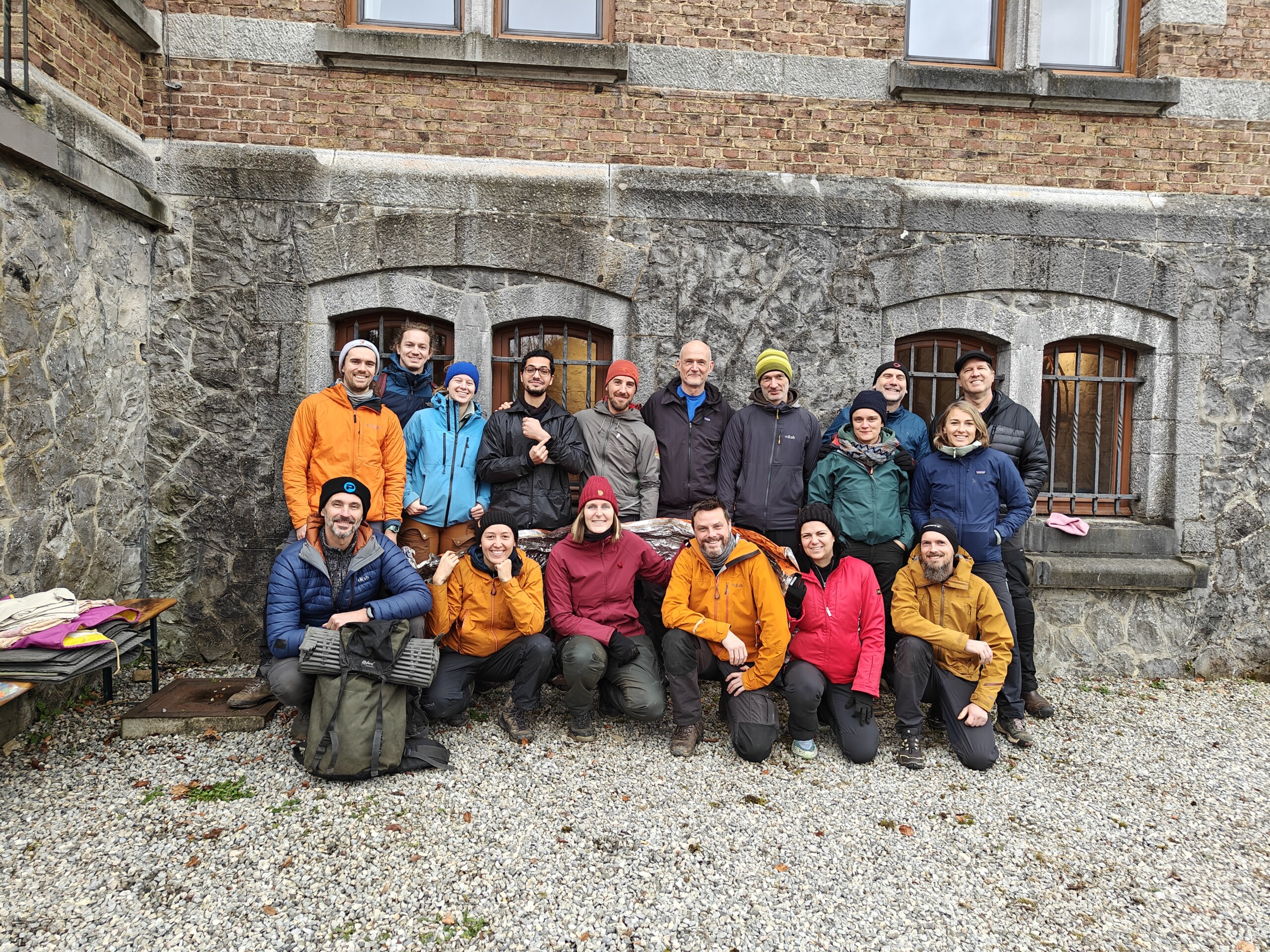
Photos taken by Janne Vanhemmens during Bridge (WAFA to WFR) course facilitated by JH Training & Consulting and hosted at Outward Bound Belgium. Instructed by Erik Forsythe and Arne Van Brabant.
Case Study
Winter Solstice Skier Case Study Part 2
We rejoin the group who is actively rewarming a fellow skier in a backcountry hut in Alberta. Dara was found mumbling, shivering, and unable to continue skiing on her own. You can review the details of the case here, including SAMPLE history and a review of the STOPEATS that might be contributing to the situation.
Someone just handed you a satellite device and asked if you wanted to use it to call for help. To organize your thoughts, you make an assessment list:

You agree to message for help. Even if Dara improves with rewarming and sweet cider, you are still concerned about her frostbitten fingers. You recall that early clinical treatment, including some IV medications, give partial thickness frostbite the best chance for saving tissue. You also realize that some passive rewarming will likely begin soon, and the tissue cannot be allowed to refreeze for best chance at good outcomes. You use the satellite device to text the preprogrammed emergency contact for local SAR:
You start with: We are requesting help. You type the hut name and GPS coordinates, and then go on to say:
We have a 52-year-old patient with mild hypothermia and partial thickness frostbite on all fingers. Pt is awake but mumbling and cannot ski. I have wilderness medical training. We are rewarming her in the hut and she is able to take sips of fluids. I am concerned about her mental status if it doesn’t improve, and the frostbite. What options are available?
You know these messages will take some time to go back and forth. Dara’s mumbling and shivering are improving, so you review the BE FAST stroke assessment.
Balance – acute loss of balance or coordination?
Eyes – new changes like blurred, double, or loss of vision?
Face – equal grimace and eyebrow raise?
Arm – drift or weakness?
Speech – normal or slurring/ inappropriate words?
Time – onset of symptoms or time last seen normal?
About 20 minutes later, you receive a text reply that SAR can bring a sled to your location in less than 2 hours and will text you with updates.
Dara is now coherent, no longer shivering, and the BE FAST exam was able to be performed. You are reassured that she is not experiencing a stroke. However, her fingers are extremely painful and starting to develop blisters. You discuss the situation with Dara, including your concern about early treatment for her frostbite, and she agrees to a sled evacuation.
While waiting for SAR, you check in with Dara and confirm her SAMPLE history, which was consistent with what you learned earlier. You invite her to take ibuprofen for her frostbite pain and offer to help her with bandaging her fingers. Dara gratefully accepts. You place nonstick gauze between her fingers and do some loose wraps around each finger. Someone found mittens for Dara’s ride out. You find a SOAP note and start filling it out to give to SAR when they arrive…
What do you think? What else do you need to anticipate and prepare before her rescue out of the field? Drop your thoughts in the comments section of this Case Study on our Facebook or Instagram.
Send us photos from your course!
We’d love to see the behind-the-scenes of your experience.
